
SDG 5 Universitas Jember 2025
Universitas Jember’s 2025 SDG 5 report covers women’s admissions and graduation data, the Centre for Gender Studies’ programmes, protection against violence and discrimination, campus daycare, mentoring, and maternity and paternity leave.
5.3.1 Tracking Female Applications

Jember University (UNEJ) manages its student admission process through several pathways, including the National Selection Based on Achievement (SNBP), the National Selection Based on Test (SNBT), independent admission, professional programs, postgraduate programs, and Recognition of Prior Learning (RPL). Through these admission processes, the university records student admission information according to gender, academic level, and admission pathway.
Based on UNEJ's 2025 New Student Admission (MABA 2025) records, the university recorded 13,654 new student entries, consisting of 9,966 female students and 3,688 male students. Female students accounted for approximately 72.99% of the recorded intake, demonstrating substantial women's participation in UNEJ's new student admissions.
The gender-disaggregated records cover multiple admission pathways. These include 2,136 female students through SNBP, 2,399 through SNBT, and 1,403 through independent admission. The records also include female students enrolled in professional programs, postgraduate education, and Recognition of Prior Learning pathways.
By maintaining admission records classified by gender and admission pathway, UNEJ has an administrative basis for monitoring women's participation in higher education. This information can support institutional analysis of gender representation across academic levels and admission routes, as well as inform future admission planning and inclusive recruitment strategies. The recorded 9,966 female students provide evidence of women's representation in the 2025 student intake, demonstrating that UNEJ systematically tracks women's participation from the point of admission.
References
Jember University. (2025).New Student Admission Records (MABA 2025): Student Distribution by Admission Pathway, Academic Level, and Gender.Institutional admission data provided by UNEJ.
5.3.2 Policies on Access and Participation for Women
Jember University (UNEJ) demonstrates its commitment to gender equality and women's participation through institutional initiatives coordinated by its Center for Gender Studies (Pusat Studi Gender/PSG). These initiatives focus on strengthening women's participation in decision-making, promoting equal opportunities, developing gender awareness, and preventing violence against women. Through education, public engagement, institutional collaboration, and academic activities, UNEJ contributes to creating a more inclusive environment for women within the university and the wider community.
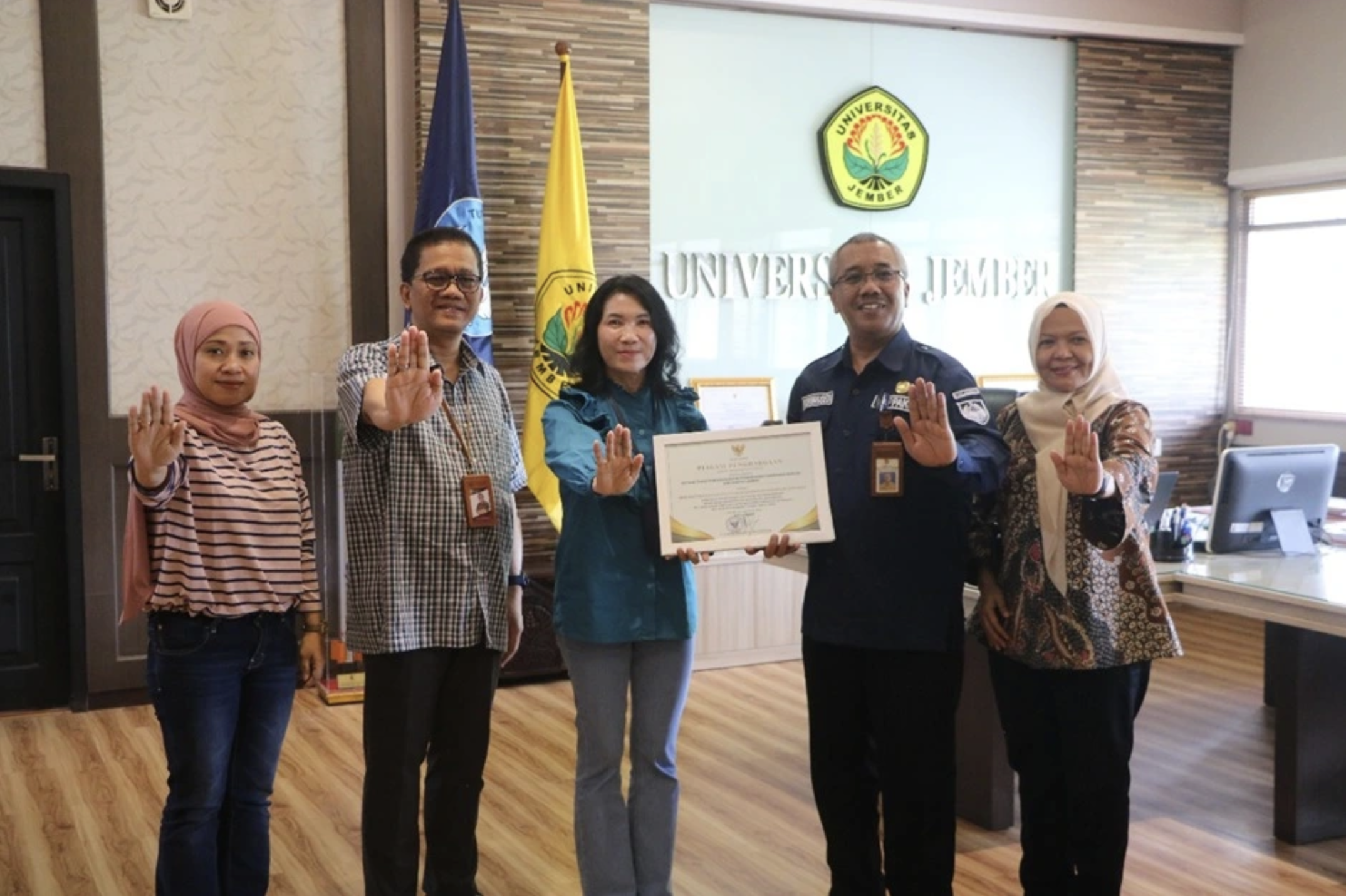
One example of UNEJ's institutional commitment was its recognition by the Jember Regency Government on 10 January 2025 for its contribution to preventing violence against women and children. The award was received by the Head of UNEJ's Center for Gender Studies and the Head of the university's Task Force for the Prevention and Handling of Sexual Violence (Satgas PPKS). This recognition reflects UNEJ's involvement in collaborating with local government to promote women's protection and strengthen efforts to prevent and address gender-based violence.
Official reference: UNEJ Receives Award for Supporting the Prevention of Violence Against Women and Children – 10 January 2025.
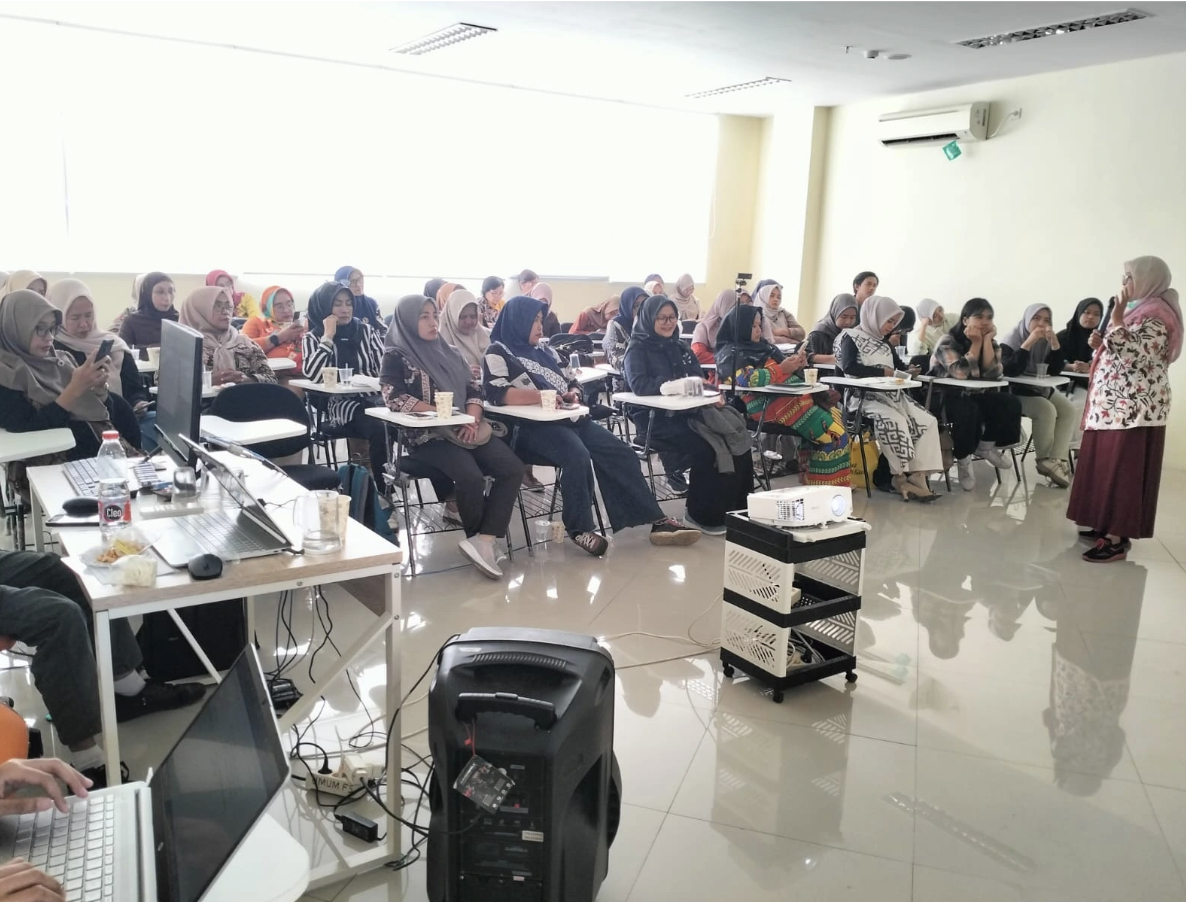
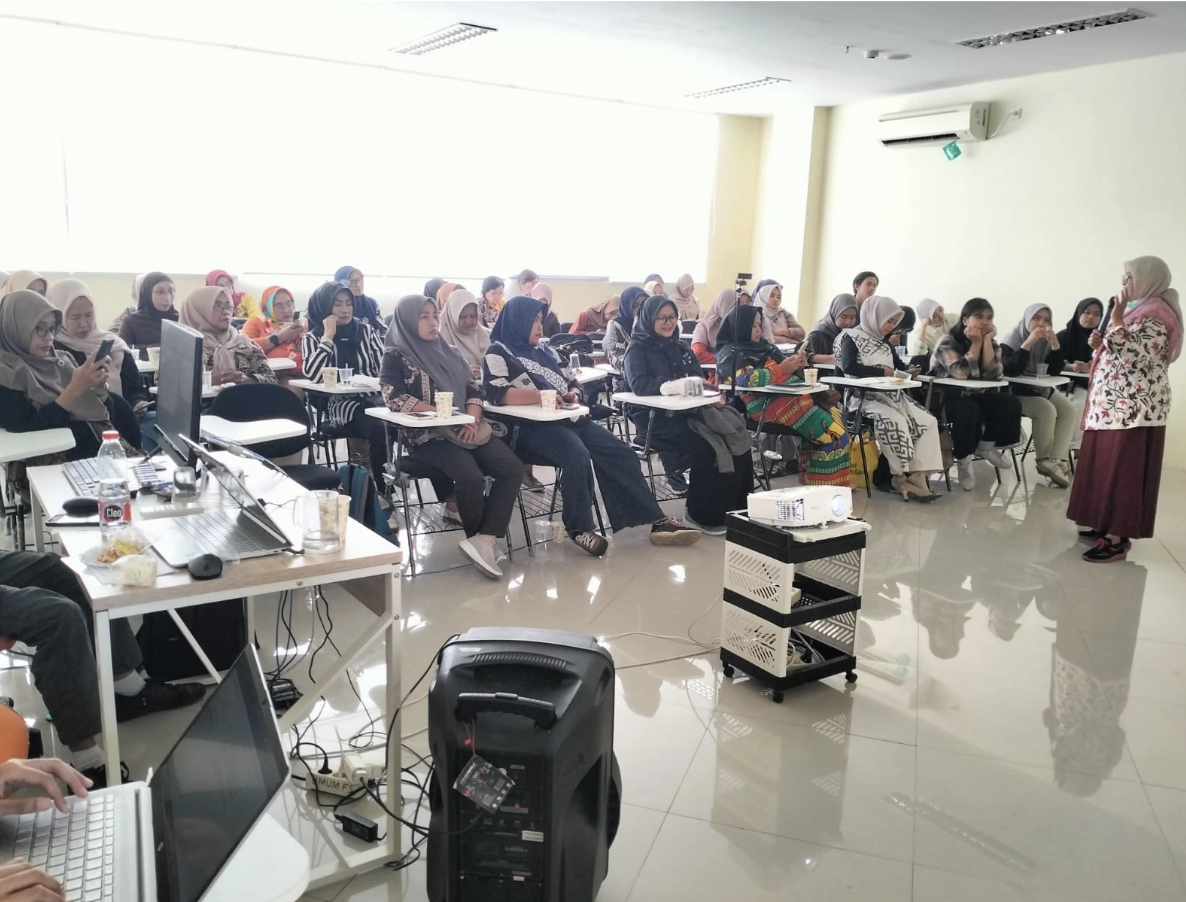
UNEJ also promotes women's participation in leadership and public decision-making through the Women's Political School, organized by PSG UNEJ on 21–22 June 2025. The program brought together women from village government institutions, the Family Welfare Movement (PKK), women's farming groups, community organizations, and other local networks.
The program aims to strengthen women's political participation at various levels, ranging from village and sub-district governance to district and national decision-making. Through this initiative, UNEJ provided a learning and discussion platform for women to develop their understanding of political participation, representation, and leadership. The program demonstrates the university's efforts to empower women to take more active roles in public affairs and community development.
Official reference: Increasing Women's Political Participation Through Women's Political School – 21 June 2025.
In the academic sector, UNEJ further strengthened gender equality discourse by organizing the 2nd International Conference of Gender and Feminism (ICOGEF) on 27–28 September 2025. Organized by PSG UNEJ under the theme "Feminist Perspectives for Humanity and Civilization," the international conference brought together 78 presenters from 27 universities and institutions. The event provided an academic platform for exchanging research, perspectives, and ideas concerning gender, feminism, humanity, and social development. This initiative reflects UNEJ's contribution to promoting gender perspectives through academic research, international collaboration, and knowledge exchange.
Official reference: 2nd ICOGEF 2025: Feminist Perspectives for Humanity and Civilization – 27 September 2025.
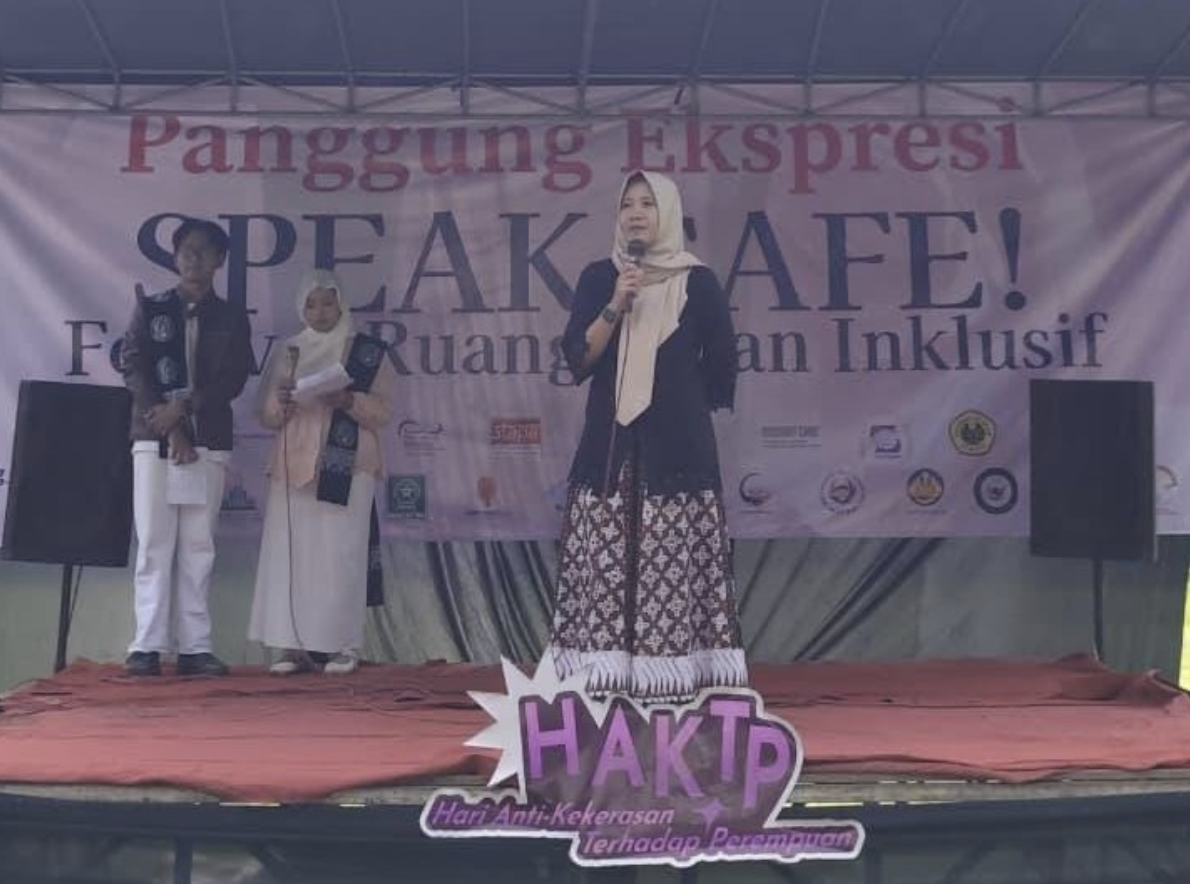
Furthermore, UNEJ strengthened its efforts to create a safer and more inclusive environment through the SPEAK SAFE! Festival, organized by PSG UNEJ in collaboration with 23 non-governmental organizations across Jember Regency on 7 December 2025. Conducted as part of the global 16 Days of Activism Against Gender-Based Violence campaign, the event provided a public platform for students, community groups, former migrant workers, women-led micro and small enterprises, and members of the wider community to express their opposition to violence against women.
Through artistic performances, poetry, music, murals, and collective activities, the festival encouraged public awareness, solidarity, and participation in preventing gender-based violence. The involvement of multiple civil society organizations also demonstrated UNEJ's commitment to working with external stakeholders to strengthen women's protection and promote inclusive public spaces.
Official reference: SPEAK SAFE! Festival: Thousands of Voices Unite Against Violence Against Women – 7 December 2025.
Overall, UNEJ's initiatives throughout 2025 demonstrate its efforts to advance gender equality through women's empowerment, leadership development, academic engagement, and violence prevention. The Women's Political School promoted women's participation in public decision-making, ICOGEF strengthened gender-related academic discourse, while the SPEAK SAFE! Festival and institutional collaboration with the local government supported awareness and protection against gender-based violence.
These initiatives provide evidence of UNEJ's contribution to SDG 5, particularly in promoting women's participation, strengthening gender equality awareness, and supporting safer environments for women.
5.3.3 Access Schemes for Women
Jember University (UNEJ) supports equal access to higher education through institutional programs and student support services designed to address financial, accessibility, and personal challenges. These initiatives aim to ensure that students from diverse backgrounds, including women and students with disabilities, have opportunities to participate in academic and university activities.
One of UNEJ's initiatives is the development of an inclusive campus environment through its Center for Counseling and Disability Services (PLKD). On 21 August 2025, UNEJ published its commitment to improving educational accessibility for students with disabilities. The university identified several supporting facilities, including accessible ramps, elevators, wheelchairs, and inclusive classroom learning resources such as interactive whiteboards and audio-supported learning materials.
The university also highlighted the role of PLKD in supporting students with disabilities through academic assistance, accessibility services, and the Berkarya Sahabat Difabel Scholarship program. This initiative aims to recruit and train student companions who can assist students with disabilities in participating more fully in university activities. Through these efforts, UNEJ seeks to reduce accessibility barriers and promote equal educational opportunities.
Official reference: Preparing for Equal Access to Education, UNEJ Ready to Facilitate New Students with Disabilities – 21 August 2025.
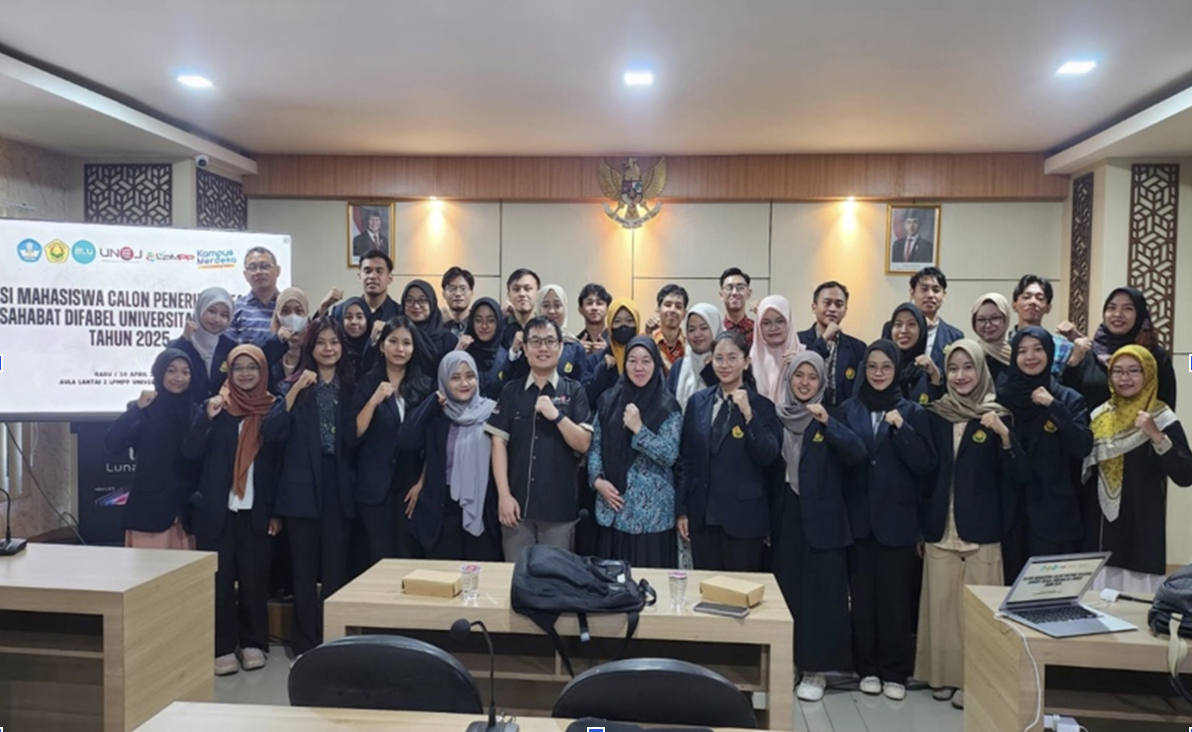
UNEJ further implemented the Disabled Friends Scholarship program through PLKD under the Institute for Quality Assurance and Learning Development (LPMPP). On April 30, 2025, the university conducted a selection process for students who would serve as companions for students with disabilities. Fifteen students were selected and subsequently participated in inclusive training on 8 May 2025.
The training covered principles of accessibility, inclusive communication, and appropriate assistance for students with disabilities. This program demonstrates UNEJ's efforts to develop a supportive campus community in which students can participate in academic and non-academic activities regardless of their physical or accessibility-related needs.
Official reference: PLKD UNEJ Holds Disabled Friends Scholarship Selection 2025: 15 Students Selected and Participate in Inclusion Training – 8 May 2025.
In addition to accessibility support, UNEJ provides counseling services through PLKD to help students address personal, academic, and psychological challenges that may affect their educational experience. These services form part of the university's broader student support system and contribute to creating a more supportive learning environment.
Overall, UNEJ's initiatives demonstrate its efforts to improve access to higher education through inclusive facilities, student assistance programs, and institutional counseling services. These support mechanisms are available to students from different backgrounds, including female students who may experience financial, personal, or accessibility-related barriers. These schemes ensure that female students facing financial, personal or accessibility-related barriers can access and complete higher education at UNEJ.
5.3.4 Encouraging Women in Underrepresented Subjects
Jember University (UNEJ) supports gender equality and encourages women's participation in academic, scientific, and technological fields. Through academic development initiatives, student achievements, and activities organized by its Center for Gender Studies (Pusat Studi Gender/PSG), UNEJ promotes an inclusive educational environment where women have opportunities to explore various disciplines and develop their academic and professional potential.
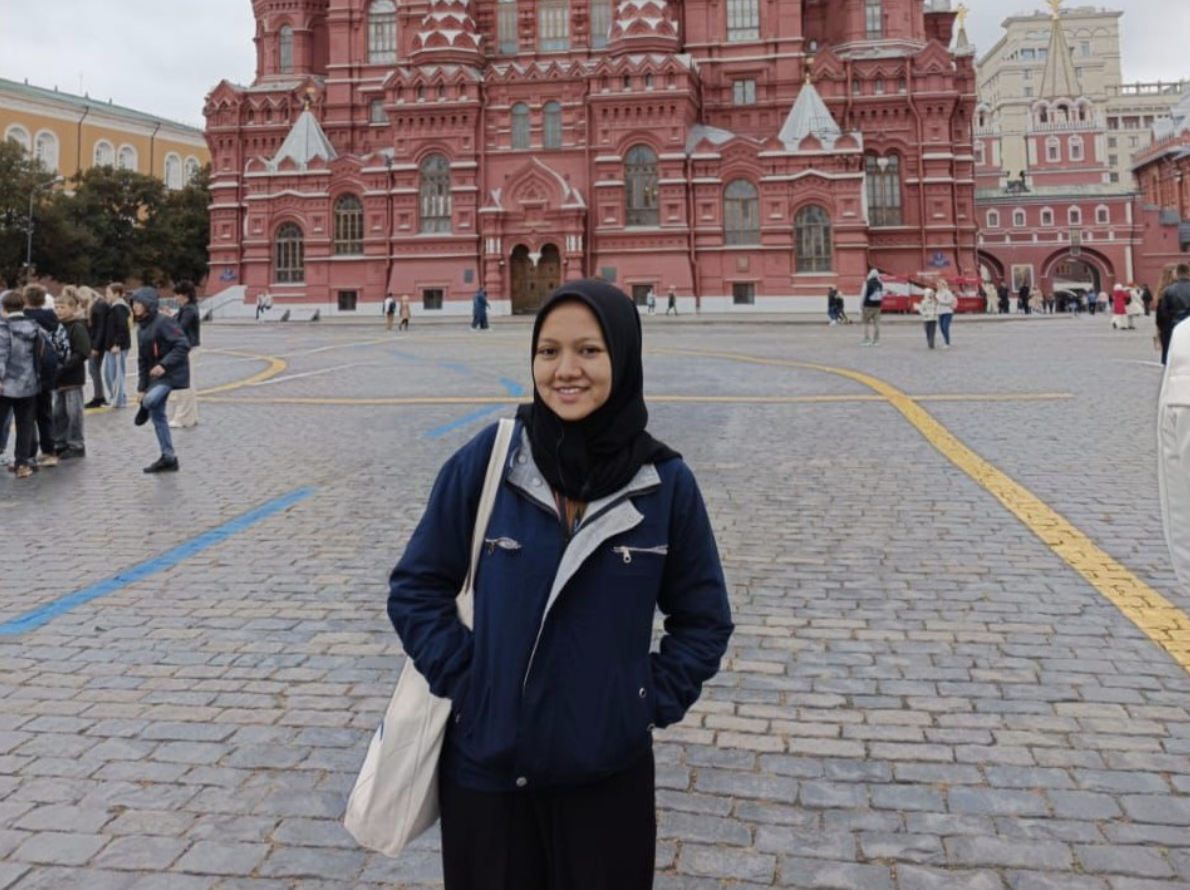
One example of UNEJ's support for women's participation in science and technology is the achievement of Mila Hidayatul Aula, a female Master's student in Physics at the Faculty of Mathematics and Natural Sciences (FMIPA). In 2025, Mila was selected to participate in the [in]Visible Power Female Leadership Camp in Russia, an international program focused on developing women's leadership in the nuclear sector. She was selected as one of ten full-scholarship recipients from more than 220 applicants representing over 20 countries. Her participation demonstrates the opportunities available to UNEJ female students to develop their knowledge, leadership, and international experience in advanced scientific fields.
Official reference: Leading from Indonesia: Mila Hidayatul Aula Proves Women Are Capable of Contributing to the Global Nuclear Sector – 24 November 2025.
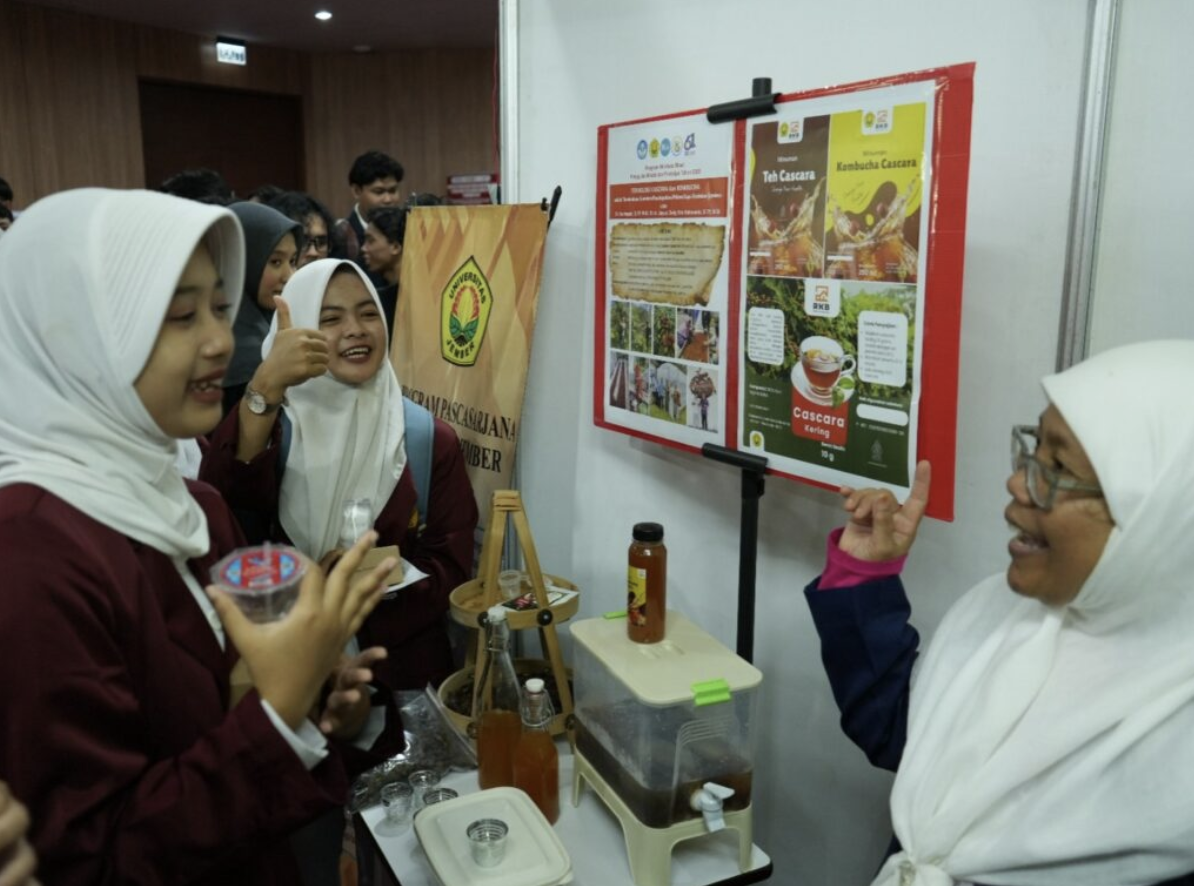
UNEJ also provides opportunities for prospective students to explore different academic disciplines through educational outreach activities. On 19 November 2025, UNEJ organized the Showcase and Colloquium UNEJ 2025, which welcomed students from senior high schools, vocational schools, and Islamic senior high schools across the Tapal Kuda region. The event introduced various study programs through interactive faculty booths, technology demonstrations, product exhibitions, and discussions with lecturers and university students. The participation of the Faculty of Engineering and the Faculty of Computer Science provided prospective students with opportunities to learn about technical and technology-related disciplines before choosing their higher education pathways.
Official reference: UNEJ 2025 Showcase and Colloquium Shows Study Program Innovation, Interactive Booths, and the Enthusiasm of Hundreds of Students – 19 November 2025.
In addition, UNEJ promotes women's participation and leadership through activities organized by its Center for Gender Studies. On 21 June 2025, the university held a Women's Political School involving women from village government, the Family Welfare Movement (PKK), community organizations, women's farming groups, and other local organizations. The program aims to strengthen women's participation in public and political life through discussions and learning activities. The initiative reflects UNEJ's broader efforts to encourage women's participation and leadership across different sectors.
Official reference: Increasing Women's Political Participation, Building Politics with an Ethics of Caring – 21 June 2025.
Overall, these initiatives demonstrate UNEJ's efforts to support women's development, expand exposure to academic and professional opportunities, and strengthen women's participation in fields such as science, technology, and leadership. Through role models such as Mila Hidayatul Aula and outreach that introduces engineering and computer science to secondary-school students, UNEJ encourages young women to pursue fields where they remain underrepresented.
5.6.1 Non-Discrimination Against Women
Jember University (UNEJ) demonstrates its commitment to promoting gender equality and protecting women through institutional initiatives, gender-related programs, and mechanisms for preventing and addressing violence. Through its Center for Gender Studies (Pusat Studi Gender/PSG) and Task Force for the Prevention and Handling of Sexual Violence (Satgas PPKS), UNEJ supports efforts to create a safe, respectful, and inclusive environment for members of the university community.
On 10 January 2025, UNEJ received an award from the Jember Regency Government in recognition of its contribution to the prevention and handling of violence against women and children. The award was received by the Head of UNEJ's Center for Gender Studies and the Head of its Task Force for the Prevention and Handling of Sexual Violence. The recognition highlighted UNEJ's collaboration with local government and other organizations in promoting women's empowerment and supporting victims of violence. This initiative demonstrates the university's institutional involvement in protecting women and supporting gender equality.
Official reference: Supporting the Prevention of Violence against Women and Children, UNEJ Receives Award from Jember Regency Government – 10 January 2025.
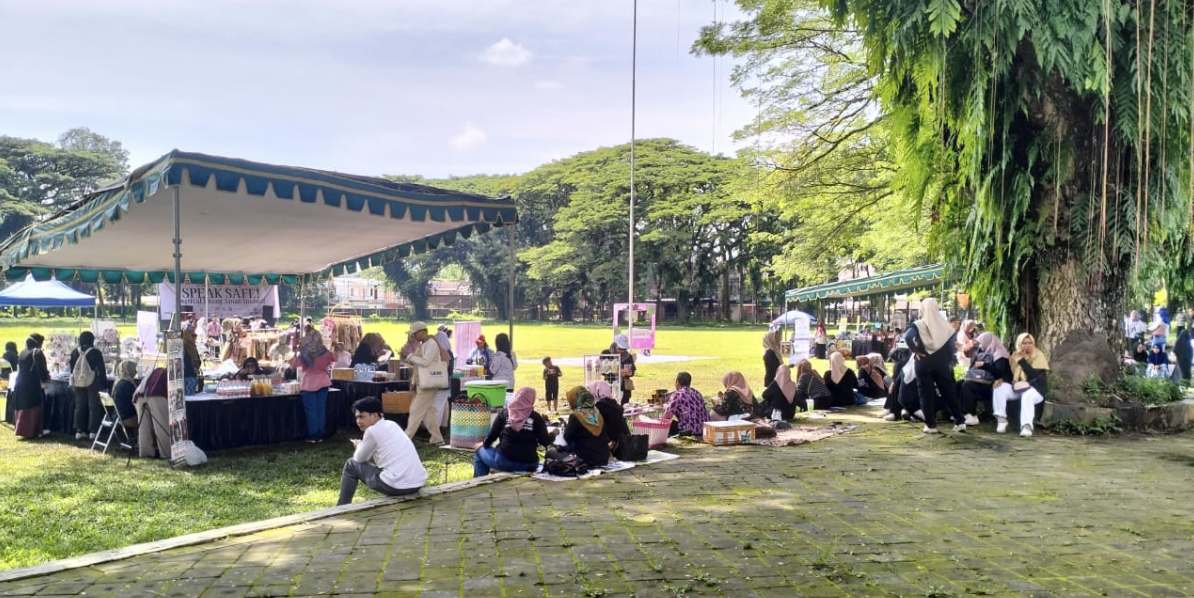
UNEJ further strengthened its efforts to address violence against women through the SPEAK SAFE! Festival, organized by its Center for Gender Studies in collaboration with 23 non-governmental organizations across Jember Regency. Held on 7 December 2025 as part of the global 16 Days of Activism Against Gender-Based Violence campaign, the event provided a public platform for students, community groups, former migrant workers, women entrepreneurs, and the wider community to express their opposition to gender-based violence.
The festival featured artistic performances, poetry, music, murals, and collective activities to raise public awareness and encourage solidarity against violence towards women. Through this collaboration, UNEJ expanded its gender-equality advocacy beyond the university campus and encouraged broader community participation in creating safer and more inclusive environments.
Official reference: UNEJ Gender Studies Center and 23 NGOs Hold SPEAK SAFE! Festival: Thousands of Voices Unite Against Violence Against Women – 7 December 2025.
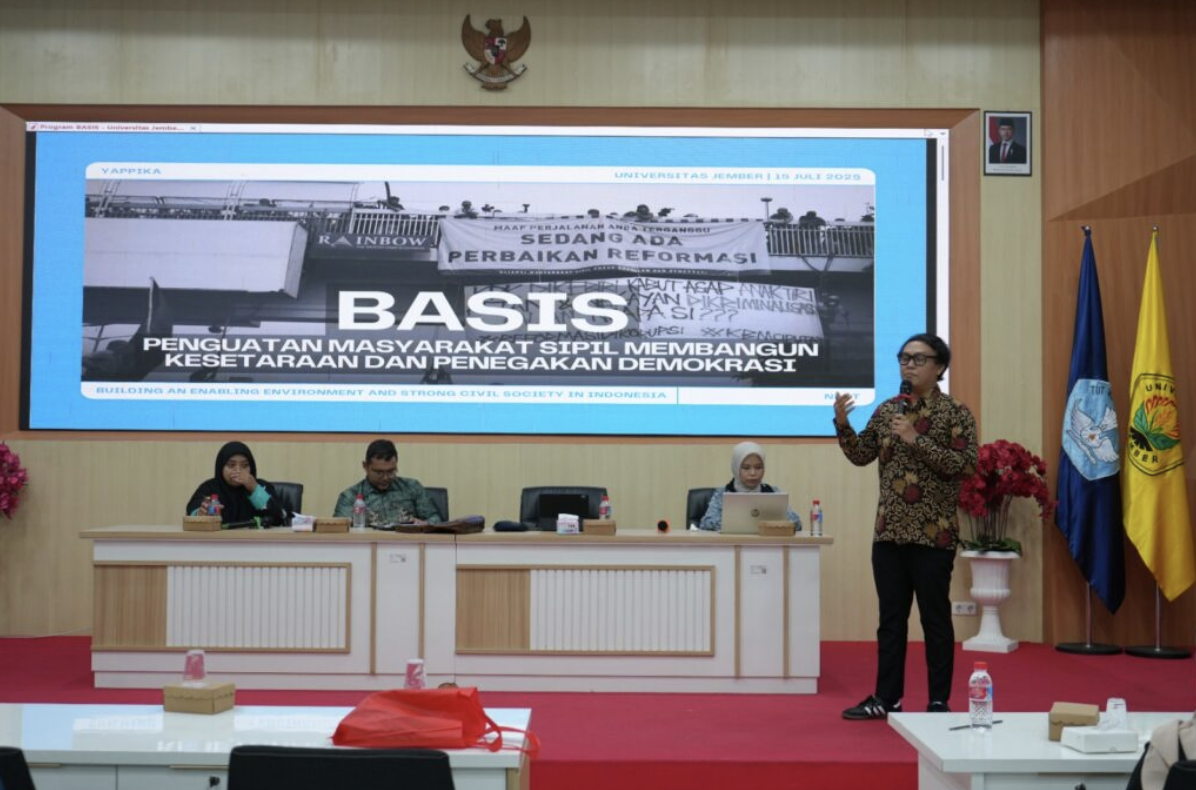
In addition, on 15 July 2025, UNEJ's Center for Gender Studies organized a public discussion focusing on strengthening civil society and democracy in Jember. The discussion addressed equality, civic participation, and the importance of involving civil society in policy-making processes. This activity reflects UNEJ's broader commitment to promoting equal participation and strengthening the role of women and community groups in public life.
Official reference: PSG UNEJ Holds Public Discussion Encouraging Strengthening Civil Society and Democracy in Jember – 15 July 2025.
UNEJ's commitment to non-discrimination and the protection of women is also supported by institutional regulations governing ethical conduct and the prevention of violence within the university environment. One of the main legal foundations is Rector Regulation No. 4 of 2022 concerning the Prevention and Handling of Sexual Violence at Jember University, which establishes an institutional basis for preventing and responding to sexual violence. This regulation provides a framework for protecting members of the university community and ensuring that reports of sexual violence can be addressed through appropriate institutional procedures.
Furthermore, Rector Regulation No. 5 of 2023 concerning the UNEJ Code of Ethicsand Rector Regulation No. 6 of 2023 concerning the Code of Ethics for Lecturersestablish ethical standards and responsibilities for members of the academic community and lecturers. These regulations support the principles of fairness, equality, professionalism, and responsibility in academic and institutional interactions. UNEJ also issued Rector Regulation No. 3 of 2025 concerning the Student Code of Ethics, which establishes ethical standards for students and reinforces values such as justice, equality, openness, and responsibility.
At the national level, these institutional efforts are supported by Minister of Education, Culture, Research, and Technology Regulation No. 55 of 2024 concerning the Prevention and Handling of Violence in Higher Education Institutions. This regulation provides a broader framework for addressing various forms of violence, including discrimination and intolerance, within higher education environments. Together, these regulations demonstrate UNEJ's institutional commitment to establishing a safe, respectful, and inclusive academic environment.
Overall, UNEJ's initiatives demonstrate institutional efforts to promote gender equality, prevent violence against women, strengthen victim protection, and encourage community participation. Through the involvement of PSG, PPKS Task Force, local government, and civil society organizations, the university contributes to creating a safer and more inclusive environment.
Through Rector Regulation No. 4 of 2022, the UNEJ and lecturer codes of ethics, and the 2025 Student Code of Ethics, UNEJ ensures that women are protected from discrimination in admission, learning, employment and campus life.
5.6.2 Non-Discrimination Against Transgender People
Jember University (UNEJ) demonstrates its commitment to fostering an inclusive and respectful academic environment through institutional guidelines, student regulations, and initiatives aimed at preventing discrimination, harassment, and violence. These efforts support the creation of a university environment in which individuals are treated with dignity and respect, regardless of their personal backgrounds and identities.
UNEJ's Code of Conduct establishes expectations for respectful and inclusive participation in activities hosted by or associated with the university. The policy explicitly recognizes gender identity and expression, as well as sexual identity and orientation, as characteristics that must not become grounds for discrimination or unequal treatment. It encourages the use of inclusive language, respect for individual differences, and the use of preferred pronouns. The code also identifies harassment, derogatory comments, unwanted sexual attention, and the promotion of inequality based on gender identity or expression as unacceptable conduct. Furthermore, it provides a reporting channel for suspected violations, supporting efforts to maintain a safe and respectful environment for participants.
Official reference: UNEJ Code of Conduct.
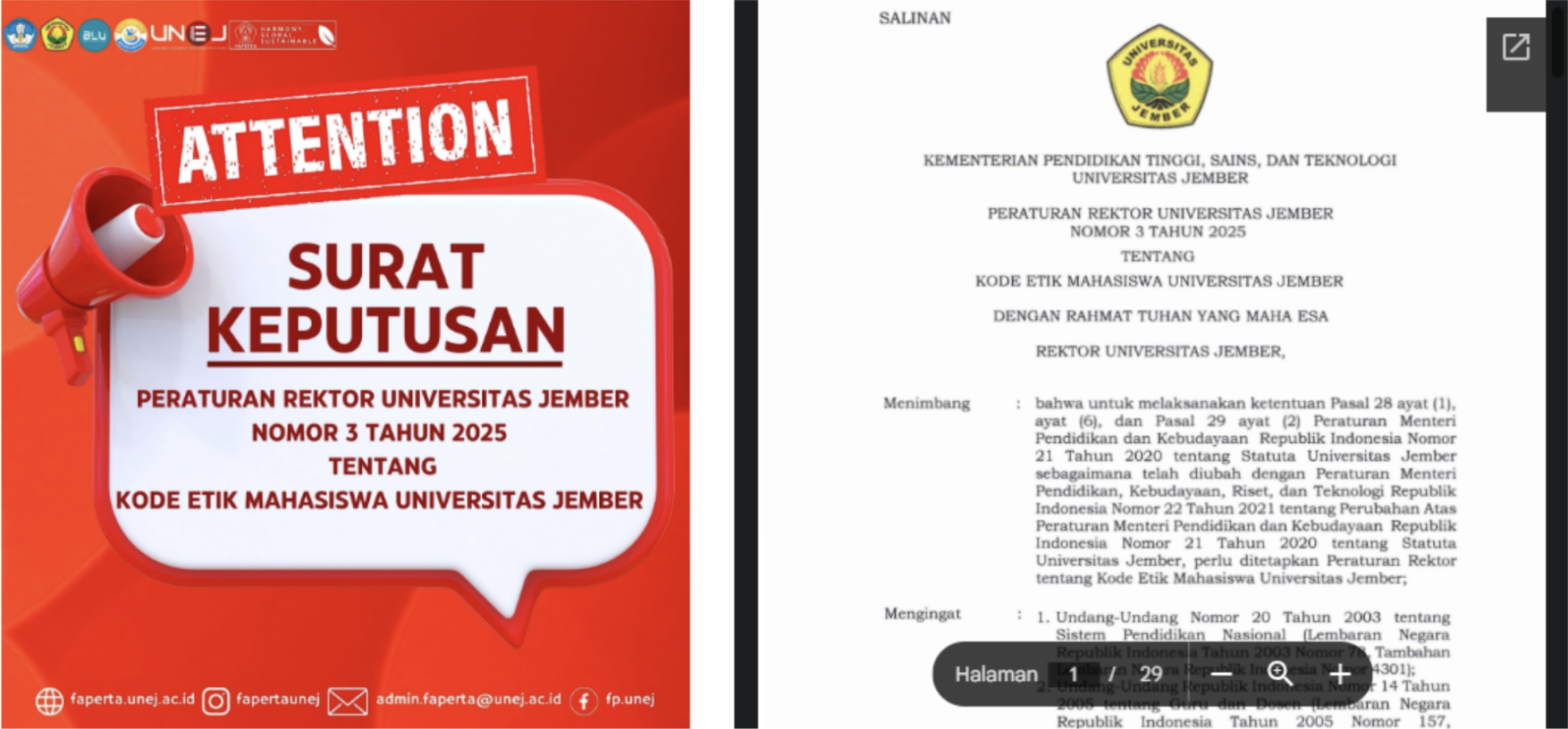
UNEJ further strengthened its student conduct framework through Rector Regulation No. 3 of 2025 concerning the Student Code of Ethics of Jember University. Published on 17 September 2025, the regulation establishes ethical standards and expectations for students within the university environment. This regulation provides an institutional foundation for promoting responsible behavior, mutual respect, and the maintenance of a respectful academic community.
Official reference: Jember University Chancellor's Regulation Number 3 of 2025 concerning Student Code of Ethics – 17 September 2025.
In addition, on 5 August 2025, UNEJ emphasized its commitment to conducting a safe and violence-free New Student Campus Orientation Program (PKKMB). The Chancellor stated that PKKMB 2025 must be free from bullying, while university leaders signed an integrity pact to support the implementation of a safe, comfortable, and respectful orientation program. This initiative reflects the university's efforts to prevent bullying and create a positive environment for new students.
Official reference: UNEJ Chancellor: PKKMB 2025 is Bullying Free! – 5 August 2025.
The commitment to equality was also reflected in UNEJ's 2025 PKKMB guidelines, which emphasized non-discrimination and equal treatment regardless of social, economic, cultural, racial, religious, gender, sexual orientation, physical, or other backgrounds. The guidelines also highlighted inclusivity and accessibility, as well as protection against physical, verbal, sexual, and psychological violence. These provisions demonstrate UNEJ's efforts to establish a safe and inclusive environment for students participating in university orientation activities.
Official reference: PKKMB 2025 Guidelines – University of Jember.
Overall, UNEJ's institutional guidelines and activities demonstrate efforts to promote respect for gender identity, prevent discriminatory behavior, and strengthen protection against harassment and bullying. The Code of Conduct provides particularly relevant evidence because it explicitly recognizes gender identity and expression and establishes expectations for inclusive behavior and reporting violations.
5.6.3 Maternity Policies
Jember University (UNEJ) provides institutional procedures for employee leave and temporary academic study interruption. These administrative arrangements are relevant to supporting members of the university community who need to take leave for personal and family-related circumstances, including childbirth.
In 2025, UNEJ maintained an official personnel administration service that included employee leave applications. The university's personnel services identify "Employee Leave" as an administrative service for educational personnel, with a digital leave application form listed among the required documents. This demonstrates the availability of an institutional channel for processing employee leave requests.
Official reference: Jember University Personnel – Employee Leave Administration.
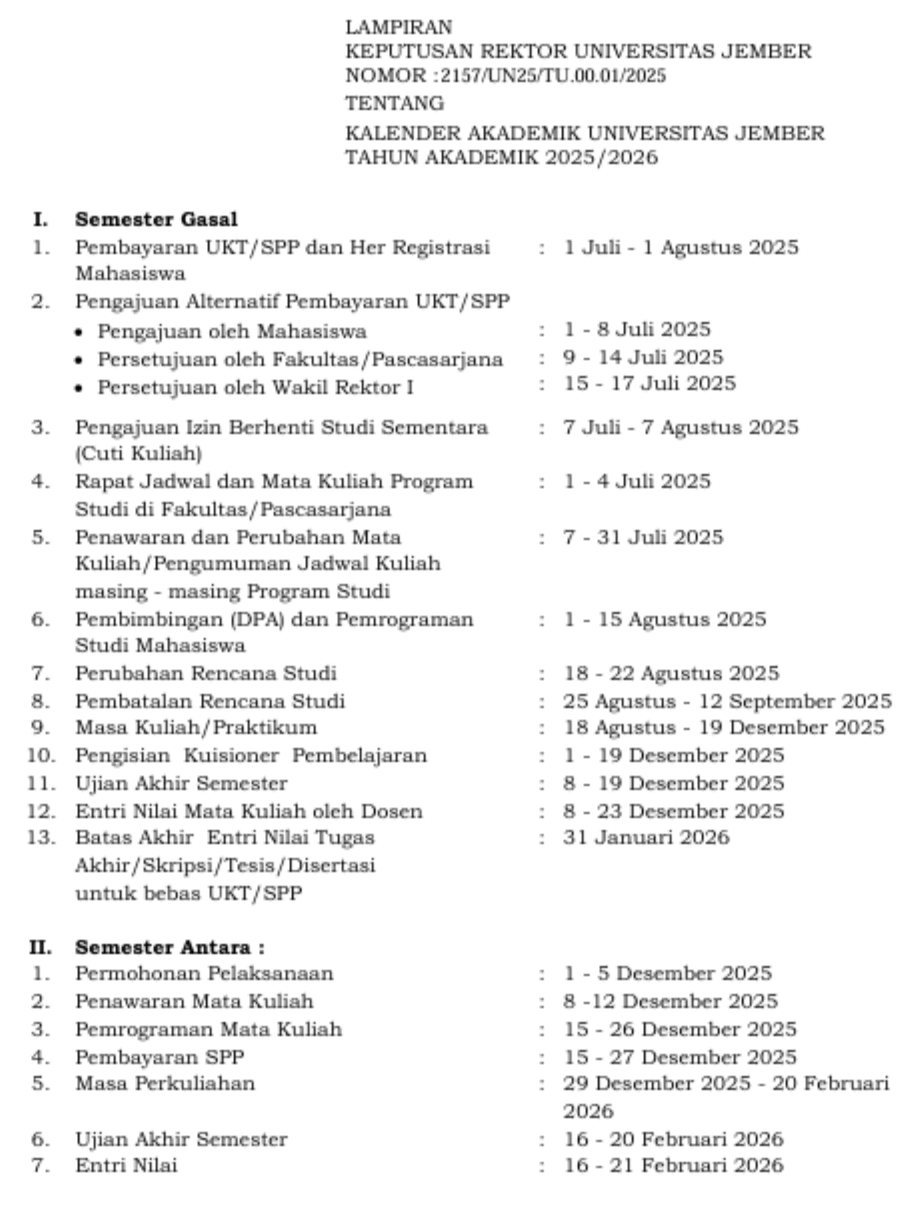
UNEJ also established an academic leave application period through its Rector's Decree concerning the Academic Calendar for the 2025/2026 Academic Year. The calendar specified that students could apply for temporary study interruption, known as "Permit to Stop Studying Temporarily (Leave College)," from 7 July to 7 August 2025. This provision demonstrates that UNEJ provides a formal administrative mechanism for students to temporarily interrupt their studies while maintaining an established academic status procedure.
Official reference: University of Jember Academic Calendar Academic Year 2025/2026 – Rector's Decree No. 2157/UN25/TU.00.01/2025.
These institutional arrangements provide evidence of employee leave administration and temporary academic study interruption procedures during 2025. Overall, UNEJ's 2025 administrative arrangements demonstrate the availability of employee leave services and temporary academic study interruption procedures. For civil servants, UNEJ applies BKN Regulation No. 24 of 2017, under which female employees are entitled to three months of maternity leave with full pay. PPPK employees receive equivalent maternity leave under the applicable PPPK regulations.
5.6.4 Childcare Facilities for Students and 5.6.5 Childcare Facilities for Staff
Jember University (UNEJ) demonstrates its involvement in supporting childcare and early childhood development through the provision of childcare facilities, parenting education, student engagement, and community-based programs. These initiatives reflect the university's contribution to supporting children's well-being and strengthening awareness of childcare and early childhood education within the academic environment and surrounding community.
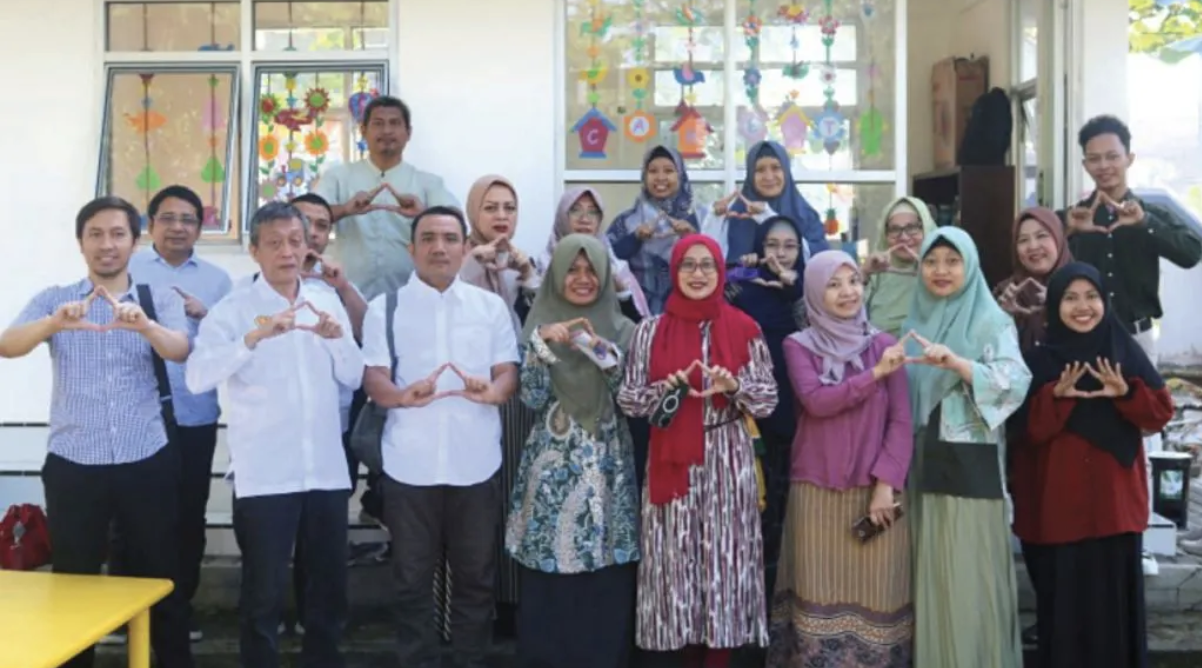
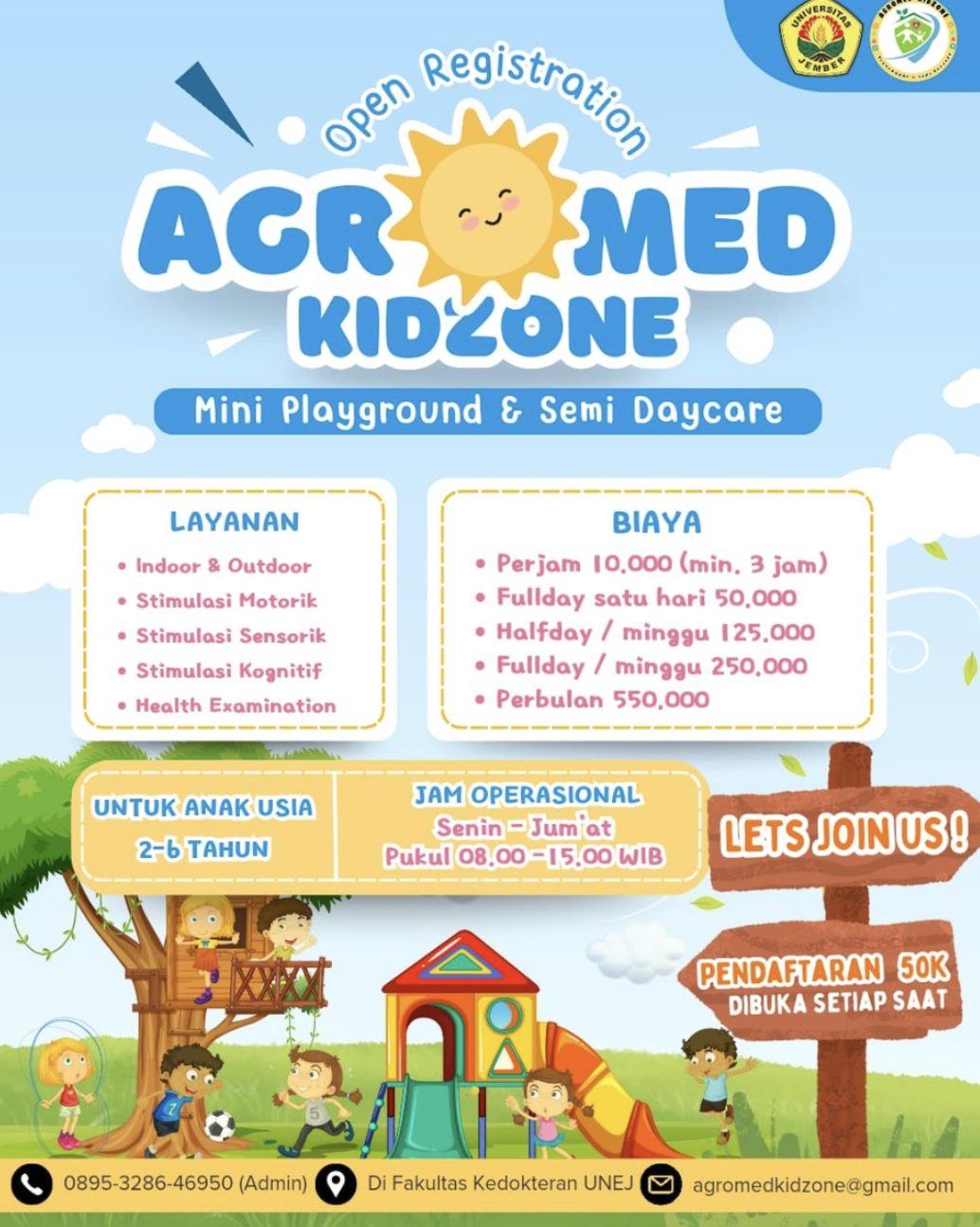
One of UNEJ's childcare facilities is Daycare Carents Agromedicine, established by the Faculty of Medicine and officially inaugurated on 15 July 2024. Since 2024–Present, this facility has been part of UNEJ's childcare initiatives within the university environment. It was established to provide childcare and early childhood development services, particularly for children of lecturers and staff, while also being open to the general public. The daycare offers two main programs: an infant stimulation program for children aged 0–12 months and a Montessori-based toddler program for children aged 1–3 years. It also provides dedicated spaces and educational play materials to support children's physical, cognitive, and emotional development. This initiative demonstrates UNEJ's effort to provide childcare services that support working parents and children's development.
Official reference: FK UNEJ Inaugurates Daycare Carents Agromedicine for Early Childhood Growth and Development – 15 July 2024 (Since 2024–Present).
An earlier childcare initiative was developed through the Agromedis Dharma Wanita Child Care Center (TPA), established in collaboration between the Faculty of Medicine and Dharma Wanita FK UNEJ. Since 2020, the initiative has aimed to provide quality childcare services for working mothers by integrating early childhood care, health monitoring, and educational activities. The program was developed through collaboration between lecturers from the Faculty of Medicine, the Early Childhood Education program (PG PAUD), the Faculty of Social and Political Sciences, and Dharma Wanita. Each institution contributed expertise in children's health, early childhood education, organizational management, and childcare operations. The initiative reflects UNEJ's earlier efforts to support working mothers and promote children's development through an agromedicine-based childcare approach.
Official reference: Grounding Agromedicine from an Early Age with the Dharma Wanita Agromedical Childcare Park, Faculty of Medicine, Jember University (TPA Agromedis DW FK UNEJ) – 10 October 2020 (Since 2020).
These childcare initiatives demonstrate UNEJ's institutional involvement in providing support for working parents, particularly lecturers and educational staff. Through dedicated childcare facilities, early childhood stimulation programs, and educational activities, the university seeks to create an environment that recognizes the importance of family well-being alongside professional responsibilities
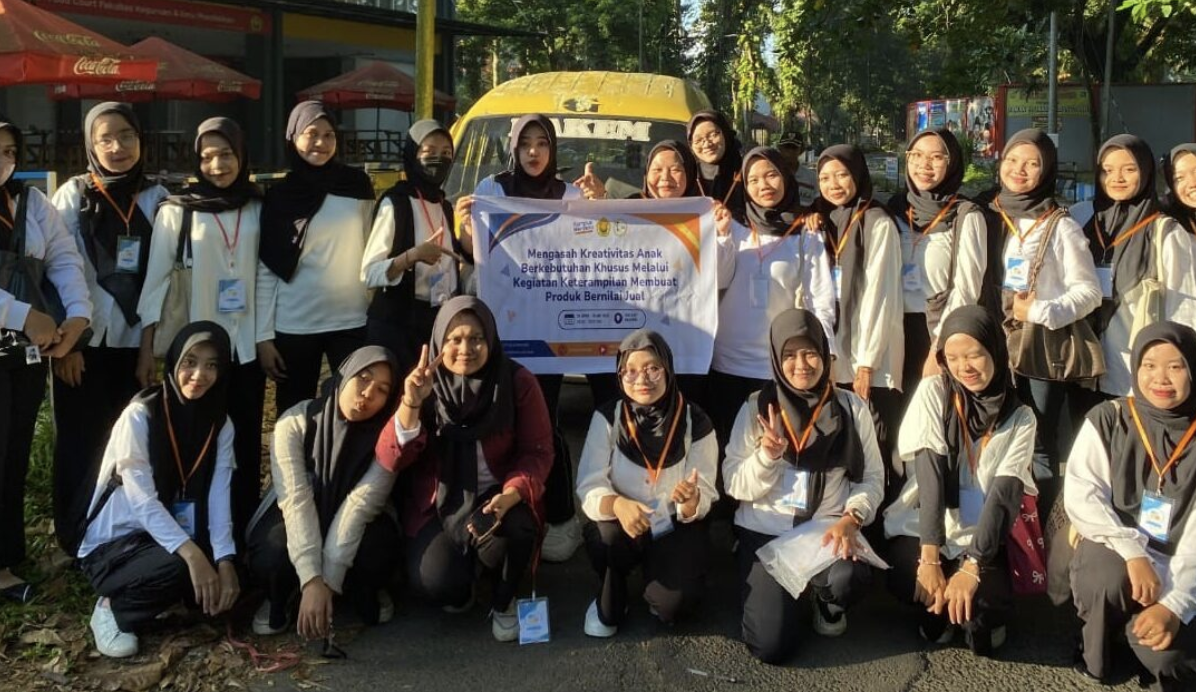
In 2025, UNEJ expanded its engagement in childcare-related activities through the Child Care Volunteer program organized by HMP Golden Age, Faculty of Teacher Training and Education (FKIP). Conducted from 19 April to 10 May 2025, the program involved students from public universities across Jember Regency in activities supporting children with special needs. The initiative provided opportunities for volunteers to gain practical experience in inclusive education, including learning about Indonesian Sign Language (SIBI), and participating in activities designed to support children's independence and development.
Official reference: PTN Students throughout Jember Empower Children with Special Needs Through the Innovative Volunteer Program HMP Golden Age FKIP UNEJ – 11 May 2025.
Furthermore, on 31 October 2025, the Early Childhood Education Teacher Education Program (PG PAUD) at UNEJ organized the PG PAUD Berabdi 2025 program. The activity included parenting classes for parents and capacity-building activities for early childhood education teachers at TK Labschool Dharma Indria II. Through collaboration between lecturers, students, teachers, and parents, the program aims to improve parenting knowledge and strengthen the quality of early childhood education. This initiative reflects UNEJ's contribution to promoting positive parenting practices and supporting families in providing appropriate care for young children.
Official reference: Highlighting Parenting Patterns, UNEJ PAUD PG Lecturers Give Critical Education and Positive Tips – 31 October 2025.
UNEJ also demonstrated its commitment to early childhood education through a program organized by PG PAUD lecturers and students in collaboration with the Indonesian Kindergarten Teachers Association (IGTKI) of Arjasa District. On 4 September 2025, the team conducted training on the development of deep-learning-based teaching modules for early childhood education at TK Ar-Rahim Arjasa, Jember. The program aims to improve teachers' pedagogical competencies and the quality of learning activities for young children. The involvement of UNEJ lecturers and students also provided opportunities to apply academic knowledge directly in the community.
Official reference: UNEJ PGPAUD Commitment: Dedicated Lecturers and Students to Improve Educators' Pedagogical Competence – 4 September 2025.
In addition, UNEJ's Dental and Oral Education Hospital (RSGMP) organized the Little Dentist program on 19 June 2025, involving children from Balita Center Montessori Preschool & Daycare. The activity introduces children to oral hygiene through interactive educational sessions, practical toothbrushing demonstrations, dental examinations, and role-play activities. This program demonstrates UNEJ's contribution to supporting children's health and development through educational and healthcare services.
Official reference: Little Dentist: Create Beautiful Memories for Children Not to Be Afraid of Having Their Teeth Checked – 19 June 2025.
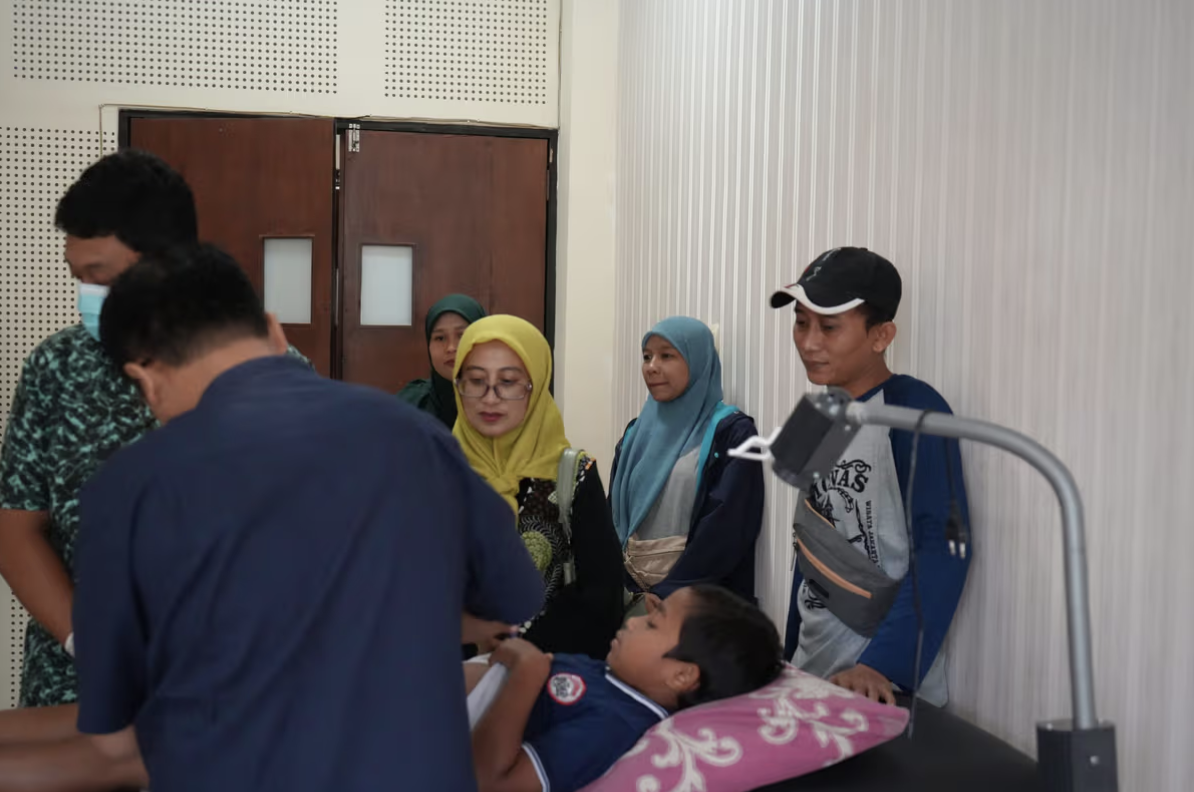
UNEJ also conducted a community health program through the Faculty of Medicine's Agromedicine initiative on 19 June 2025. The activity provided free circumcision services for 25 children, accompanied by health education covering child nutrition, reproductive hygiene, and post-procedure care. Parents also received information about wound care and monitoring their children's recovery. This initiative reflects the university's broader contribution to children's health and family well-being through community-based healthcare services.
Official reference: Jember University Faculty of Medicine Holds Agromedical Social Service: Free Circumcision and Health Education – 23 June 2025.
Overall, UNEJ's initiatives demonstrate its involvement in childcare provision, early childhood development, parenting education, inclusive child support, and children's health services. Daycare Carents Agromedicine represents a dedicated childcare facility established in 2024, while the activities conducted throughout 2025 demonstrate continued university engagement in supporting children and families through educational, volunteer, and community-based programs. Daycare Carents Agromedicine continues to serve the children of UNEJ students, lecturers and staff, helping student parents and working parents balance study, work and family.
5.6.6 Mentoring Programs for Female Students
Jember University (UNEJ) supports student development through mentoring, peer counseling, leadership development, and health education initiatives. These programs provide opportunities for students to receive academic guidance, develop personal skills, and access peer support. These initiatives provide support and development opportunities for female students within the university environment.
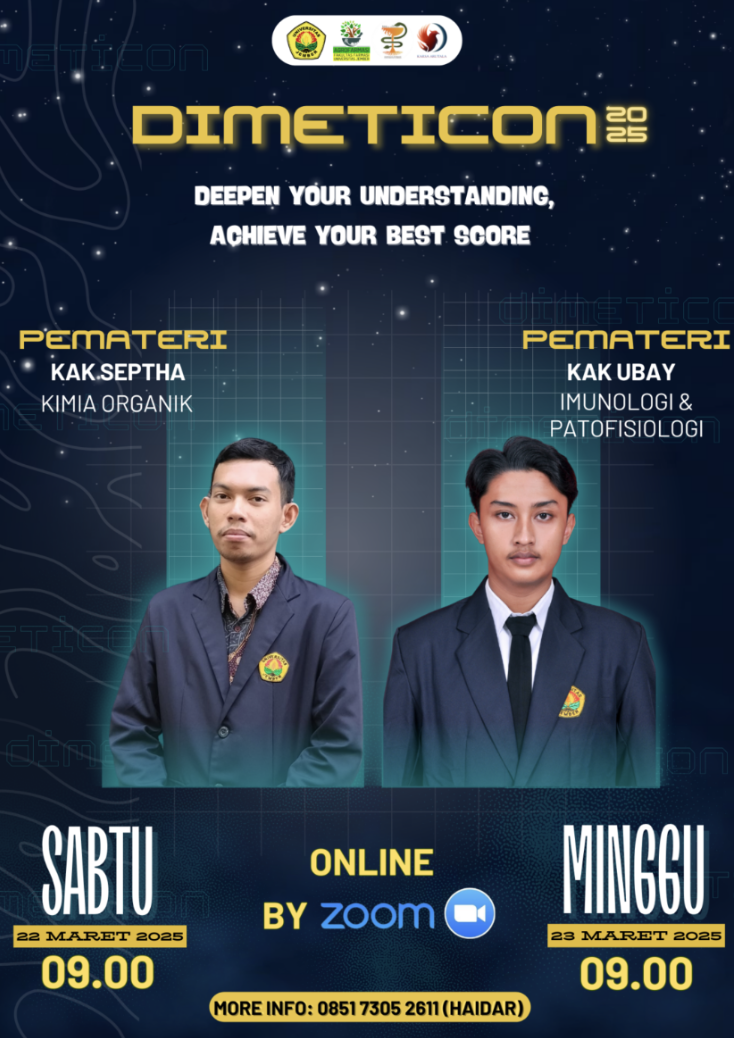
One of these initiatives is Discussion, Mentoring, and Counseling (DIMETICON) 2025, organized by the Academic and Achievement Department of the Student Executive Board of the Faculty of Pharmacy (BEMF Pharmacy UNEJ). The program was designed to improve students' understanding of academic subjects through discussions, mentoring sessions, and counseling activities. Conducted in several sessions throughout March, June, and September 2025, DIMETICON involved students from the 2024 and 2025 cohorts. Each subject was facilitated by a selected senior student mentor who provided explanations, discussion opportunities, question-and-answer sessions, and quizzes. Through this program, female students were also able to receive academic guidance and interact with senior students to strengthen their academic performance.
Official reference: Discussion, Mentoring, and Counseling (DIMETICON) 2025 – 21 March 2025.
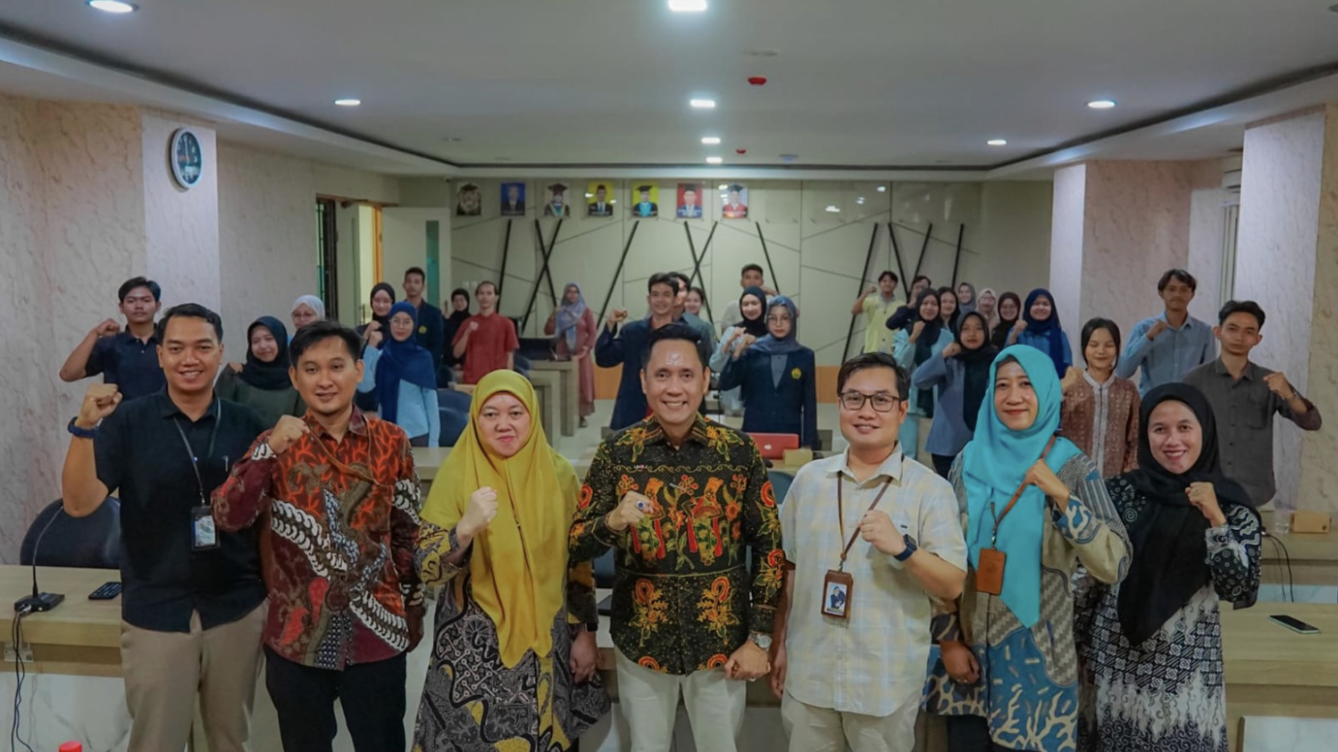
UNEJ also strengthened its peer-support system through the Student Peer Counselor Training organized by the Center for Learning Development and Educational Quality Assurance (LPMPP) on 10 September 2025. The program involved 40 selected students representing 15 faculties across UNEJ and was conducted in collaboration with the Department of Psychology at Universitas Muhammadiyah Jember. Participants receive training in basic peer counseling, inclusive counseling principles, and techniques for providing psychological support to fellow students. The training also included practical simulations and demonstrations to prepare participants to become peer supporters within their respective faculties. This initiative provides an accessible peer-support network that can also benefit female students experiencing academic, emotional, or personal challenges.
Official reference: Jember University LPMPP Holds Student Peer Counselor Training – 10 September 2025.
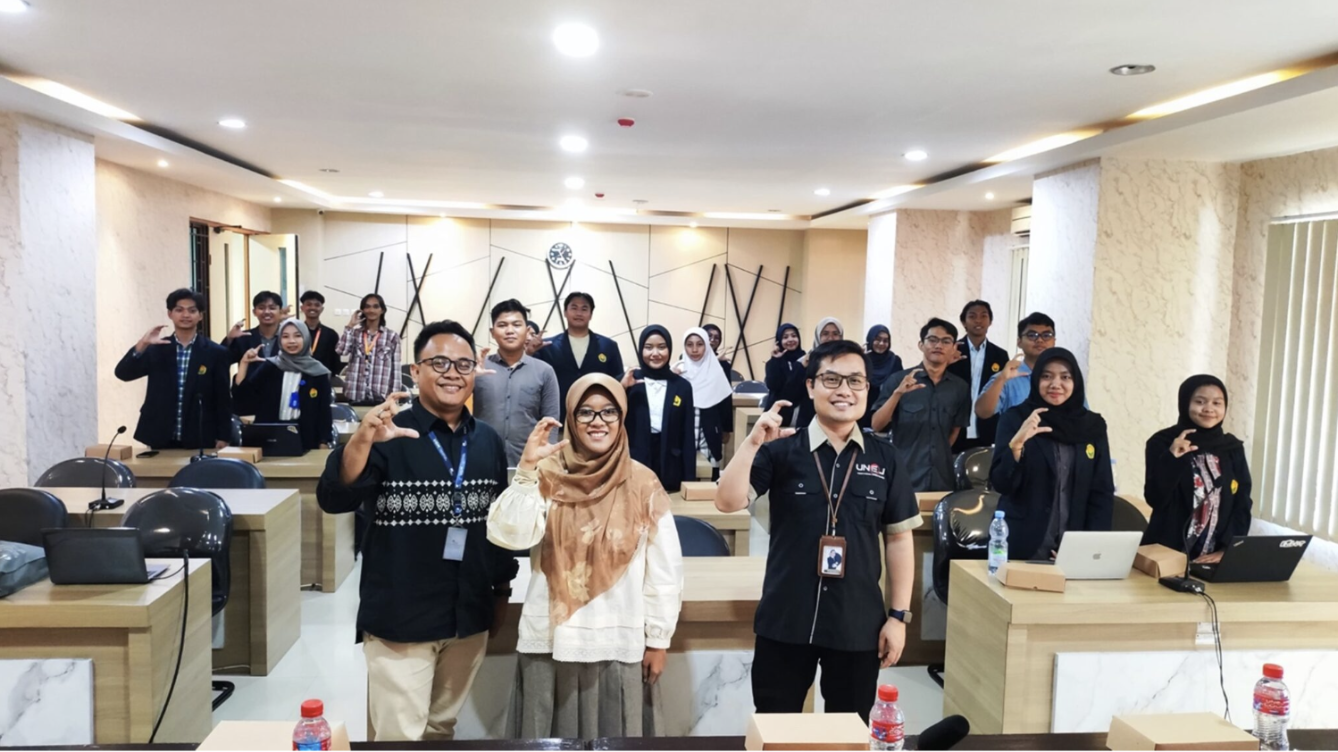
Furthermore, on 3 June 2025, LPMPP UNEJ organized an upgrading self-skill program specifically for student leaders from Faculty Student Executive Boards (BEM) across the university. The program addressed emotional management, problem-solving, and resilience, with speakers from Gadjah Mada University. Participants receive practical guidance to strengthen their personal capabilities, manage organizational challenges, and develop effective leadership skills. By providing opportunities for student leaders to improve their competencies, the program also supported female students involved in student organizations and leadership positions.
Official reference: LPMPP UNEJ Holds Self-Skill Upgrading for Student Leaders with Material on Emotional Management, Problem Solving and Resilience – 3 June 2025.
In addition to academic and personal development, UNEJ students were involved in health education initiatives addressing women's health. Through the Center for Indonesian Medical Students' Activities (CIMSA) UNEJ, the LILY 2025 campaign addressed awareness of breast and cervical cancer. The campaign provided an opportunity to raise awareness about women's health, encourage preventive behavior, and promote access to relevant health information. This initiative complements UNEJ's student development activities by addressing health-related issues that are particularly relevant to female students.
Official reference: CIMSA UNEJ – LILY 2025 Post-Activity Videoand LILY 2025 Campaign – Instagram.
Overall, UNEJ's activities in 2025 demonstrate the availability of academic mentoring, peer counselling, leadership development, and women's health education initiatives that female students can participate in. Through these programs, the university provides opportunities for students to strengthen their academic abilities, personal resilience, leadership competencies, and awareness of health-related issues.
5.6.7 Tracking Women's Graduation Rates Compared with Men
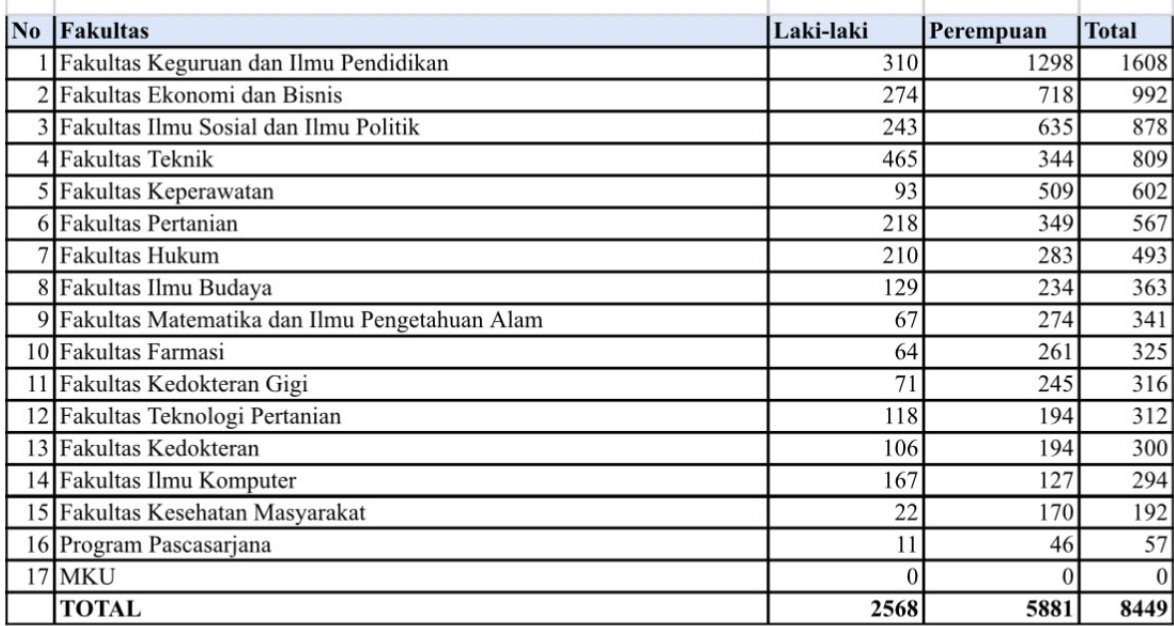
Jember University (UNEJ) maintains gender-disaggregated graduate records to monitor the distribution of female and male graduates across its academic faculties and postgraduate programs. These records provide an overview of graduation outcomes by gender and serve as a basis for examining gender representation in higher education completion.
Based on UNEJ's graduate data for the 2025 reporting period, the university recorded a total of 8,449 graduates. This consisted of 5,881 female graduates, representing approximately 69.60% of all graduates, and 2,568 male graduates, accounting for approximately 30.40%. The figures indicate that female graduates represented the larger proportion of UNEJ's graduating population during the reporting period.
The distribution of graduates varied across academic faculties. The Faculty of Teacher Training and Education recorded the highest number of graduates, with 1,608 students, consisting of 1,298 women and 310 men. This was followed by the Faculty of Economics and Business with 992 graduates, including 718 women and 274 men, and the Faculty of Social and Political Sciences with 878 graduates, consisting of 635 women and 243 men.
Female graduates also represent a substantial proportion of graduates in several other faculties. The Faculty of Nursing recorded 509 female graduates out of 602 total graduates, while the Faculty of Pharmacy recorded 261 female graduates out of 325. Similarly, the Faculty of Public Health recorded 170 female graduates out of 192. In contrast, male graduates outnumbered female graduates in the Faculty of Engineering, with 465 men and 344 women, and the Faculty of Computer Science, with 167 men and 127 women.
Overall, UNEJ's gender-disaggregated graduate records provide an overview of female and male graduation outcomes across different academic disciplines. The data demonstrates the distribution of graduates by gender and highlights differences in gender representation among faculties.
5.6.8 Protection for Individuals Reporting Discrimination
Jember University (UNEJ) demonstrates its commitment to protecting individuals who report misconduct through whistleblowing mechanisms that provide confidentiality and safeguards against retaliation. These mechanisms support a reporting environment in which members of the university community can submit complaints or disclose suspected violations without unnecessary exposure of their identities.
UNEJ provides an institutional reporting channel through its Internal Supervisory Unit (Internal Supervisory Unit/SPI). The university's Whistleblowing System allows members of the academic community and other relevant parties to report suspected violations and misconduct. The reporting mechanism also emphasizes the protection of whistleblowers' identities and the confidentiality of submitted reports from disclosure to unauthorized parties. This provides an institutional channel for reporting concerns while protecting the information and identity of individuals submitting reports.
Official reference: Whistleblowing System – Jember University Internal Monitoring Unit.
Further protection provisions were documented in the 2025 Whistleblowing System Guidelines issued by the Faculty of Pharmacy at UNEJ. The guidelines explicitly require the confidentiality of whistleblowers' identities and prohibit retaliation against individuals who submit reports. They also state that whistleblowers must not be subjected to sanctions, termination of employment, intimidation, or discriminatory treatment as a consequence of reporting. In cases where retaliation occurs, the individual may submit an additional complaint through the established reporting mechanism. These provisions demonstrate the inclusion of confidentiality and anti-retaliation safeguards within the faculty's whistleblowing framework.
Official reference: Guidelines for Whistleblowing System, Faculty of Pharmacy, Jember University – December 2025.
Overall, UNEJ provides reporting mechanisms through its Internal Supervisory Unit and has documented more specific whistleblower protection provisions through the Faculty of Pharmacy's 2025 guidelines. These measures establish safeguards relating to confidentiality, protection against intimidation, and prevention of retaliation against individuals who report violations.
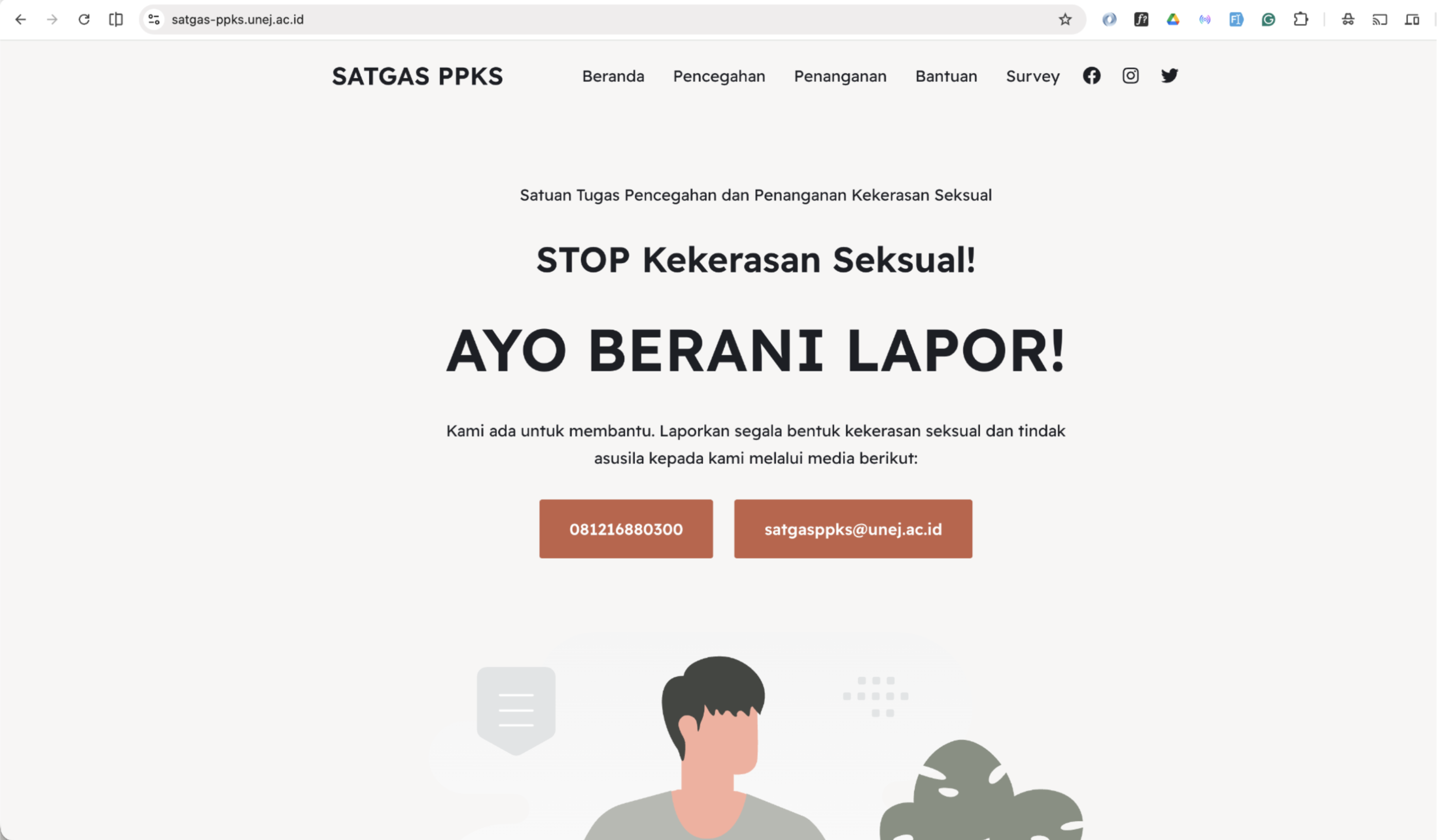
UNEJ guarantees protection for members of its academic community who experience and report discrimination. Under University of Jember Rector Regulation No. 3 of 2025 on the Student Code of Ethics, Chapter VI, Article 19(c), every student has the right to psychological, legal, and medical assistance, as well as legal protection, if they experience physical violence, psychological violence, bullying, sexual violence, discrimination, and/or intolerance. Reports are handled by UNEJ's Task Force for the Prevention and Handling of Violence in Higher Education (Task Force for the Prevention and Handling of Violence in Higher Education, PPKPT Task Force). Protection for those who report includes confidentiality of their identity, a guarantee that their studies or employment will continue, a prohibition of retaliation, and assistance throughout the process. Reports can be submitted throughhttps://satgas-ppks.unej.ac.id/
5.6.9 Paternity Policies
Jember University (UNEJ) provides employee administration leave procedures that support staff members in managing personal and family-related responsibilities. Through its personnel administration services, the university facilitates employee leave applications and provides an institutional mechanism for employees to request leave in accordance with applicable regulations.
UNEJ provides an official employee leave service through its Personnel Administration Office. The university's personnel services webpage lists "Employee Leave" as one of the available services for educational personnel, with a digital leave application form required as part of the administrative process. This demonstrates that UNEJ has an established administrative channel through which employees can submit and process leave requests, including requests based on qualifying family circumstances.
Official reference: Jember University Personnel – Employee Leave Administration.
UNEJ supports the involvement of male employees in childcare, so that the responsibility for caring for a newborn does not fall on women alone. For employees with civil servant (PNS) status, UNEJ applies BKN Regulation No. 24 of 2017 on Procedures for Granting Leave to Civil Servants, as amended by BKN Regulation No. 7 of 2021. Chapter III, Section E, point 3 of the regulation provides that a male civil servant whose wife gives birth or undergoes a caesarean section may be granted leave for important reasons by attaching a hospitalization certificate from a healthcare facility. The BKN's 2025 Pocket Book FAQ PNS Leave confirms that the duration of this leave is determined by the authorized official for a maximum of one month. Through this provision, male employees at UNEJ can accompany their wives during childbirth and recovery and take part in caring for their babies in the first weeks of life without losing their employment rights. Leave applications are processed by the personnel staff of each faculty through UNEJ's information system.
Official references:BKN Regulation No. 24 of 2017 on Procedures for Granting Leave to Civil Servants (Chapter III, Section E, point 3);State Civil Service Agency – PNS Leave FAQ Pocket Book, April 2025.
Overall, UNEJ's 2025 official circular on leave arrangements and its application of national civil service regulations demonstrates established procedures for managing employee leave, including leave for male employees whose wives gave birth. These arrangements support working fathers in balancing professional responsibilities with family needs. Leave arrangements for PPPK employees follow the equivalent provisions in the applicable PPPK regulations.