SDG 4 Universitas Jember 2025
4.1.3 Quality Education: Publications
University Jember Strengthen Educational Research and Scientific Publications
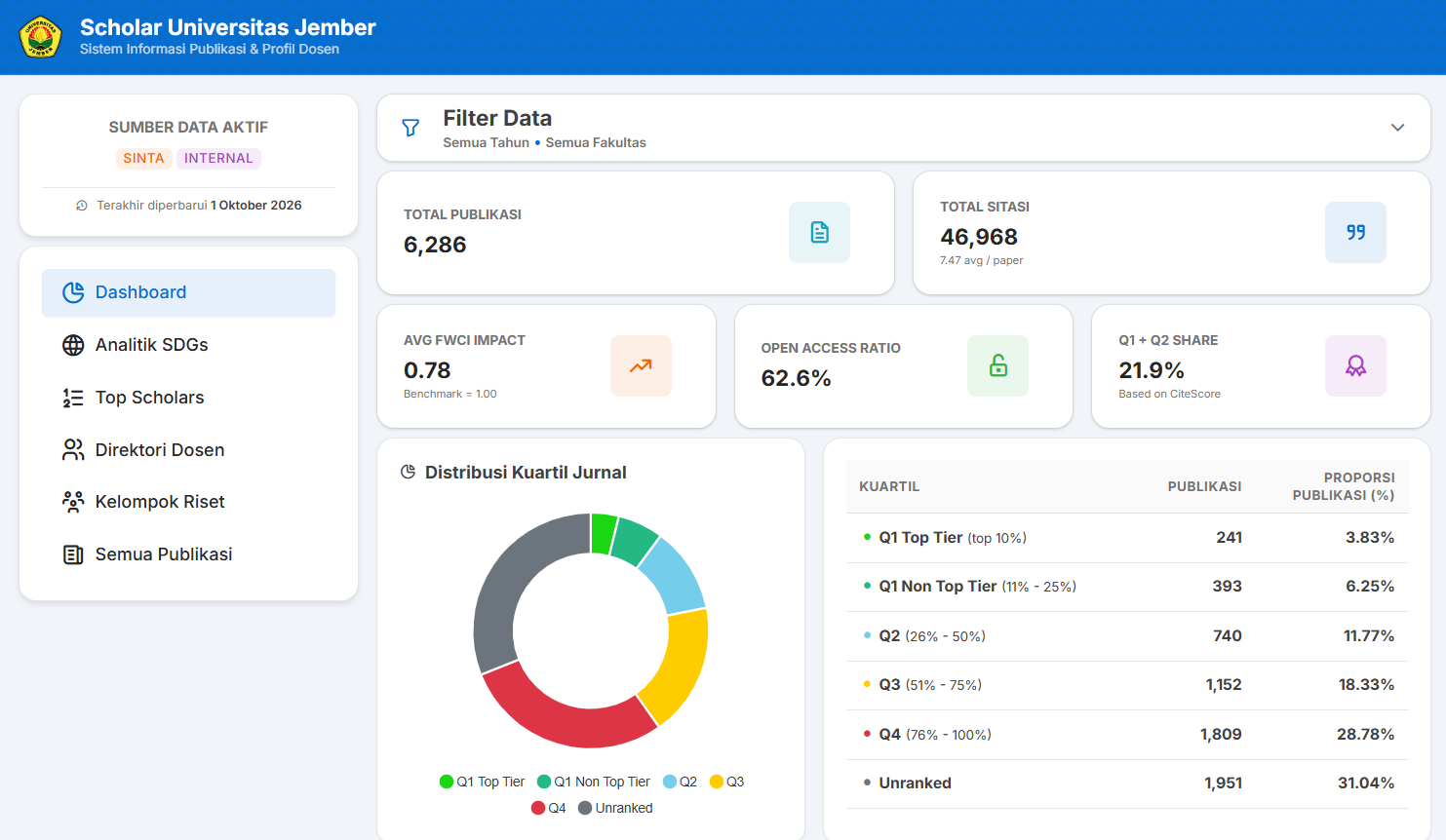
Jember University Scholar Portal supports the achievement of SDG 4 (Quality Education) by providing access to scientific publications, researcher profiles, citation information, and academic research outputs produced by university faculty members. The portal serves as a platform for promoting open access to knowledge, disseminating research findings, and encouraging the advancement of knowledge and innovation in education. Its existence demonstrates Jember University's commitment to strengthening its research culture and improving education quality through academic productivity, research collaboration, and sustainable dissemination of scientific knowledge.

Access to reliable academic knowledge is essential for improving the quality of education. Recognizing this importance, Universitas Jember (UNEJ) continues to strengthen its academic environment through teaching innovation, scientific publications, and digital research resources. By supporting lecturers and researchers in developing and sharing their work, UNEJ helps expand access to scholarly knowledge and encourages educational practices informed by research.
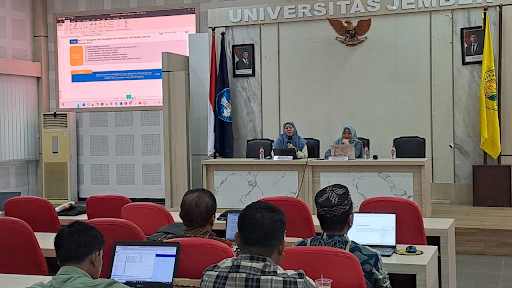
UNEJ encourages lecturers to improve their teaching methods through training organized by the Institute for Quality Assurance and Learning Development (LPMPP). On January 28, 2025, LPMPP organized a training program on innovative teaching for lecturers responsible for Compulsory Curriculum Courses (MKWK). The activity aimed to strengthen lecturers' understanding of educational policies and encourage more innovative and relevant learning practices. Such initiatives support the development of teaching practices and educational knowledge.

UNEJ also provides an online portal for its scientific journals through Rumah Jurnal UNEJ. The platform brings together academic journals published by the university and helps readers access scientific articles across various disciplines. Through this portal, UNEJ supports the dissemination of research findings and increases the visibility of academic publications among researchers, lecturers, students, and the public.
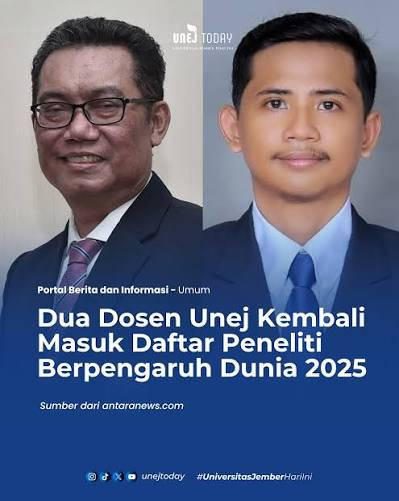
To support the development of reputable scientific publications, UNEJ also recognizes the importance of producing research with international visibility and impact. In September 2025, the Ministry of Higher Education, Science, and Technology reported that two UNEJ researchers, Prof. Bambang Kuswandi from the Faculty of Pharmacy and Dr. Mochamad Asrofi from the Faculty of Engineering, were included in the list of the world's top two percent of influential scientists. Their achievements highlight UNEJ's research capacity and its commitment to encouraging researchers to publish in reputable international journals.
In addition, UNEJ maintains a Digital Repository that collects, preserves, and provides access to academic documents and research outputs. The repository includes lecturer research reports, dissertations, master's theses, and other scholarly materials. This service helps preserve the university's research contributions and enables readers to discover academic information for learning and further research.
Through teaching innovation programs, its scientific journal portal, research development initiatives, and digital repository, UNEJ supports the production and dissemination of academic knowledge. These efforts contribute to a stronger research environment and help make scholarly resources more accessible to educators, students, and researchers.
References:
Dua Peneliti Universitas Jember Masuk Daftar Dua Persen Ilmuwan Berpengaruh Dunia 2024
Tingkatkan Inovasi Pembelajaran Mata Kuliah Wajib Kurikulum (MKWK), LPMPP latih Dosen Pengampu
4.2.1. Proportion of Graduates With Relevant Qualification for Teaching
Universitas Jember Prepares Qualified Teachers Through Teacher Education and Professional Development
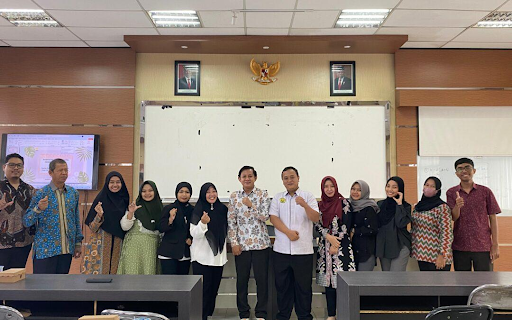
Qualified teachers play an essential role in delivering quality education and supporting students' learning needs. To contribute to this goal, Universitas Jember (UNEJ), through its Faculty of Teacher Training and Education (FKIP), prepares future educators and supports practicing teachers in improving their academic and professional qualifications. Its initiatives include the Primary School Teacher Education (PGSD) program, Professional Teacher Education (PPG), and Recognition of Prior Learning (RPL).
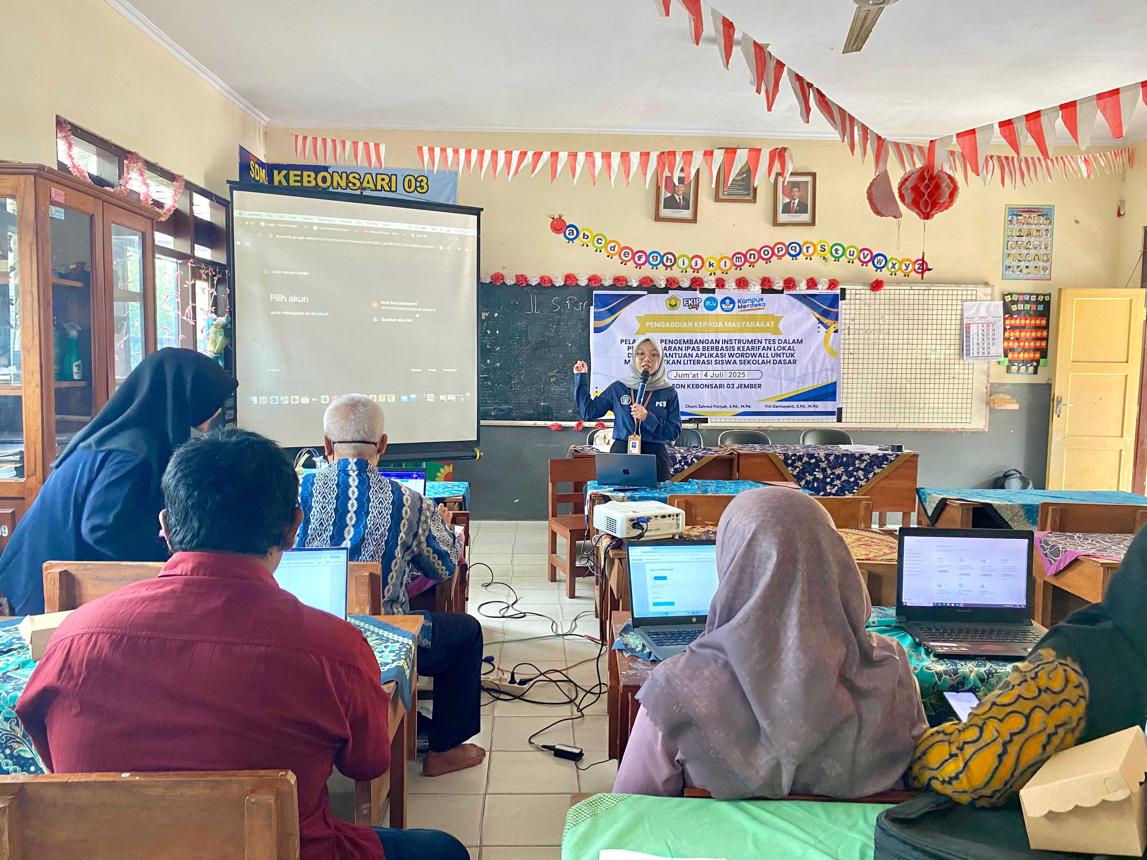
The PGSD program at UNEJ demonstrates strong graduate outcomes in preparing educators for elementary schools. In 2025, approximately 98% of its graduates worked as elementary school teachers or continued their studies at the master's level or through the Professional Teacher Education (PPG) program. The program also develops students' teaching competencies through an Outcome-Based Education (OBE) curriculum designed to support professional development and innovative learning practices.
UNEJ further supports the development of qualified teachers through its Professional Teacher Education (PPG) program under FKIP. Operating since 2018, the program offers professional training in ten subject areas, including elementary education, English, mathematics, science, and economics. Through pre-service and in-service pathways, PPG helps prospective and practicing teachers develop their pedagogical, professional, social, and personal competencies to meet the demands of the teaching profession.
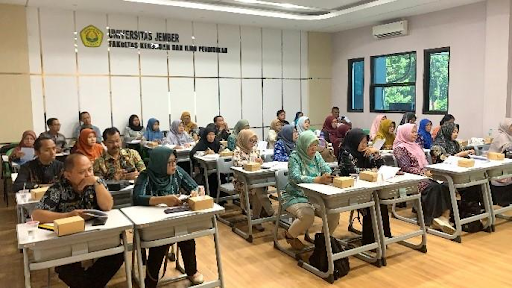
In addition to preparing future educators, UNEJ supports practicing teachers who need to meet formal academic qualification requirements. On August 23, 2025, PGSD UNEJ was appointed by the Ministry of Primary and Secondary Education as one of the institutions delivering the Recognition of Prior Learning (RPL) program to help teachers fulfill the required bachelor's degree or applied bachelor's degree qualification (S-1/D-4). As part of this initiative, PGSD UNEJ held an online coaching clinic attended by 63 elementary school teachers participating in the program.
The RPL program recognizes teachers' professional experience and prior learning, allowing relevant achievements to be converted into academic credits toward completing their undergraduate qualifications. This approach provides a more flexible pathway for practicing teachers to meet formal education requirements while building on their existing teaching experience.
Through its PGSD program, professional teacher education, and RPL initiatives, UNEJ helps prepare qualified educators and supports teachers' professional development. These efforts strengthen the teaching workforce and support the broader goal of improving education quality.
References:
4.3.1 Public Resources (Lifelong Learning)
Jember University Expands Lifelong Learning Opportunities Through Open Educational Resources and Public Programs
Learning opportunities should extend beyond formal classrooms and university degree programs. Universitas Jember (UNEJ) supports lifelong learning by providing digital educational resources, free academic webinars, public lectures, and language training programs. These initiatives offer students and the wider community opportunities to develop their knowledge and skills at different stages of life.
UNEJ provides access to Open Educational Resources (OER) through its university library. According to the library's official website, the OER platform offers 11,681 e-books that users can access anytime, anywhere. This digital collection allows users to explore educational materials independently, supporting flexible learning beyond traditional classroom settings.
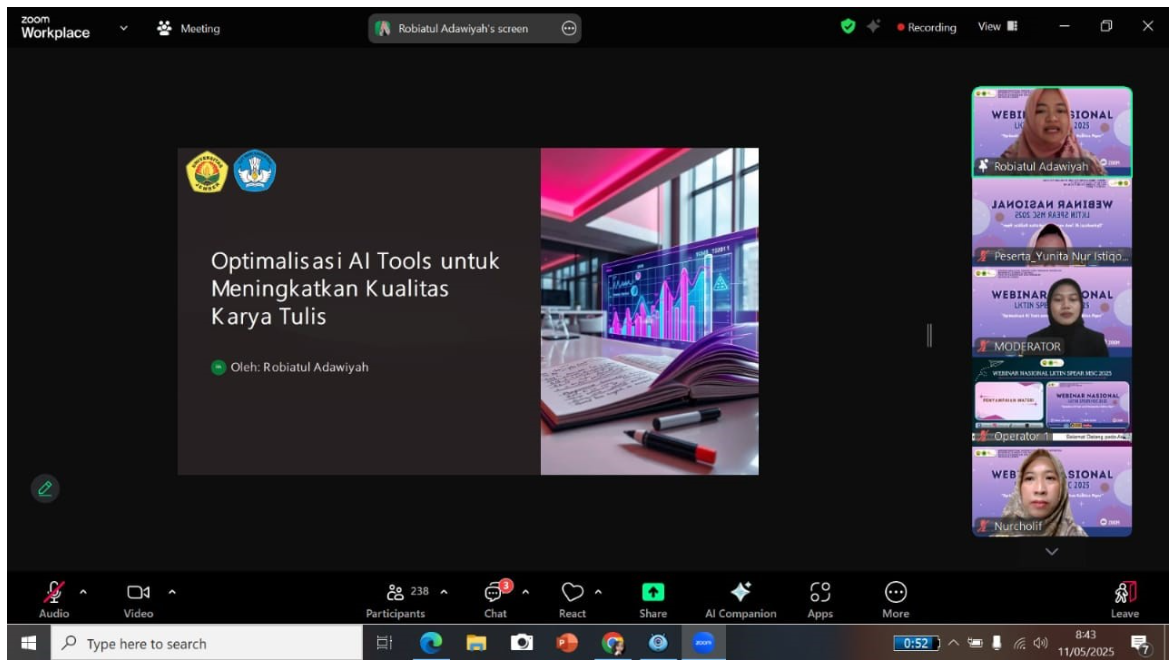
UNEJ also offers free academic learning opportunities through the Faculty of Teacher Training and Education (FKIP). On May 11, 2025, FKIP's Mathematics Science Club organized a national webinar on optimizing artificial intelligence (AI) tools to improve academic writing. Open to the public with no registration fee, the webinar introduced participants to the effective and ethical use of AI tools in scientific writing. The activity gave students, lecturers, teachers, researchers, and other interested participants an opportunity to develop their academic and digital literacy skills.

In addition, FKIP's Undergraduate Science Education Program organized the N-Conference VI public lecture and national seminar on October 18, 2025. The event explored the development of a Science Education 5.0 learning ecosystem by integrating deep learning, technology, and society. Speakers discussed meaningful learning approaches and the use of machine learning in science education, highlighting opportunities to connect educational theory with technological developments. The event brought together lecturers and undergraduate students to explore innovative approaches to science learning.
UNEJ also extends lifelong learning opportunities through language training offered by its Academic Support Unit for Languages (UPA Bahasa). since 2025, the unit opened language courses to the wider community, including English, Japanese, Mandarin, French, German, Korean, Dutch, and Arabic. The programs serve not only university students and staff but also school pupils and members of the public. By offering courses at relatively affordable prices and adapting learning activities to participants' proficiency levels, UPA Bahasa helps make language education more accessible to different groups.
Through its OER collection, free academic webinars, public lectures, and language courses, UNEJ provides diverse opportunities for continuous learning. These initiatives support access to educational resources and skill development beyond formal education, contributing to a learning environment that serves both the university community and the wider public.
References:
4.3.2 Public Events (Lifelong Learning)
Jember University Expands Public Learning Opportunities Through Courses, Webinars, and Community Engagement
Lifelong learning extends beyond university classrooms, offering people opportunities to develop new skills, explore important social issues, and learn from real-world experiences. Universitas Jember (UNEJ) supports public learning through language courses, educational webinars, sustainability festivals, and community-based activities. These initiatives give people from different backgrounds opportunities to gain knowledge and skills outside formal education.
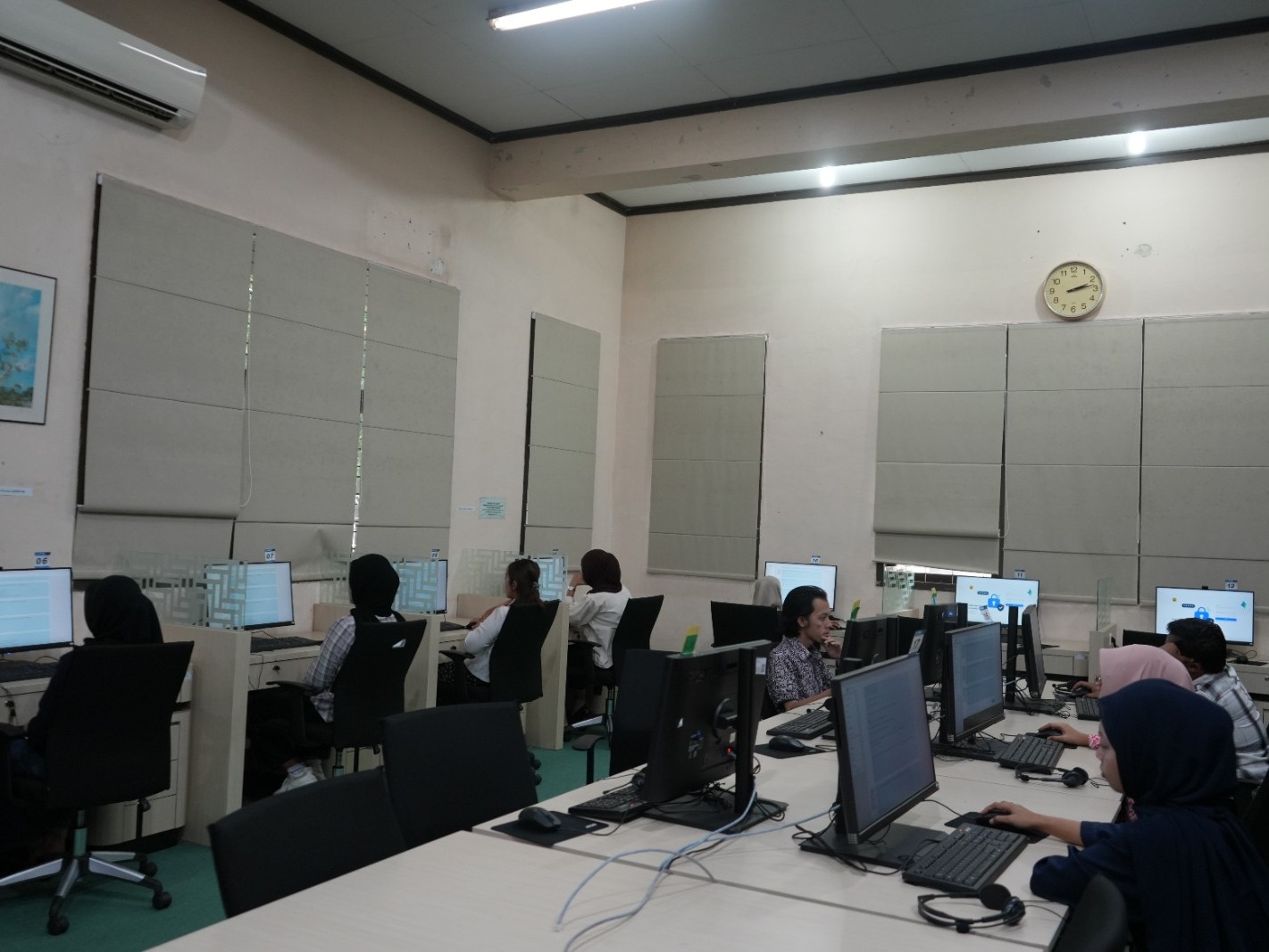
UNEJ offers language training programs through its Academic Support Unit for Languages (UPA Bahasa), which are open not only to university students and staff but also to school pupils and the general public. In May 2025, UPA Bahasa announced courses in English, Japanese, Mandarin, French, German, Korean, Dutch, and Arabic. The courses are designed to accommodate different proficiency levels and learning needs, providing community members with opportunities to improve their communication skills and prepare for further education or employment.
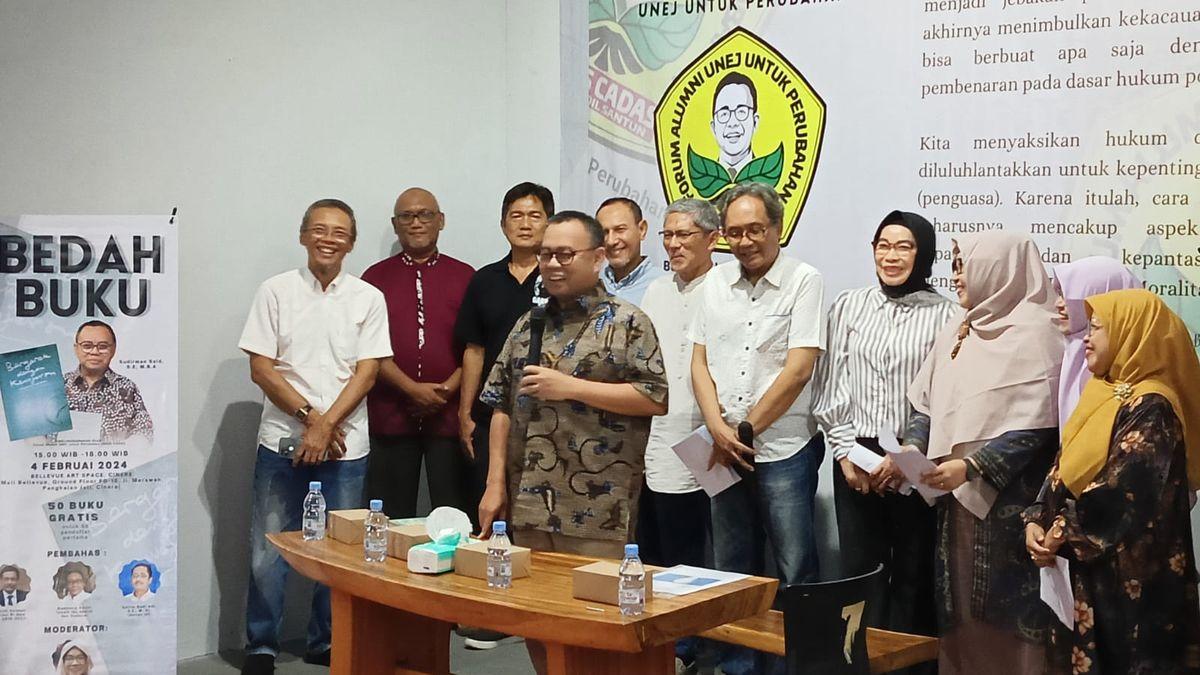
UNEJ also promotes public education through discussions of social issues. On June 6, 2025, its Center for Gender Studies, in collaboration with YAPPIKA and SEPAHAM, organized a webinar titled “Building Gender-Responsive Civil Society for Democratic Resilience.” The event brought together students, civil society activists, human rights advocates, academics, and members of the public from across Indonesia. It explored the relationship between gender equality, civil society participation, and democratic resilience, providing participants with opportunities to deepen their understanding of these issues.
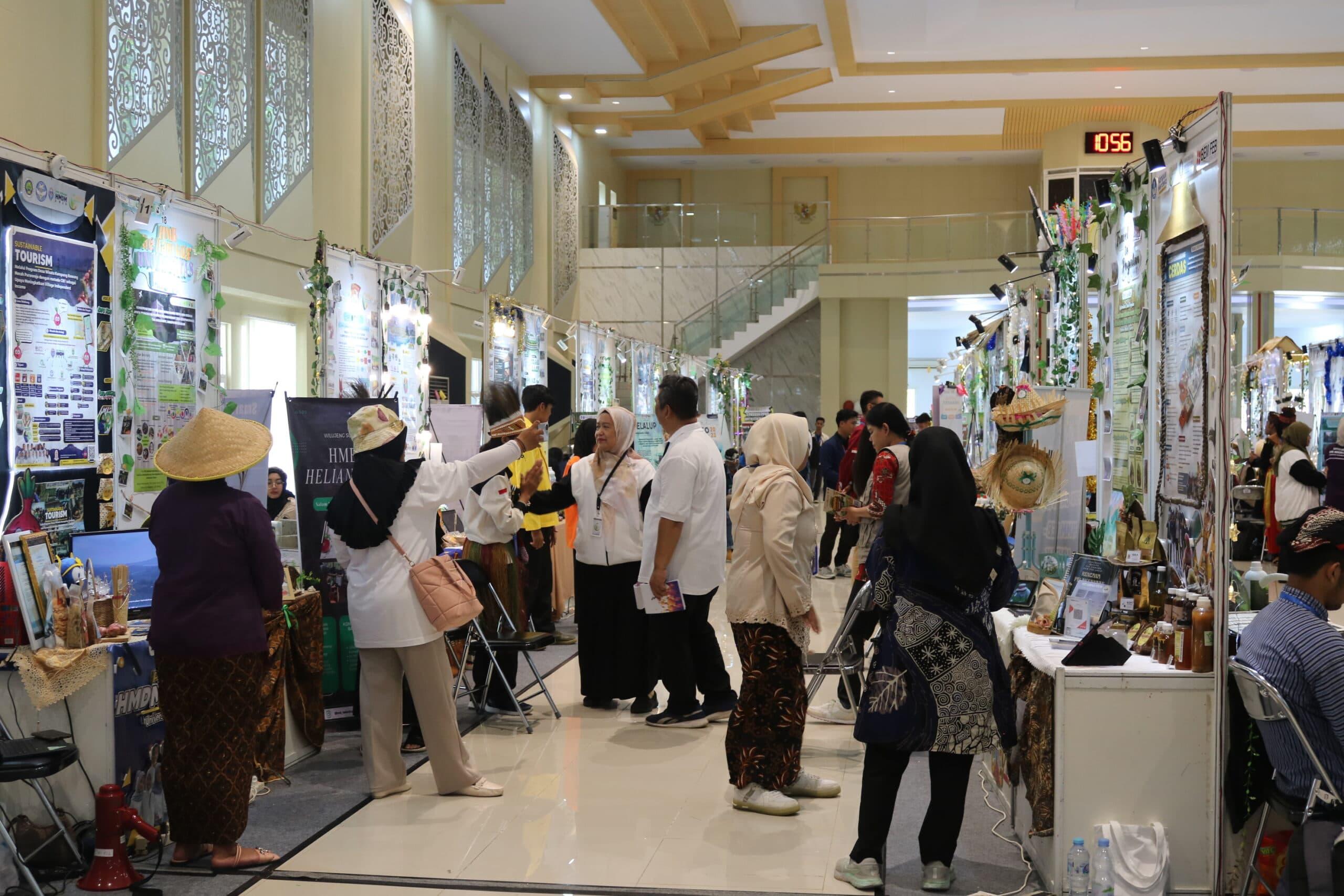
Public learning is also encouraged through sustainability-related events. On November 27–29, 2025, UNEJ's SDGs Center, in collaboration with the Indonesian SDGs Village Development Center and the UNEJ Alumni Association, organized the UNEJ SDGs Festival 2025 as part of the university's 59th anniversary celebrations. The event featured discussions on sustainable development and a tree-planting initiative across several UNEJ locations. It provided a platform for academic and community stakeholders to exchange ideas and strengthen awareness of the Sustainable Development Goals (SDGs).
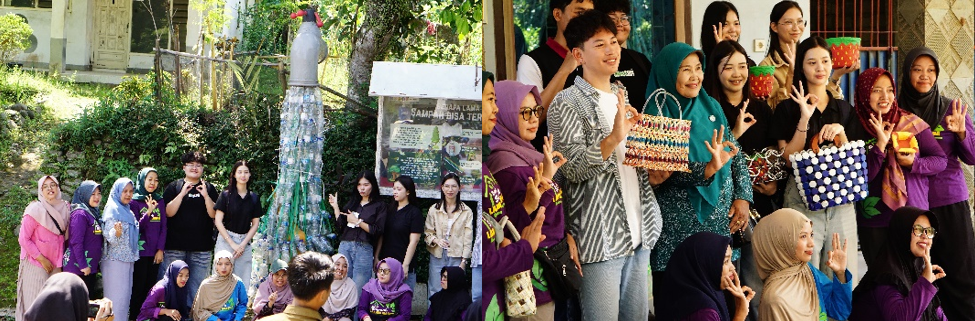
UNEJ further connects learning with community development through international collaboration. In June 2025, the Faculty of Agriculture partnered with Mahasarakham University in Thailand to conduct an international community service program in Suci Village, Panti District, Jember. The activities introduced participants to local agricultural potential, small business development, and community-based environmental management. Through lectures and field visits to local businesses and a community waste bank, the program demonstrated how practical experiences can support knowledge exchange and sustainable rural development.
Through its language courses, public webinars, sustainability events, and community engagement initiatives, UNEJ creates opportunities for learning beyond formal education. These activities encourage people to develop practical skills, broaden their understanding of social and environmental issues, and participate in knowledge-sharing activities that support lifelong learning.
References:
4.3.3 Vocational Training Events
Jember University Strengthens Vocational Skills Through Professional Certification and Career Training
Throughout 2025, the University of Jember (UNEJ) actively promoted community empowerment through vocational training and practical skills development. These initiatives covered digital entrepreneurship, e-commerce, tourism management, waste processing, environmentally friendly product manufacturing, and small business development. Delivered through community engagement programs and faculty-led initiatives, the training provided local residents, micro-enterprise owners, and community groups with practical knowledge and technical skills to improve economic productivity, entrepreneurial capacity, and livelihood sustainability.
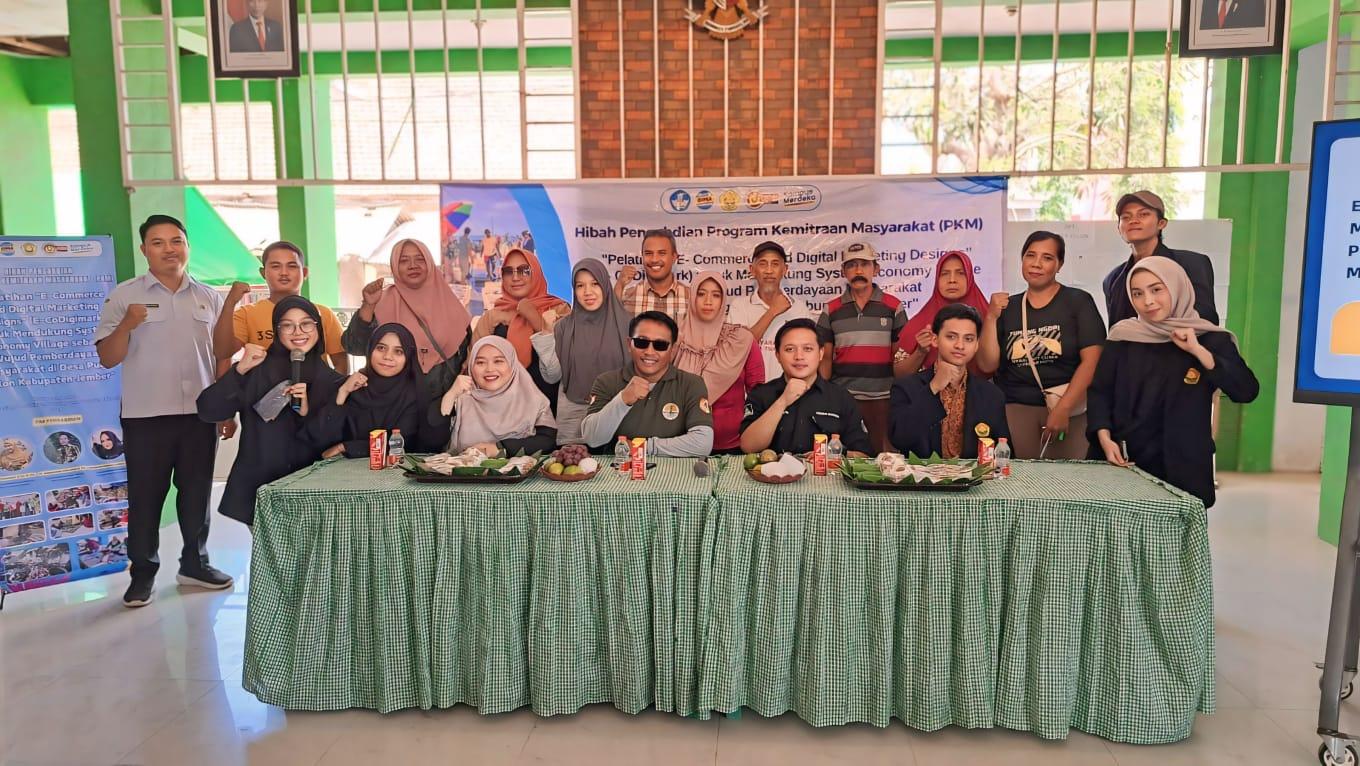
E-Commerce and Digital Marketing Training for Puger Kulon Village-Owned Enterprises (BUMDes)
On September 23, 2025, the University of Jember (UNEJ), through its 2025 Directorate of Research and Community Service (DPPM) community engagement team, organized an e-commerce and digital marketing training program for the managers of Puger Kulon Village-Owned Enterprises (BUMDes) and local business owners in Puger Kulon Village, Jember, East Java. The program aimed to strengthen the digital capabilities of local entrepreneurs by providing practical knowledge and skills in utilizing e-commerce platforms, digital marketing strategies, and online product promotion. It also focused on leveraging digital technologies to promote local MSME products and develop the village's tourism potential. Through this initiative, participants were encouraged to expand their market reach, improve business competitiveness, and enhance the economic potential of the local community. The activity reflects UNEJ's commitment to empowering rural communities through practical vocational training, digital literacy development, and sustainable local economic development.
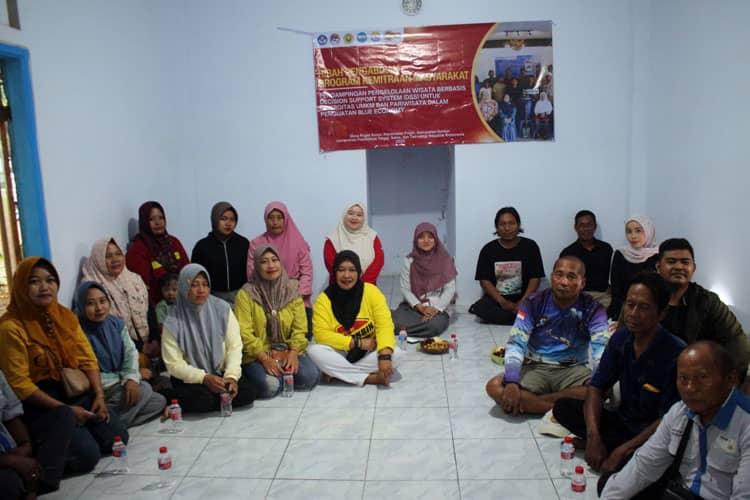
Tourism Package Development Training for Pokdarwis in Puger Kulon Village
On September 30, 2025, the Faculty of Teacher Training and Education (FKIP) of the University of Jember (UNEJ), through its community service team, conducted tourism development training for the Tourism Awareness Group (Pokdarwis) in Puger Kulon Village, Jember, East Java. The training focused on developing tourism packages, outbound activities, local souvenirs, traditional culinary products, and tourism promotion. The program aimed to strengthen the community's skills in managing and promoting Pantai Pancer as a local tourism destination while supporting sustainable village tourism and community-based economic development.
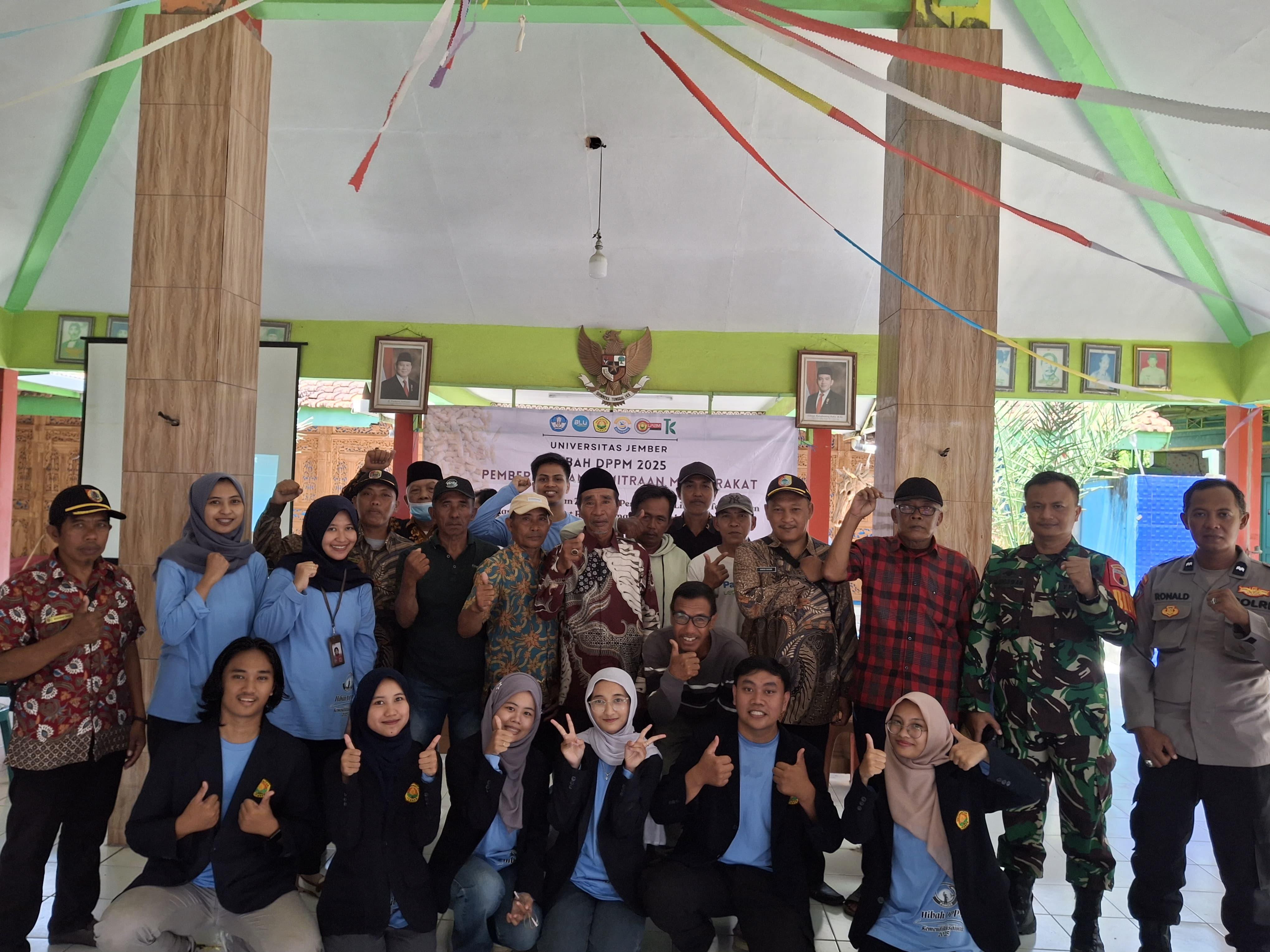
Coconut Waste Processing Training for Improving Economic Value
On June 12, 2025, the University of Jember (UNEJ), through the Community Development Program team of its Faculty of Agricultural Technology, conducted a community training program in Banjarsengon Village, Jember, East Java. The training focused on processing coconut residue into economically valuable products, particularly animal feed and organic fertilizer. Local residents participated in hands-on activities to build skills in waste utilization and environmentally friendly production. The initiative aimed to reduce agricultural waste, create new income-generating opportunities, and promote sustainable community-based economic development.
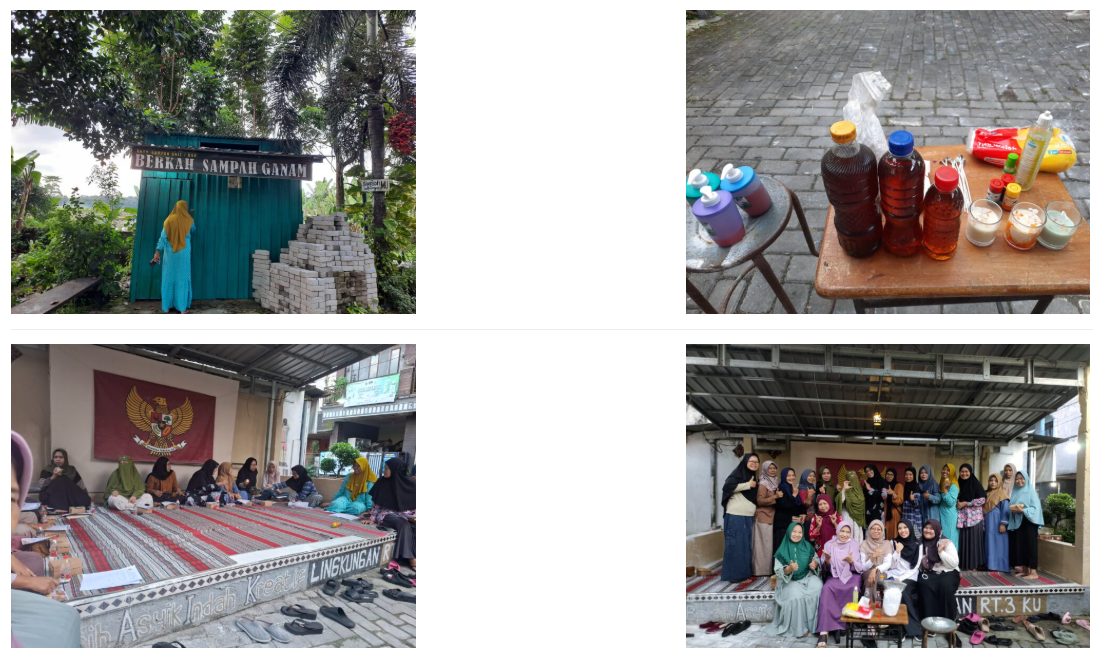
Training on Producing Aromatherapy Candles and Liquid Soap from Used Cooking Oil
In June 2025, the Department of Chemistry, Faculty of Mathematics and Natural Sciences (FMIPA), University of Jember (UNEJ), organized a community training program at the RW 036 Waste Bank in Taman Gading Housing Complex, Kaliwates, Jember, East Java. The program involved members of the Family Welfare Movement (PKK) and local residents in practical training on converting used cooking oil into aromatherapy candles and liquid soap. The initiative aimed to develop practical production skills, promote waste recycling and environmental awareness, and create potential income-generating opportunities through circular economy practices.

Digital Skills Training and Seafood Product Processing in Warimak Village
From July to August 2025, students from the University of Jember (UNEJ), through the Community Service Program (KKN), conducted community empowerment activities in Warimak Village, Raja Ampat, Southwest Papua. The program involved coastal communities, fishermen, and local MSME owners in practical training on financial literacy, cooperative management, smoked crab processing, and product marketing. The initiative aimed to strengthen local economic skills, improve the value-added potential of marine products, and promote sustainable livelihoods and economic independence among coastal communities.
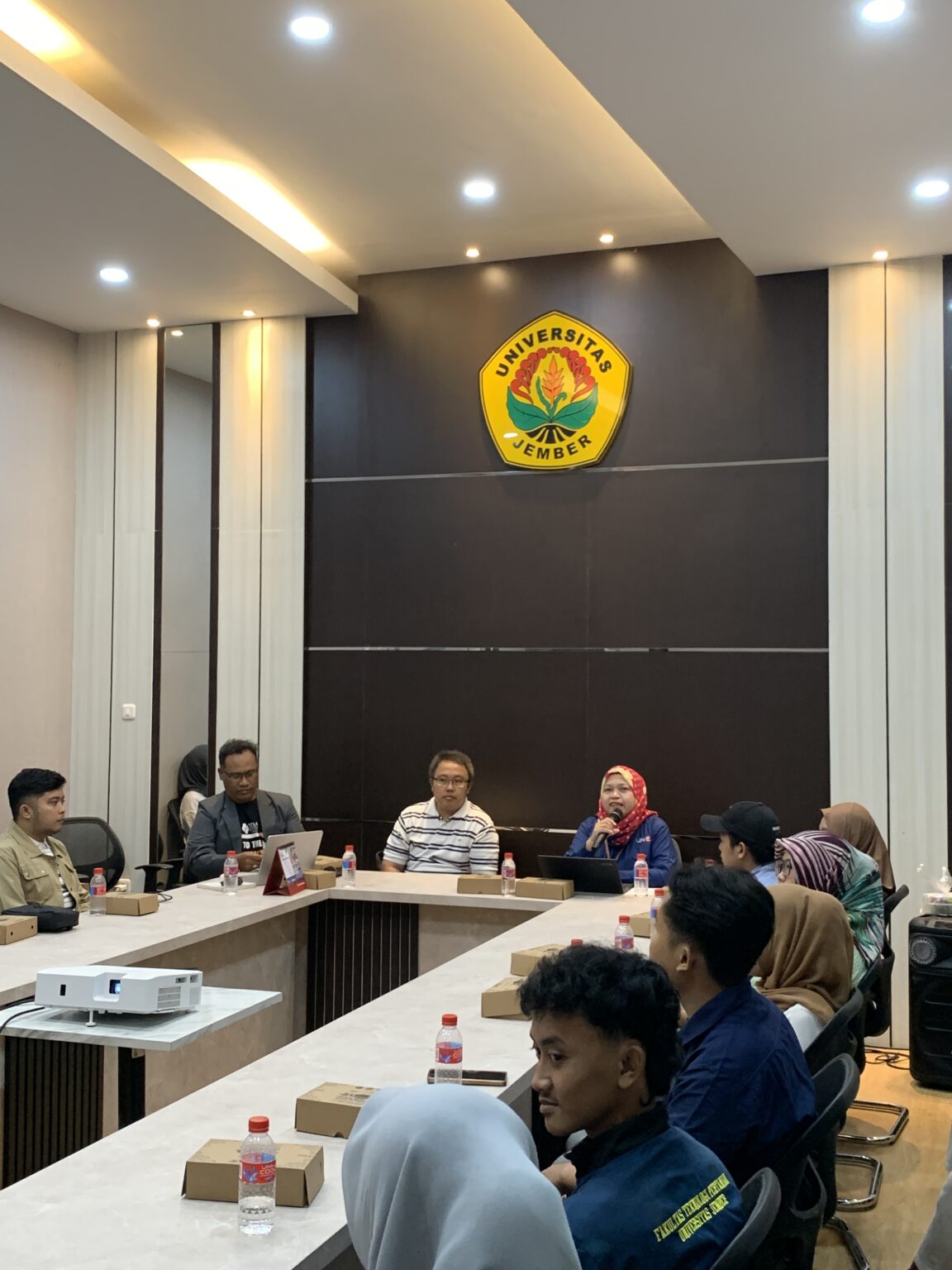
Universitas Jember Strengthens Digital and Technology Skills Through Professional Certification and Courses
Universitas Jember (UNEJ) supports students’ career readiness by providing professional certification and practical skills training through its certification programs and technology courses, which help students develop competencies that can support their transition from education to the workplace. UNEJ’s Information and Communication Technology Support Unit (UPA TIK) provides professional skills certification in the technology field, serving as an official validation of participants’ competencies and giving them added value that is recognized in both academic and professional settings, with the service open not only to the academic community but also to the public. In addition to certification, UPA TIK offers technology courses to develop practical digital skills, focusing on skills that are in high demand in industry today and guided by professionals to ensure participants gain a comprehensive understanding and job-ready skills. The areas covered include programming, visual design, server administration and management, and website development and management, along with other relevant information technology topics. Through professional certification and skills courses, UNEJ provides opportunities for students to strengthen their practical competencies and prepare for the workplace, demonstrating the university’s efforts to connect higher education with professional skills development and workplace needs.
Reference:
4.3.4 Education Outreach Activities Beyond Campus
Beyond the Classroom: Universitas Jember Brings Learning to Communities

Teaching Assistance Program (ASJAR) Socialization for the 2025/2026 Academic Year
On August 28, 2025, the Faculty of Teacher Training and Education (FKIP), University of Jember (UNEJ), organized an online socialization program on the Teaching Assistance (Asistensi Mengajar/ASJAR) initiative for the first semester of the 2025/2026 academic year. Conducted via Zoom, the program involved 115 school mentor teachers and external supervisors from partner schools and non-formal educational institutions across Jember and Bondowoso Regencies. The session was facilitated by Dr. Iwan Wicaksono, S.Pd., M.Pd., Head of the KKPLP Laboratory, and Dr. Supeno, S.Pd., M.Si., Chair of the MBKM Team at FKIP UNEJ. The program aimed to prepare external mentors to guide university students in collaborative teaching and learning activities, strengthen partnerships between the university and educational institutions, and equip future graduates with practical teaching experience and professional competencies relevant to current educational needs.
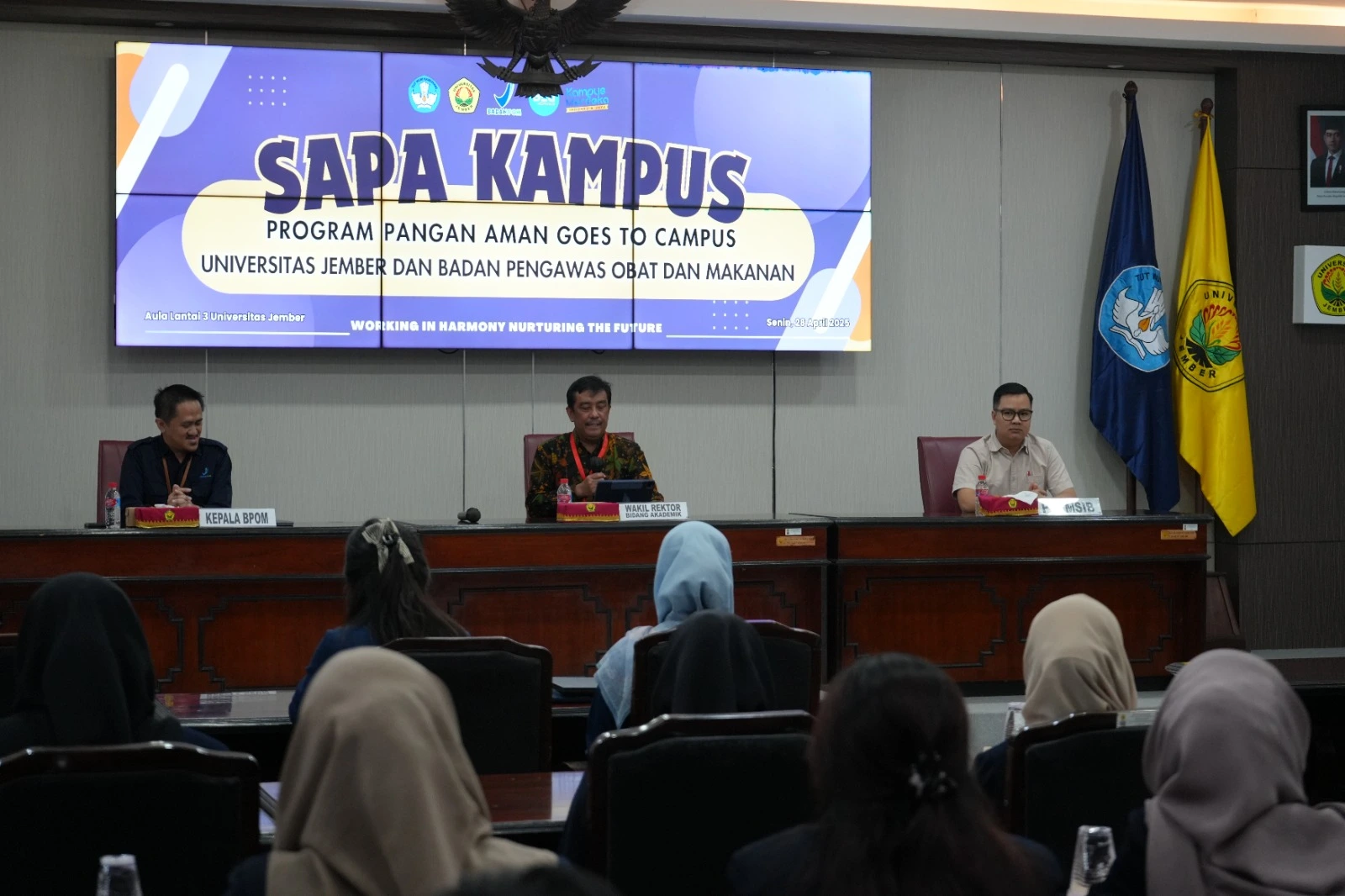
Safe Food Training and Community Facilitation Program
On April 28, 2025, the University of Jember (UNEJ), in collaboration with BPOM, prepared 20 students as safe food facilitators for local food-processing MSMEs. The training covered food safety standards and proper food-handling practices. Participants subsequently assisted MSMEs across five regencies in improving food safety and product quality. The program aimed to strengthen food safety awareness and the capacity of local food entrepreneurs.
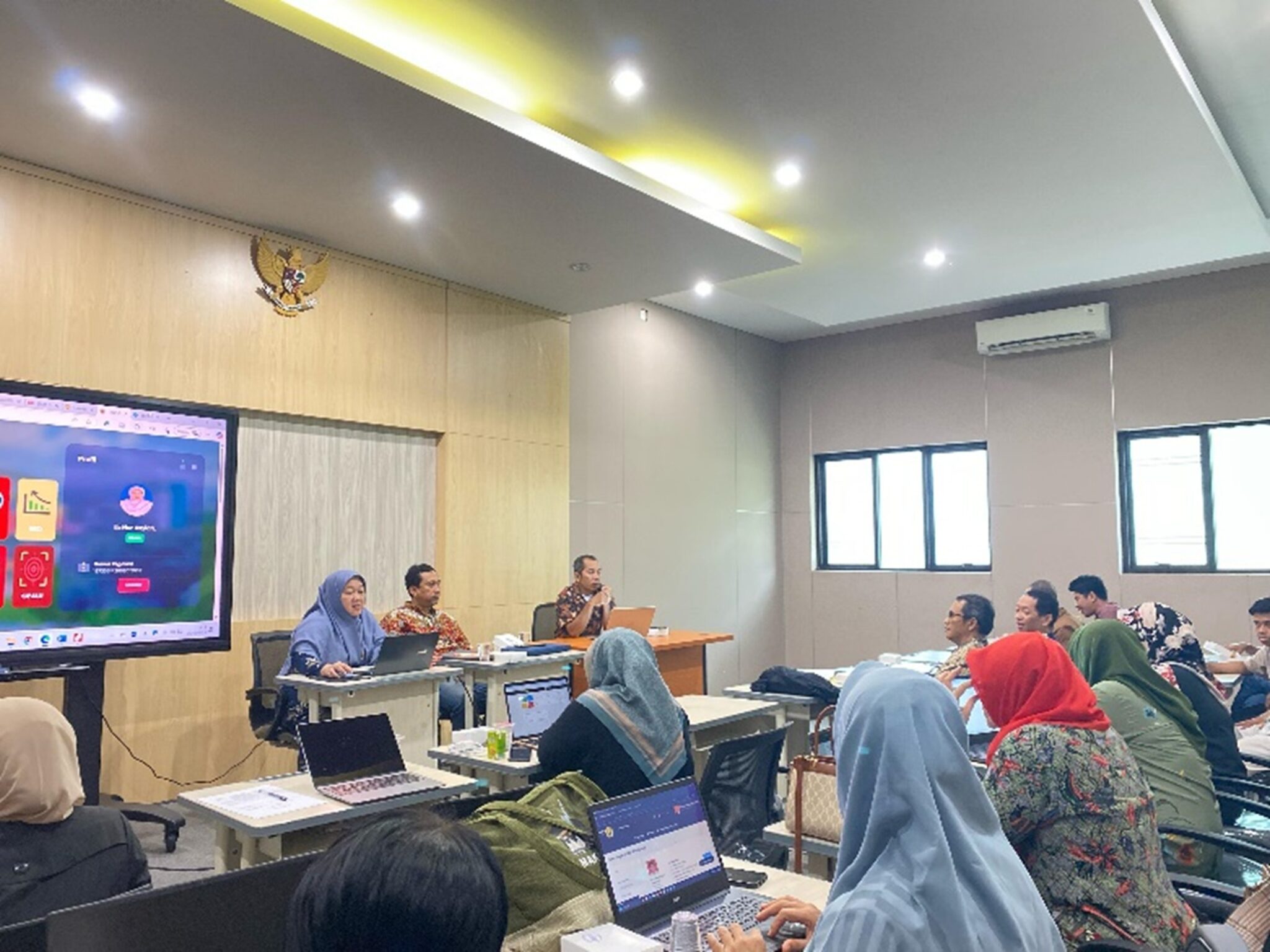
Monitoring and Evaluation of the Merdeka Belajar Kampus Merdeka (MBKM) Program
From February 26 to March 4, 2025, the University of Jember (UNEJ), through its Institute for Educational Development and Quality Assurance (LPMPP), conducted monitoring and evaluation of the Merdeka Belajar Kampus Merdeka (MBKM) program across several faculties. The activity involved faculty leaders, MBKM coordinators, academic supervisors, and participating students. The evaluation focused on assessing program effectiveness, students' practical skills development, professional networking, and implementation challenges. The initiative aimed to continuously improve the quality of experiential learning, strengthen collaboration with external partners, and enhance students' readiness for the professional world.
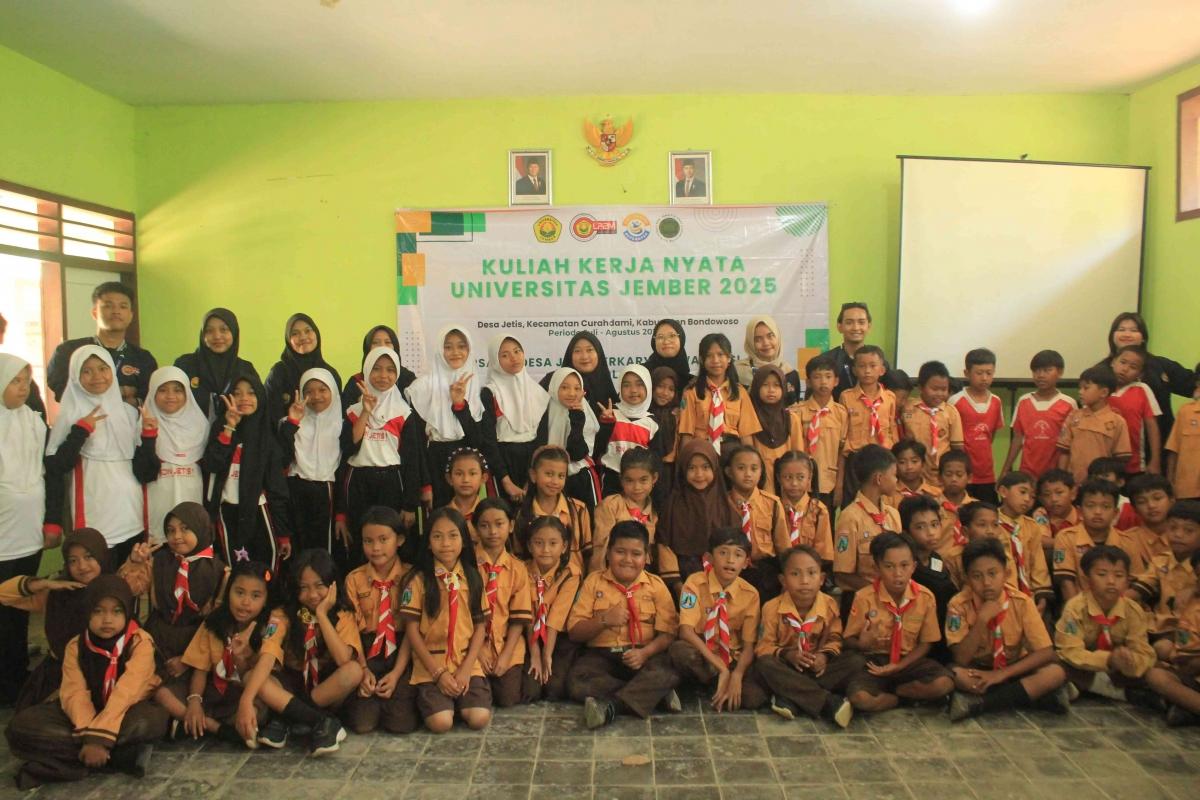
Digital Learning Training through Culturally Responsive E-LKPD Development for Teachers in Bondowoso
On 6 October 2025, the University of Jember (UNEJ) conducted training on developing Electronic Student Worksheets (E-LKPD) based on Culturally Responsive Teaching for 28 teachers from the Taman Ilmu Teachers’ Group in Bondowoso. The training strengthened teachers’ skills in using digital tools, such as Canva and Liveworksheets, to integrate literacy, numeracy, and local culture into engaging and meaningful learning activities. This initiative supports SDG 4 (Quality Education) by enhancing teacher competencies and promoting inclusive, context-based education.
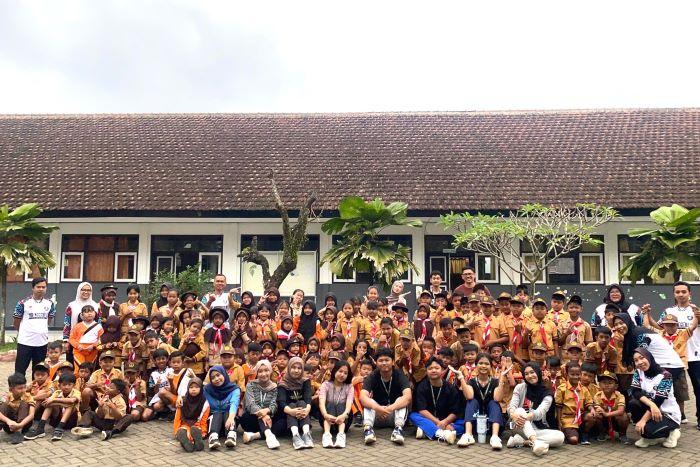
SIJARI: Empowering Elementary School Students as 3R Environmental Champions
On 11 October 2025, students from the E-Healthy Study Group, Faculty of Public Health, University of Jember (UNEJ), organized the SIJARI program at SDN 09 Sumberejo, Ambulu, Jember. The program engaged 100 fourth- and fifth-grade students in environmental education, focusing on the principles of Reduce, Reuse, and Recycle (3R), waste sorting, and hands-on recycling activities. This initiative aimed to enhance students’ environmental knowledge, practical skills, and awareness from an early age, contributing to SDG 4 (Quality Education) through experiential and sustainability-oriented learning.
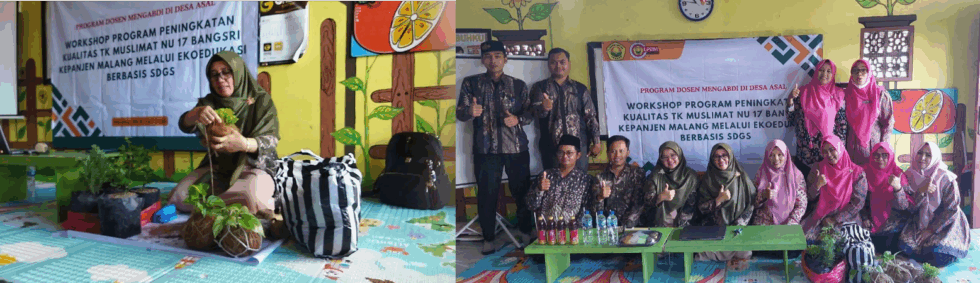
SDGs Eco-Education and Fun English for Early Childhood Education
In August 2025, lecturers from the Biology Education Program, Faculty of Teacher Training and Education, University of Jember (UNEJ), conducted a community engagement program at TK Muslimat NU 17 Bangsri, Kepanjen, Malang. The program introduced young children to sustainable development through hands-on environmental activities, including making kokedama (plant balls), as well as basic English learning through songs, games, and flashcards. Teachers also received training in innovative teaching methods and school garden development. This initiative supports SDG 4 (Quality Education) by promoting engaging early childhood education, environmental awareness, and teachers’ professional development.
Reference:
https://unej.ac.id/blog/2026/07/10/2-385-mahasiswa-unej-berangkat-ikuti-kkn/
https://unej.ac.id/wp-content/uploads/2022/11/Pedoman-MBKM-UNEJ-2021.pdf
https://unej.ac.id/blog/2025/04/28/20-mahasiswa-unej-disiapkan-jadi-fasilitator-pangan-aman/
https://lpmpp.unej.ac.id/unej-perkuat-implementasi-mbkm-dengan-evaluasi-berkelanjutan/
4.3.5 Lifelong Learning Access Policy
Learning for Life: Jember University Opens Learning Opportunities to the Wider Community
Learning should not be limited by age, educational background, or the completion of a formal degree. Recognizing the importance of continuous learning, Jember University (UNEJ) offers students and the wider community opportunities to develop knowledge and skills through language courses, nonformal education, and skills-development activities. These initiatives help make learning more accessible and support individuals in adapting to changing educational, social, and professional needs.
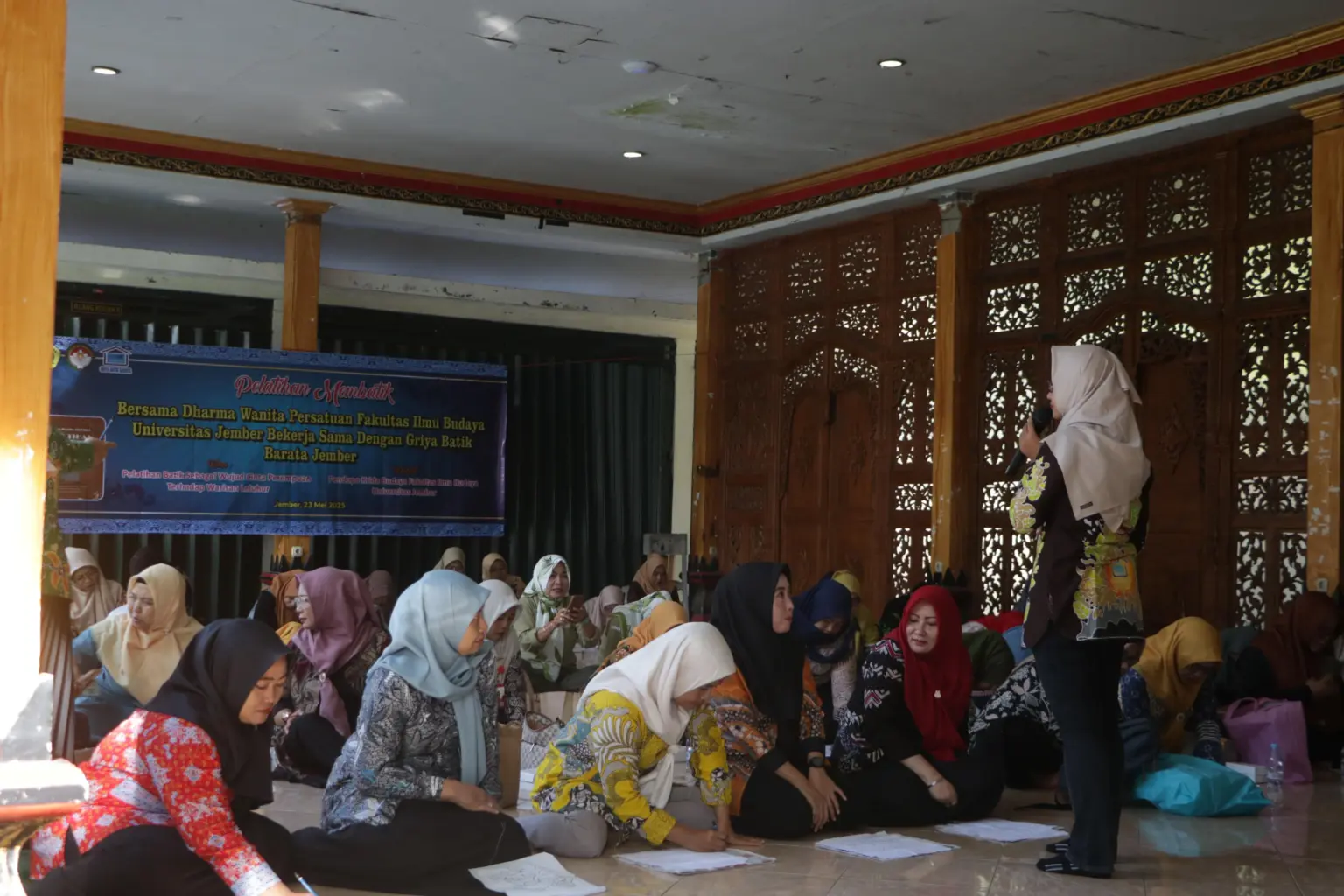
Batik Training: Promoting Lifelong Learning and Preserving Cultural Heritage
On 23 May 2025, the Dharma Wanita Association of the Faculty of Humanities, Jember University (UNEJ), organized a batik training program at the Krida Budaya Hall, Faculty of Humanities. The training welcomed participants from within and outside the faculty and provided hands-on experience in traditional batik techniques, including canting and fabric dyeing. This initiative expanded learning opportunities for the wider community, enhanced practical skills, empowered women, and promoted the preservation of Indonesia’s cultural heritage. It reflects UNEJ’s commitment to lifelong learning by providing opportunities to acquire new knowledge and skills beyond formal education.
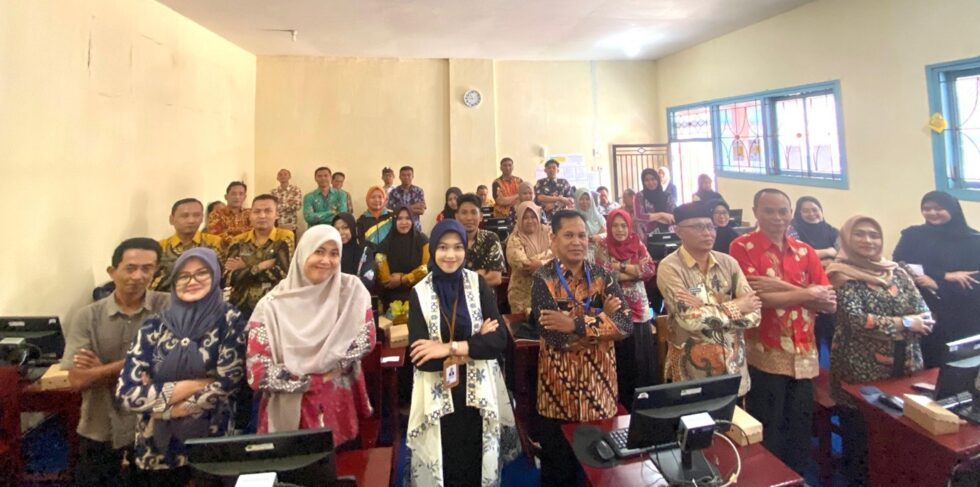
Digital Teaching Skills Development through Culturally Responsive E-LKPD Training for Teachers in Bondowoso
On 6 October 2025, Jember University (UNEJ) organized training on developing Electronic Student Worksheets (E-LKPD) based on Culturally Responsive Teaching for 28 teachers from the Taman Ilmu Teachers’ Group in Bondowoso. The training equipped teachers with practical skills in using Canva and Liveworksheets to integrate literacy, numeracy, and local cultural elements into meaningful classroom activities. Follow-up mentoring through a WhatsApp group also supported continued learning and knowledge sharing. This initiative promotes lifelong learning by expanding access to professional development and strengthening teachers’ digital and pedagogical competencies.
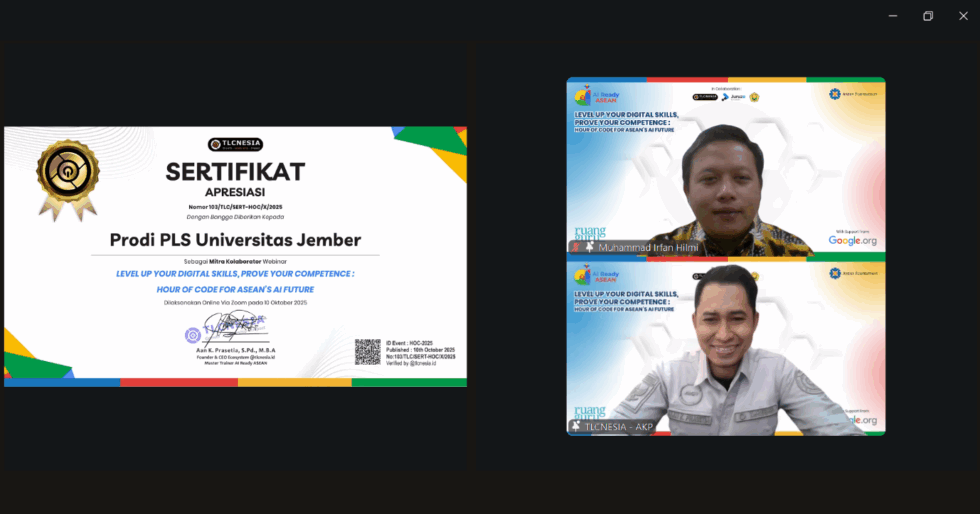
National Webinar and BNSP Training: Strengthening Lifelong Learning and Future Digital Skills
On 10 October 2025, the Faculty of Teacher Training and Education, University of Jember (UNEJ), organized a national webinar entitled “Level Up Your Digital Skills, Prove Your Competence: Hour of Code for ASEAN’s AI Future.” Held virtually and attended by hundreds of participants, the program highlighted the role of non-formal education in developing skills needed to face technological disruption. Participants explored lifelong learning opportunities through digital education, future-oriented competencies, and practical coding activities. The program introduced essential skills such as critical thinking, creativity, emotional intelligence, artificial intelligence, and programming. By welcoming participants from different age groups and professional backgrounds, this initiative expanded access to digital learning and supported lifelong learning and inclusive skills development.
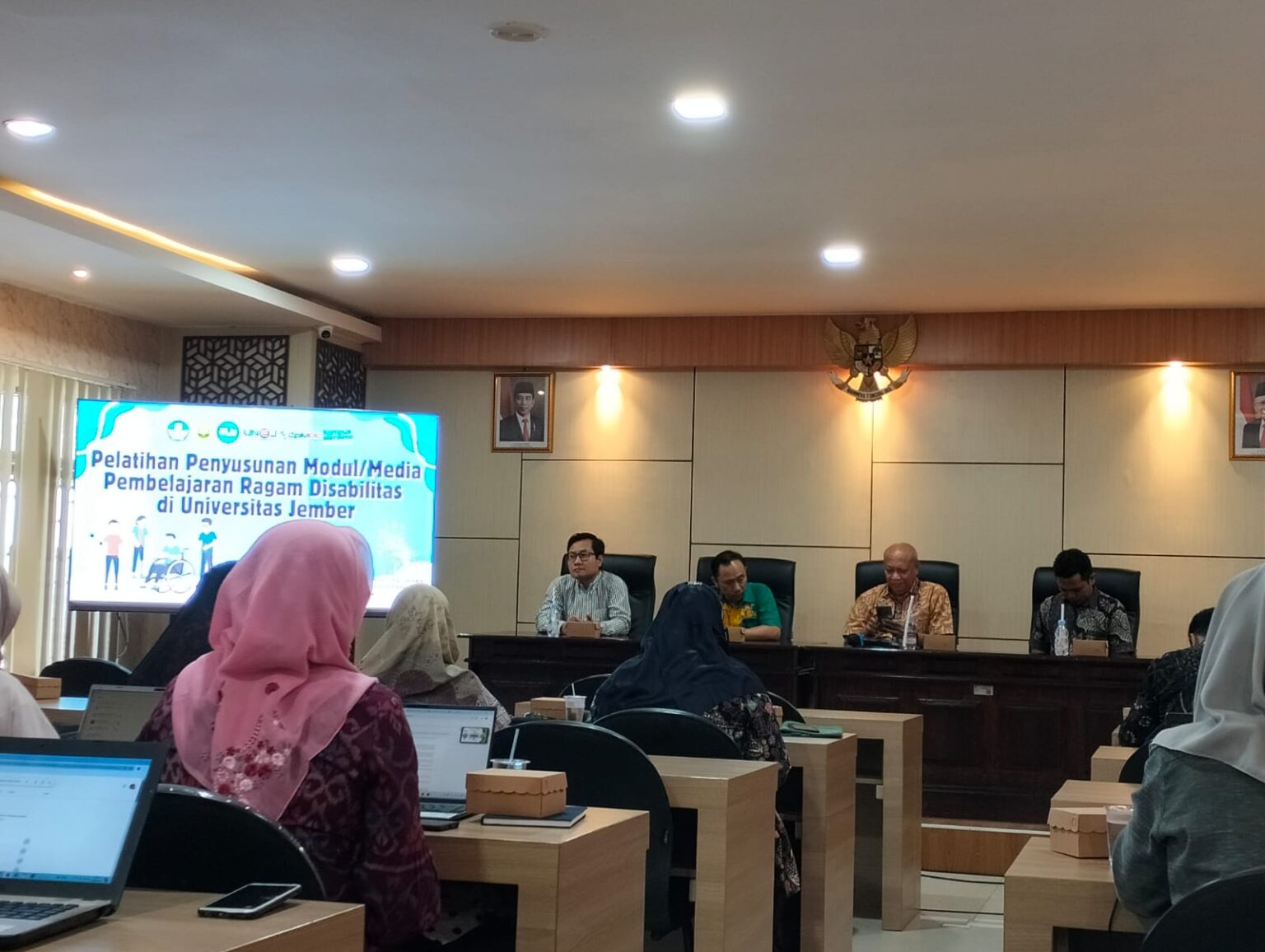
Training on Developing Inclusive Learning Guidelines for Students with Disabilities at the University of Jember
On 18–19 September 2025, the Institute for Educational Development and Quality Assurance (LPMPP), through its Counseling and Disability Services Center (PLKD), University of Jember (UNEJ), organized training on developing learning guidelines for students with diverse disabilities. The program aimed to strengthen inclusive education by developing accessible learning approaches, appropriate educational facilities, and disability-friendly learning materials. It also sought to improve access to academic, administrative, and student services for individuals with disabilities. This initiative demonstrates UNEJ’s commitment to inclusive and equitable quality education, ensuring that students with disabilities have equal opportunities to learn and achieve their academic potential.
Furthermore, UNEJ is also committed to fostering a diverse, inclusive, and respectful academic community that values differences and promotes equality. Through Rector Regulation No. 3 of 2025 on the Student Code of Ethics, UNEJ reaffirms its commitment to upholding mutual respect, embracing diversity, and ensuring that every member of its academic community is treated with dignity and fairness.
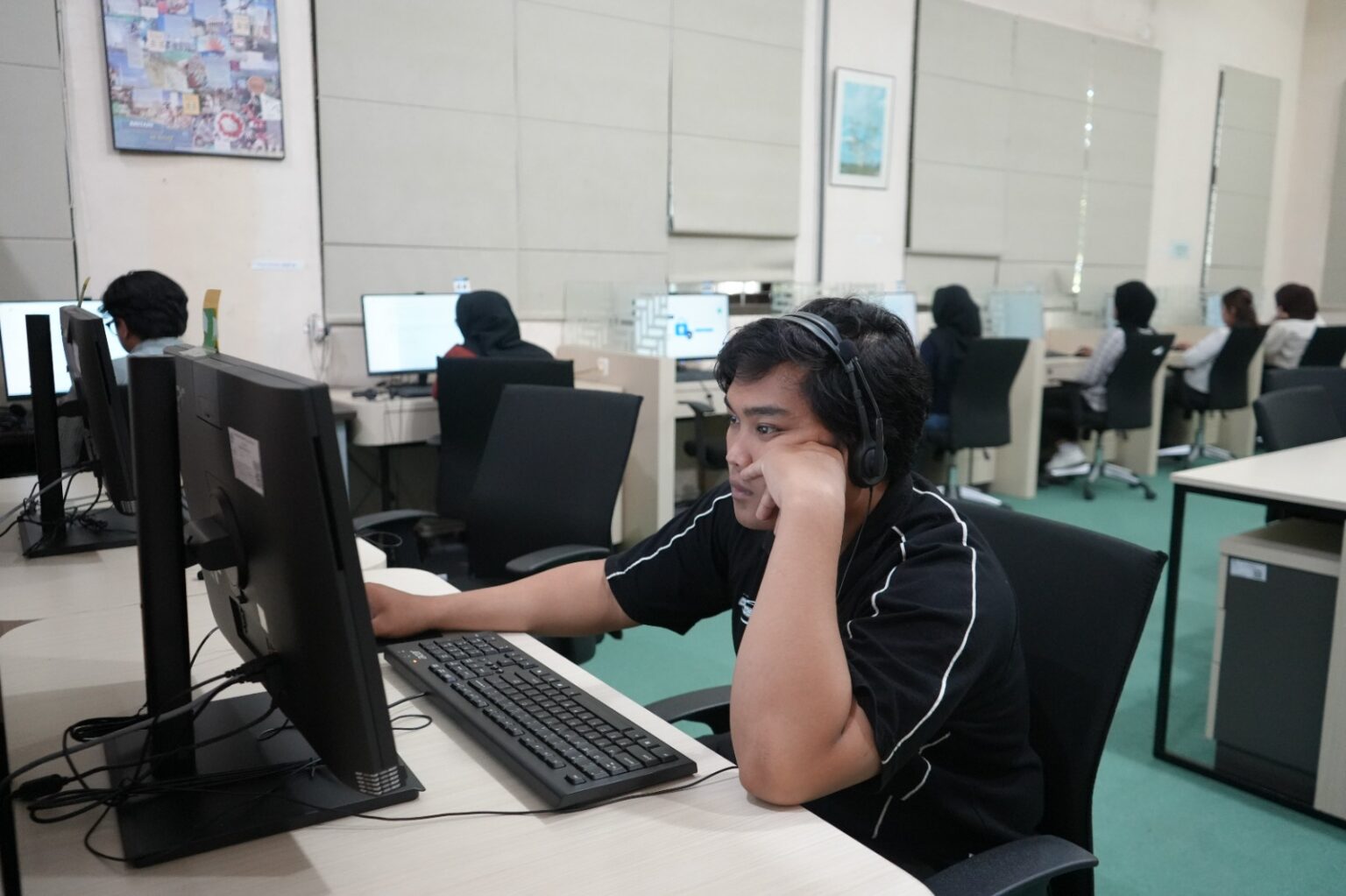
Expanding Lifelong Language Learning Opportunities for the Wider Community
UNEJ’s Academic Support Unit for Languages (UPA Bahasa) continues to improve its TOEFL services by upgrading its systems, facilities, staff capabilities, and participant capacity, working together with UPA TIK and other parties to improve the registration process and prepare the necessary infrastructure. As part of these efforts, UNEJ is increasing its TOEFL capacity from 1,680 to 6,240 participants per month, with tests held at four locations: UPA Bahasa, UPA TIK, LPMPP, and the Health Science & Plant Laboratory IsDB at the ToA Building. Registration at UPA Bahasa, UPA TIK, and LPMPP is already open and available every day, while registration for the ToA Building location was scheduled to open on August 15, 2025. The tests are held from August 19, 2025, onward, every Monday to Thursday except national holidays. Through this expansion, UPA Bahasa aims to run TOEFL more frequently with more participants, with registration continuing to open according to schedule and capacity availability.
References:
4.4.1 Proportion of First-Generation Students
Opening Doors to Higher Education: Jember University Welcomes a New Generation of Students
Access to higher education can create new opportunities for students and their families. Universitas Jember (UNEJ) continues to welcome new students while supporting access to university education, including for those who face financial barriers. However, understanding how many students are the first in their families to attend university requires specific data on students’ family educational backgrounds.
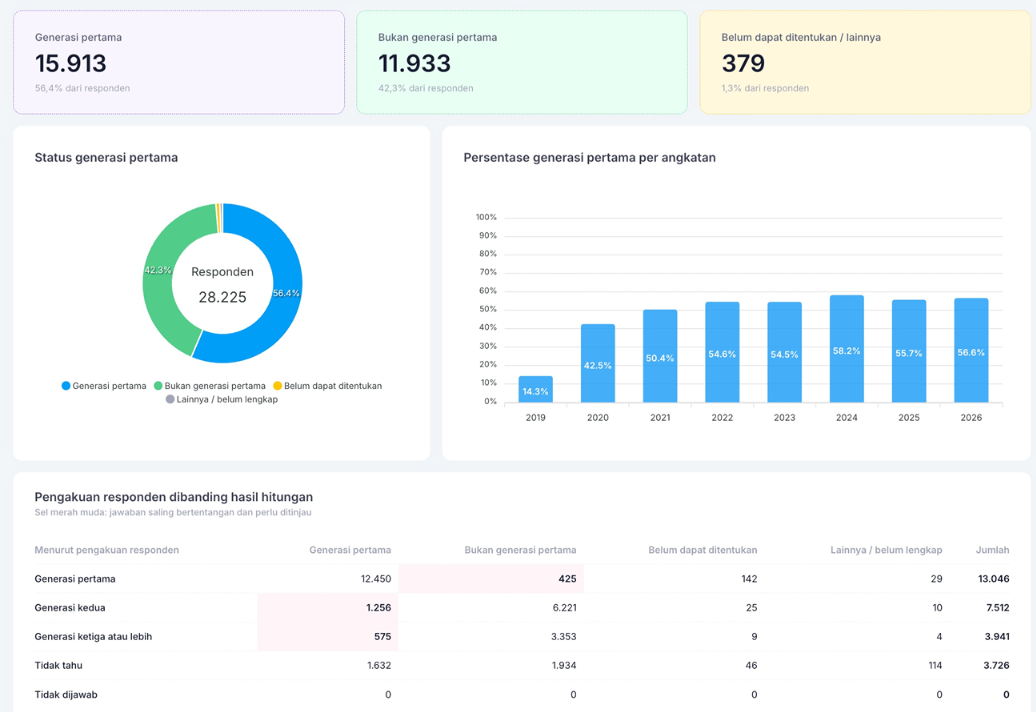
In 2025, 55.7% of Universitas Jember (UNEJ) students were first-generation students, representing individuals who were the first in their families to pursue higher education. This demonstrates UNEJ’s commitment to expanding educational opportunities, promoting inclusiveness, and reducing barriers to university access for students from diverse family backgrounds. This contribution supports SDG 4 (Quality Education) by advancing equitable access to higher education.

Welcoming 9,085 New Students through the 2025 Campus Orientation Program
On 9 August 2025, Universitas Jember (UNEJ) officially welcomed 9,085 new students through its 2025 Student Orientation and Campus Life Introduction Program (PKKMB). The program introduced students to the university's academic environment, helped them develop soft skills, and strengthened their understanding of national values. With students admitted through various pathways, including affirmative admission and international recruitment, UNEJ demonstrated its commitment to expanding access to higher education and fostering an inclusive, diverse, and supportive learning environment. This initiative supports SDG 4 (Quality Education) by promoting equitable access to higher education and preparing students for academic success.
References: