
SDG 16 Universitas Jember 2025
16.2.1 Elected Representation on University Governing Bodies
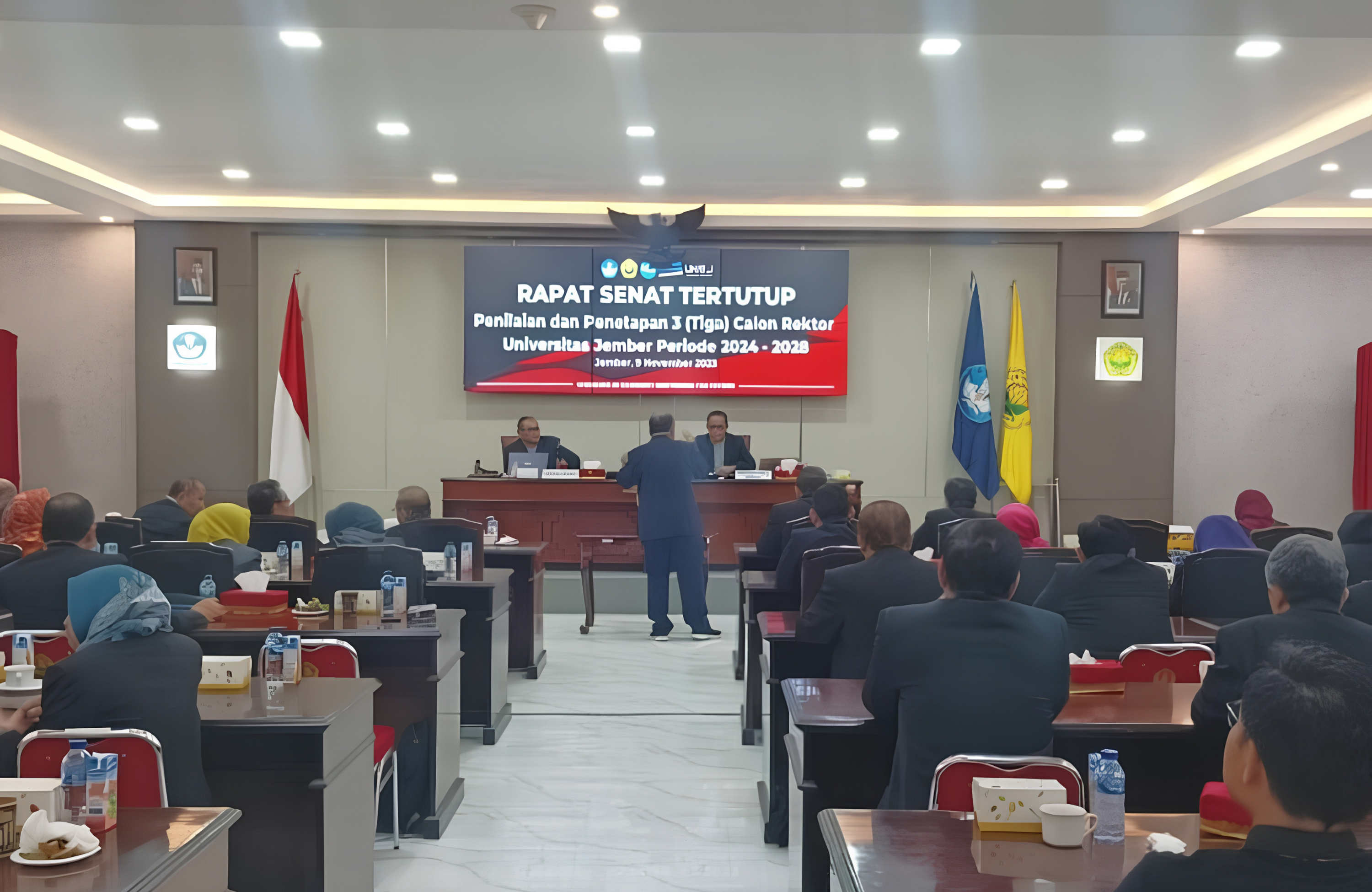
Universitas Jember (UNEJ) involves academic, government, and public representatives in its governing bodies. Since 2020, the UNEJ Statute has established its organs as the University Senate, the Rector, the Internal Audit Unit, and the Board of Patrons (Dewan Penyantun). Since 2021, following UNEJ’s adoption of the Public Service Agency (BLU) financial management model, the Statute has also included a Board of Supervisors (Dewan Pengawas, or Dewas).
University Senate. The Senate sets academic norms and policy and supervises their implementation, including quality assurance, academic freedom, and teaching, research, and community service. It has 84 members, made up of:
up to three professor representatives from each faculty;
two non-professor lecturer representatives from each faculty;
the Rector and Vice Rectors, the Deans, the Director of the Postgraduate School, and the heads of the Research and Community Service Institute (LPPM) and the Learning Development and Quality Assurance Institute (LP3M).
Where a faculty has three or more professors, its professor representatives are elected by the Faculty Senate. The Senate Chair is chosen by the Senate members themselves from three candidates nominated by the Rector, by consensus or, failing that, by vote, with one vote per member. The Chair is Drs. Andang Subaharianto, M.Hum., and the Secretary is Dr. Markus Apriono, M.M.
Board of Supervisors (Dewas). Since 2021, the Dewas has supervised the management of UNEJ as a BLU. It is appointed by the Minister with the approval of the Minister of Finance. It also approves the appointment and dismissal of the Chair of the Internal Audit Unit, which gives it a direct check on UNEJ’s internal oversight. From 1 November 2025, the Dewas has three members from outside the university:
Chair: Dr. M. Hasan Chabibie, S.T., M.Si., Senior Advisor to the Minister for Strengthening the Higher Education Ecosystem, Ministry of Higher Education, Science, and Technology.
Member: Yuna Farhan, Ph.D., Country Director of the International Budget Partnership (IBP) Indonesia, representing civil society.
Member: I Made Ambara Sugama, S.E., M.S.E., Head of the Sub-directorate for BLU Financial Management Development I, Ministry of Finance.
Together they bring government, public financial management, and civil society perspectives to oversight of UNEJ.
Board of Patrons (Dewan Penyantun). Since 2020, the Statute has provided for a seven-member Board of Patrons that advises the Rector on non-academic matters and helps raise funds for UNEJ’s development. Its seats are allocated to one provincial government representative, one regency government representative, two community leaders, one alumni representative, one business representative, and one education expert. This gives local government, society, alumni, and industry a formal voice in the university.
Student participation. Since 2020, the Statute has provided for student organizations at university and faculty levels to channel student participation in university life. At faculty level, for example, the Faculty of Social and Political Sciences (FISIP) held “Critical Youth for Democracy” on 5 November 2025, opened by the Dean and attended by representatives of departmental student associations and other student organizations. The event aimed to build students’ capacity to monitor legislative performance and election integrity, showing active collaboration between faculty leadership and student bodies.
Together, these bodies give UNEJ formal channels for participation, oversight, and accountability, supporting SDG 16’s aim of transparent, participatory, and accountable institutions.
Source:
Permendikbud No. 21/2020 on the UNEJ Statute (Articles 39, 43, 55–56, 67–71)
Permendikbudristek No. 22/2021 amending the UNEJ Statute (Articles 41, 43, 58A, 73)
16.2.2 Independent Student Representation
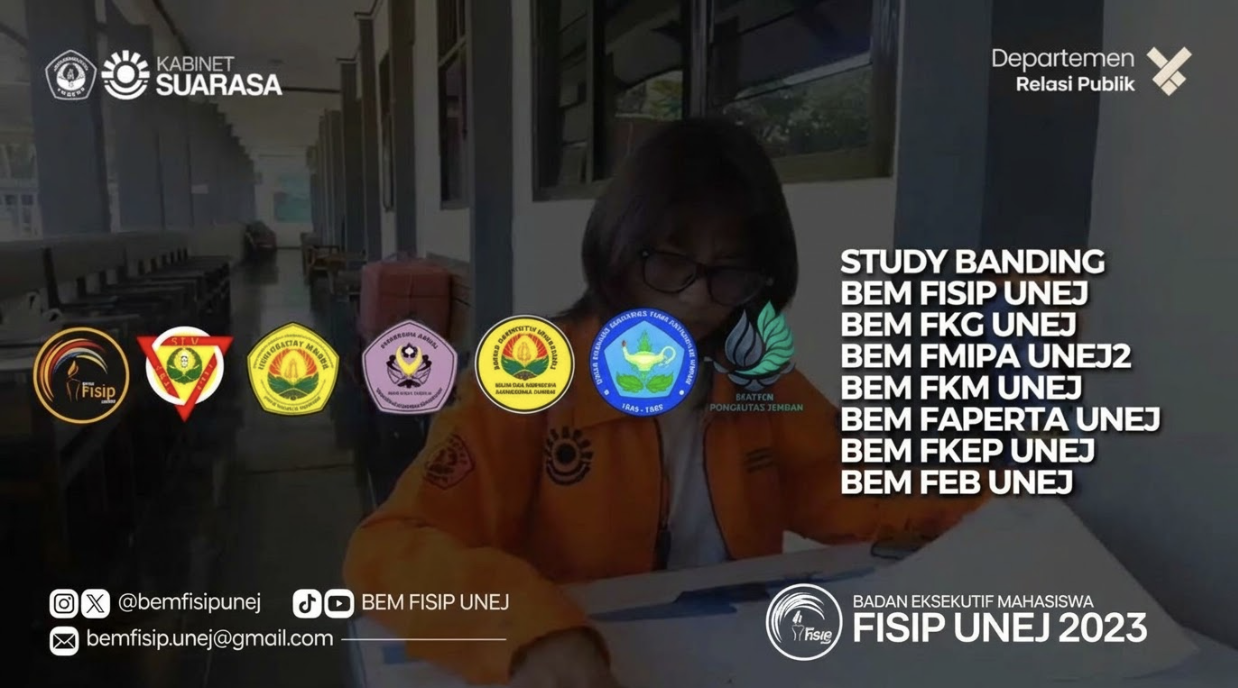
Universitas Jember has evidence of independent student representation and inter-organizational engagement through faculty-level student organizations. One example is FISIP Connect 3.0, organized by BEM FISIP UNEJ and attended by six faculty-level student executive boards (BEM Fakultas) at Universitas Jember on Saturday, 27 September 2025, at Room 222 of FISIP UNEJ. According to the event announcement published by BEM FISIP UNEJ, the forum was designed as a comparative-study activity (studi banding), providing space for participants to share organizational experiences, exchange ideas, and strengthen cooperation among student organizations.
The activity shows that faculty-level student bodies establish communication and collaborative relationships across faculties through events that students organize themselves. It is direct evidence of student-led organization and independent coordination at the faculty level. At the university level, the faculty-level student executive boards coordinate through the Forum Komunikasi BEM Fakultas, which gives student organizations a shared channel for working together across faculties.
Source: BEM FISIP UNEJ, “FISIP Connect 3.0,” (Instagram Reel)
16.2.3 Engagement with Local Stakeholders
Universitas Jember (UNEJ) engages local stakeholders in shaping the direction of its academic units and the review of its curricula. Since 2020, the UNEJ Statute has required that curricula be evaluated and improved in line with the needs of students, society, the workplace, and development programmes. It also sets a mission of developing cooperation networks with stakeholders, and it charges the Rector with maintaining relations with alumni, central and local government, users of the university’s outputs, and the wider community.
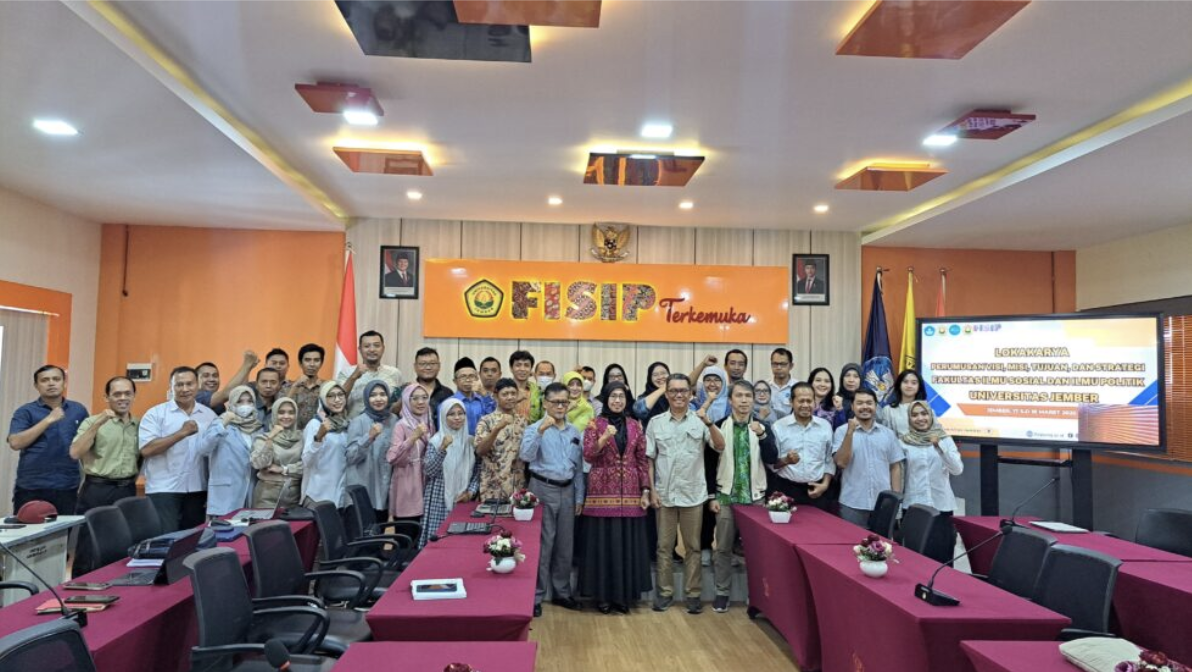
Faculty-level strategic planning. In March 2025, the Faculty of Social and Political Sciences (FISIP) held a session to formulate its Vision, Mission, Goals, and Targets (VMTS) for 2025, responding to UNEJ’s new institutional direction toward becoming a world-class university. The session involved lecturers, education staff, students, partners, and alumni, including alumni serving as regional heads and officials abroad, who took part in person and online. Their input helped shape the faculty’s direction, and the process ended with a new faculty motto, “Dynamic, Innovative, Harmonious.”
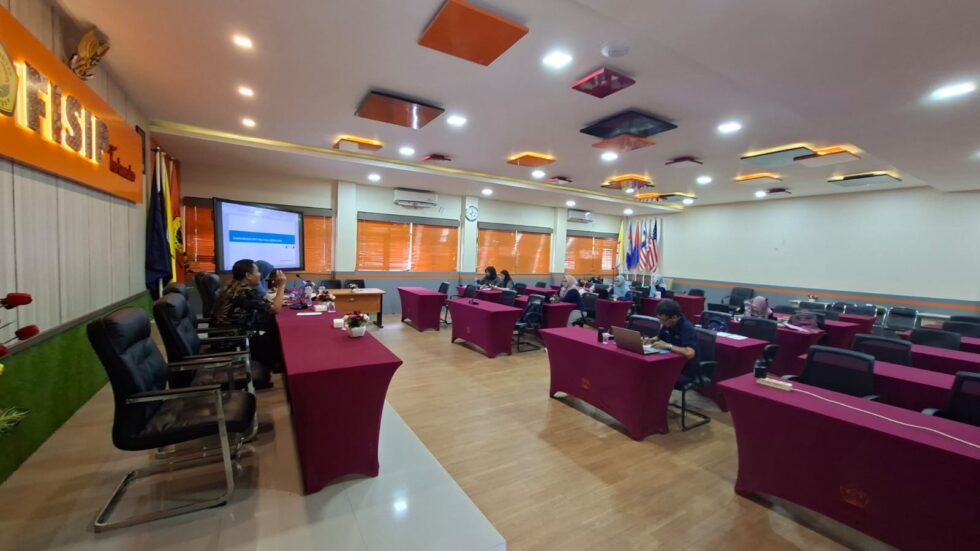
Curriculum review with stakeholders. From 12 to 15 November 2025, the D3 Travel Business (Usaha Perjalanan Wisata, UPW) Study Programme at FISIP UNEJ held a four-day curriculum workshop at the faculty’s International Room. Faculty leaders, lecturers, vocational education experts, and tourism industry practitioners attended. The workshop updated the curriculum in response to digitalisation in travel services and the growth of sustainable tourism, and it matches the course structure with the “Link and Match” principle between education and industry. It also drew direct input from stakeholders, including academics and tourism associations, on the skills the industry needs most. That input went into the programme’s new Semester Learning Plans (RPS). The activity follows the UNEJ Statute’s requirement that curricula be evaluated and improved in line with the needs of students, society, and the workplace.
These practices reflect UNEJ’s commitment to inclusive participation, collaboration, and transparent decision-making. By considering input from stakeholders beyond the university, UNEJ strengthens the link between higher education and society, supporting SDG 16’s aim of participatory and accountable institutions.
Source:
FISIP UNEJ involves stakeholders in preparing the 2025 VMTS(FISIP)
Permendikbud No. 21/2020 on the UNEJ Statute (Articles 3, 11, 47)
16.2.4 Participatory Bodies for Stakeholder Engagement
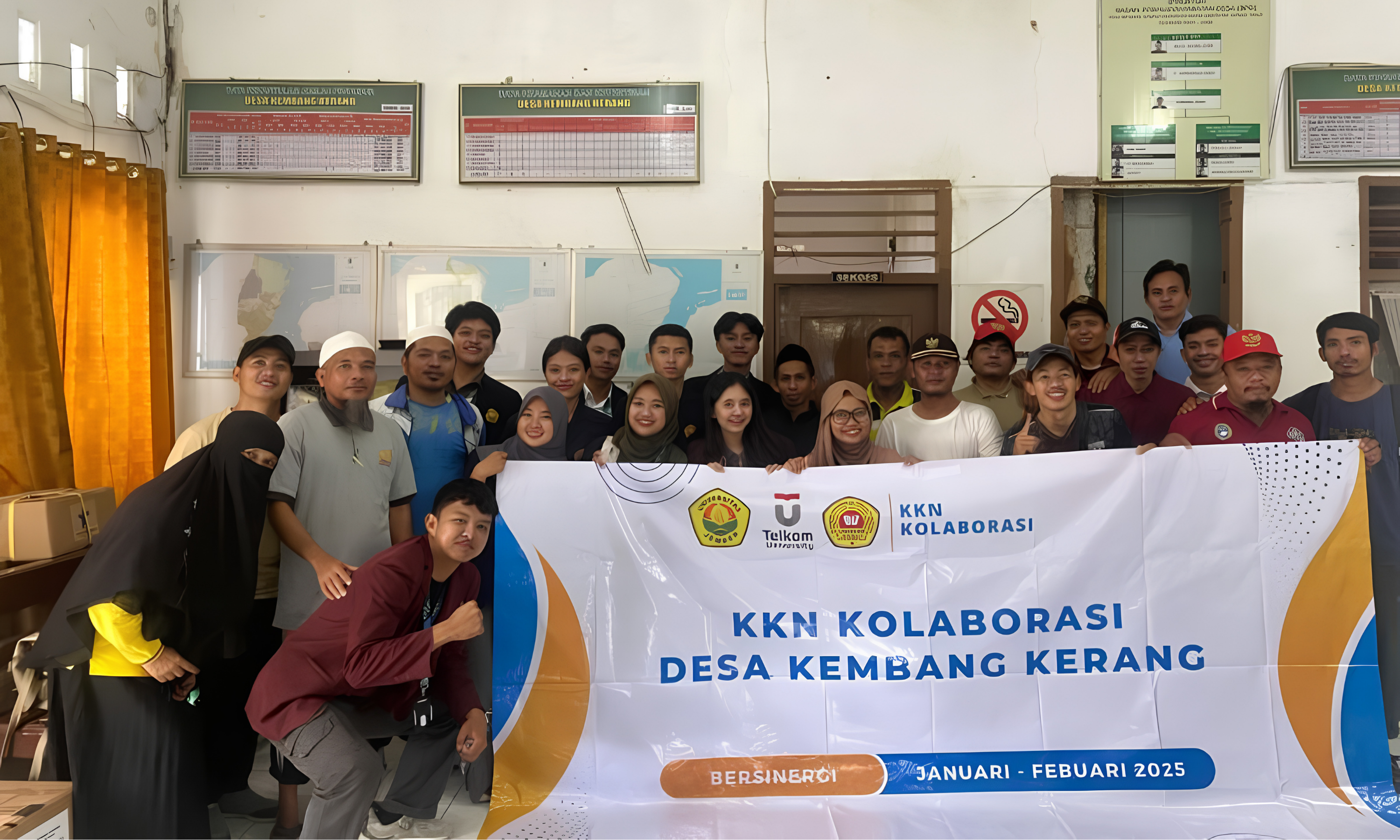
Community-based KKN. UNEJ’s community service programme, Kuliah Kerja Nyata (KKN), is coordinated by LP2M and places students in villages for 45 days. Before deployment, students are briefed so that they can quickly learn each village’s resource potential and carry out priority programmes that fit local conditions. On 15 July 2025, 1,491 students in the second period of the 2024/2025 academic year were released to villages in Banyuwangi (531 students), Bondowoso (634), Pasuruan (291), and Lamongan (35).
KKN 3T (frontier, remote, and disadvantaged areas) teams of 10 students each were sent to Raja Ampat and South Halmahera, in cooperation with the Ministry of Villages and Development of Disadvantaged Regions through the TEKAD (Integrated Village Economic Transformation) programme. About 200 students applied for the 20 available places. The Raja Ampat team, working in Warimak Village on Waigeo Island, focused on mangrove crab cultivation and “mini-downstreaming”, including more effective smoking techniques for crab processing.
This fieldwork was matched by technical training packages that UNEJ delivered under agreements signed on 24 July 2025 with the Directorate General of Rural and Disadvantaged Area Economic and Investment Development. In Raja Ampat, a FISIP team trained crab-processing fishers in smoked crab production. In South Halmahera, a Faculty of Humanities (FIB) team trained farmers in coconut waste processing and coconut briquette production. Both packages ran from 24 July to 21 October 2025, with a combined contract value of IDR 289.41 million. This links student fieldwork with lecturer-led training for local livelihoods.
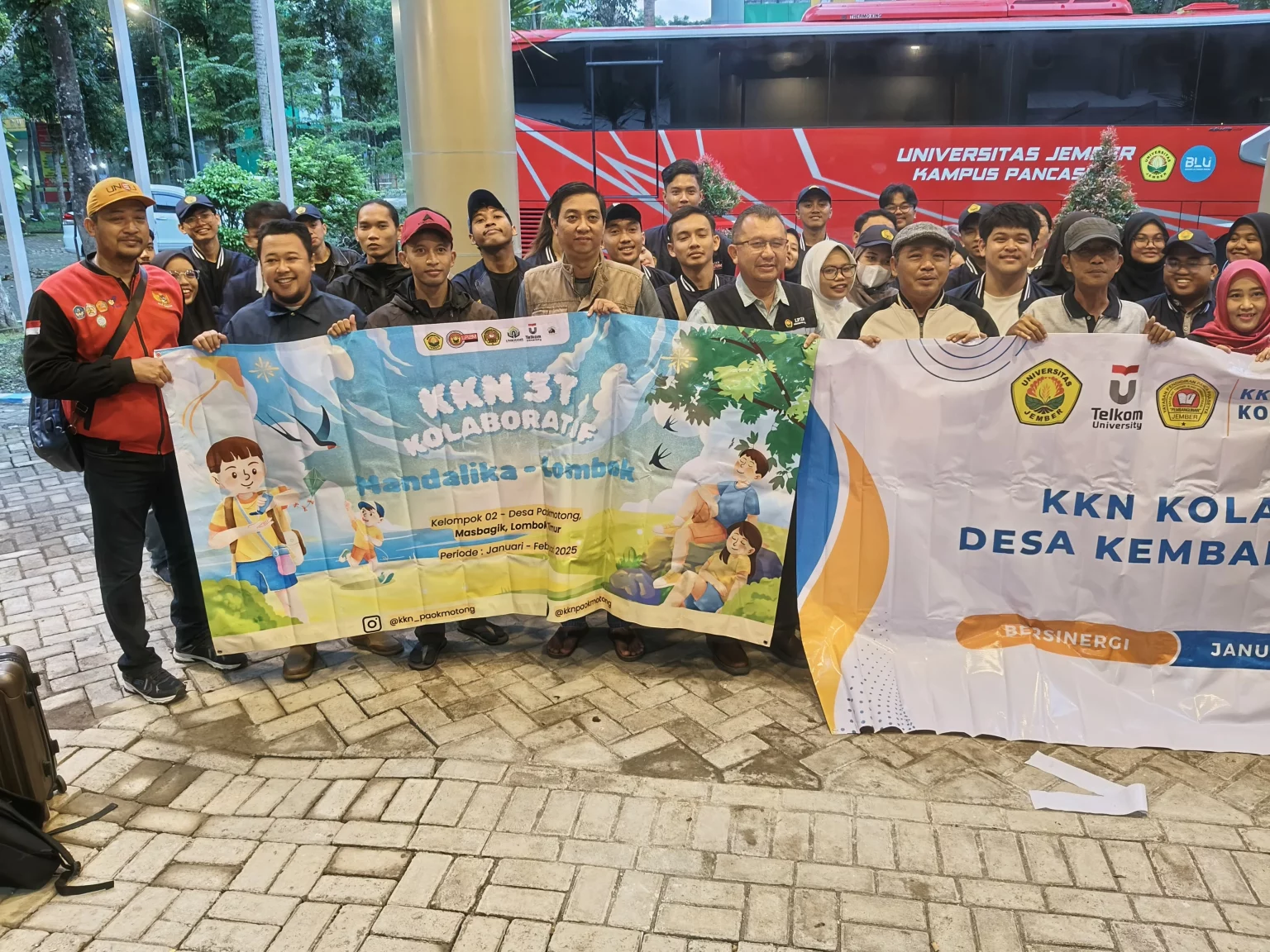
Local partners also support the programme: BPJS Ketenagakerjaan Jember provides insurance protection for students, and the Jember office of the Financial Services Authority (OJK) supports their financial literacy work in villages. In Kembang Kerang Village, East Lombok, a collaborative KKN team from UNEJ, Telkom University, and STIA Jember began work in January 2025 to connect farmers and farmer groups to real-time market and farming information, with the support of the village head.
Source:
UNEJ builds a village in NTB toward digital progress through KKN (Antara Jatim)
UNEJ releases KKN students from Lamongan to Raja Ampat (Kemdiktisaintek)
Rector of UNEJ releases students for KKN UMD and collaborative 3T Mandalika (UNEJ)
LP2M University of Jember. Summary of LP2M Collaborative Research, 2025
16.2.5 Institutional Principles on Anti-Corruption and Anti-Bribery
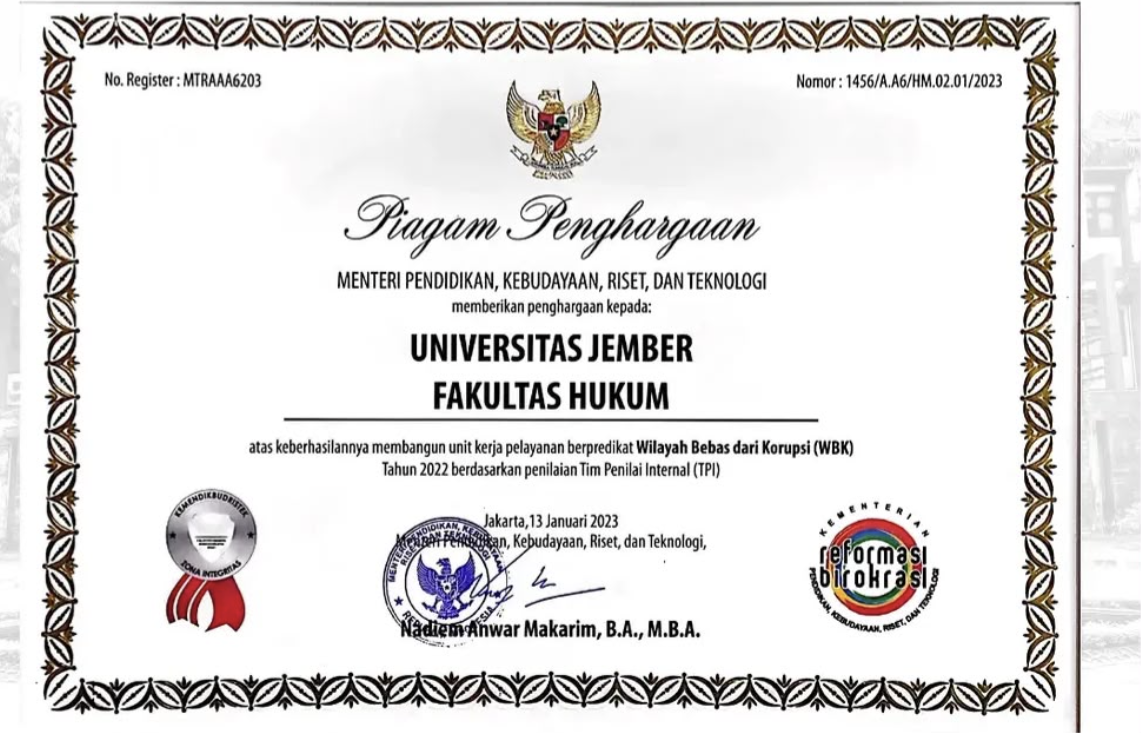
Universitas Jember (UNEJ) is proud to be a pioneer in building a culture of integrity in higher education. Since 2023, UNEJ has progressively established Integrity Zones (Zona Integritas) and anti-corruption areas across its faculties and academic units, creating a transparent, accountable, and corruption-free institutional environment. This commitment is embedded across the university, from the Faculties of Humanities to the Faculties of Sciences, across all 15 faculties, as well as the Postgraduate Programs, Vocational Programs, and satellite campuses.
Every programme is driven by the national ambition of achieving the designations of Corruption-Free Area (WBK) and Clean and Serving Bureaucratic Area (WBBM), following the national regulation on Integrity Zone development (PermenPAN-RB No. 52/2014). Each is built on six rigorous components: change management, governance and procedures, human resource management, accountability, oversight, and public service quality.
UNEJ does not stop at declarations. Our units publish their work plans, integrity pacts, service pledges, and decrees appointing role models and change agents. They conduct regular monitoring and evaluation, release implementation reports, and open themselves to external scrutiny through public perception surveys on corruption and service quality. Whistleblowing systems, the national LAPOR! platform, and sexual violence prevention task forces ensure that students, staff, and the public always have safe and accessible channels to speak up.
By making integrity a shared responsibility across its entire community, UNEJ strengthens institutional accountability, promotes ethical conduct, and closes opportunities for corruption and bribery, setting a strong example of how a university can live out SDG 16.
News Link:
FH | ZI-WBK FH | ZI-WBK FEB | ZI-WBK Fasilkom | ZI-WBK FISIP | ZI-WBK Teknik | ZI-WBK FKM | ZI-WBK FMIPA | ZI-WBK FKIP | ZI-WBK FKG | ZI-WBK FAPERTA | ZI-WBK FKEP | LPMPP | ZI-WBK FARMASI | ZI-WBK pasca sarjana | ZI-WBK FK | ZI-WBK VOKASI DAN KAMPUS SATELIT | ZI-WBK FATETA
16.2.6 Policy Supporting Academic Freedom

Universitas Jember has established a formal framework supporting academic freedom through Rector's Decree No. 3 of 2025 on Academic Freedom, Freedom of the Academic Pulpit, Scientific Autonomy, Academic Atmosphere, and Academic Ethics. The decree defines academic freedom as the freedom of lecturers, both senior and junior, to independently and responsibly conduct academic activities related to education and the development of knowledge, technology, arts, culture, and sports, including conducting the three dharmas: teaching, research, and conducting community service. It also recognises the right of academic community members to express academic opinions in academic forums in accordance with scientific principles and applicable regulations.
The decree further requires mutual respect for academic freedom among lecturers and students, while promoting an academic environment that supports productive teaching, research, and community service. These principles are reinforced by UNEJ's academic ethics framework, which emphasizes objectivity, honesty, and openness to academic criticism. Together, these regulations demonstrate UNEJ's institutional commitment to protecting academic freedom while maintaining professional and ethical responsibilities.
source :
16.2.7 Transparent Publication of Financial Data

Universitas Jember (UNEJ) demonstrates its commitment to implementing SDG 16 by transparently publishing its institutional financial information. As a Public Service Agency (Badan Layanan Umum/BLU), UNEJ provides public access to its financial reports through its official website, allowing the public and other stakeholders to monitor and understand how university funds and resources are managed.
Through its official financial disclosure page, UNEJ publishes financial reports covering multiple reporting years, including audited annual financial statements and semester reports. The availability of these documents reflects UNEJ's efforts to promote transparency, strengthen institutional accountability, and build public trust in its financial management.
This initiative supports SDG 16, particularly by promoting transparent and accountable institutions. By making financial information publicly accessible, UNEJ provides stakeholders with opportunities to review and monitor its financial management.
Source :
16.3.1 Provision of Expert Advice to Government
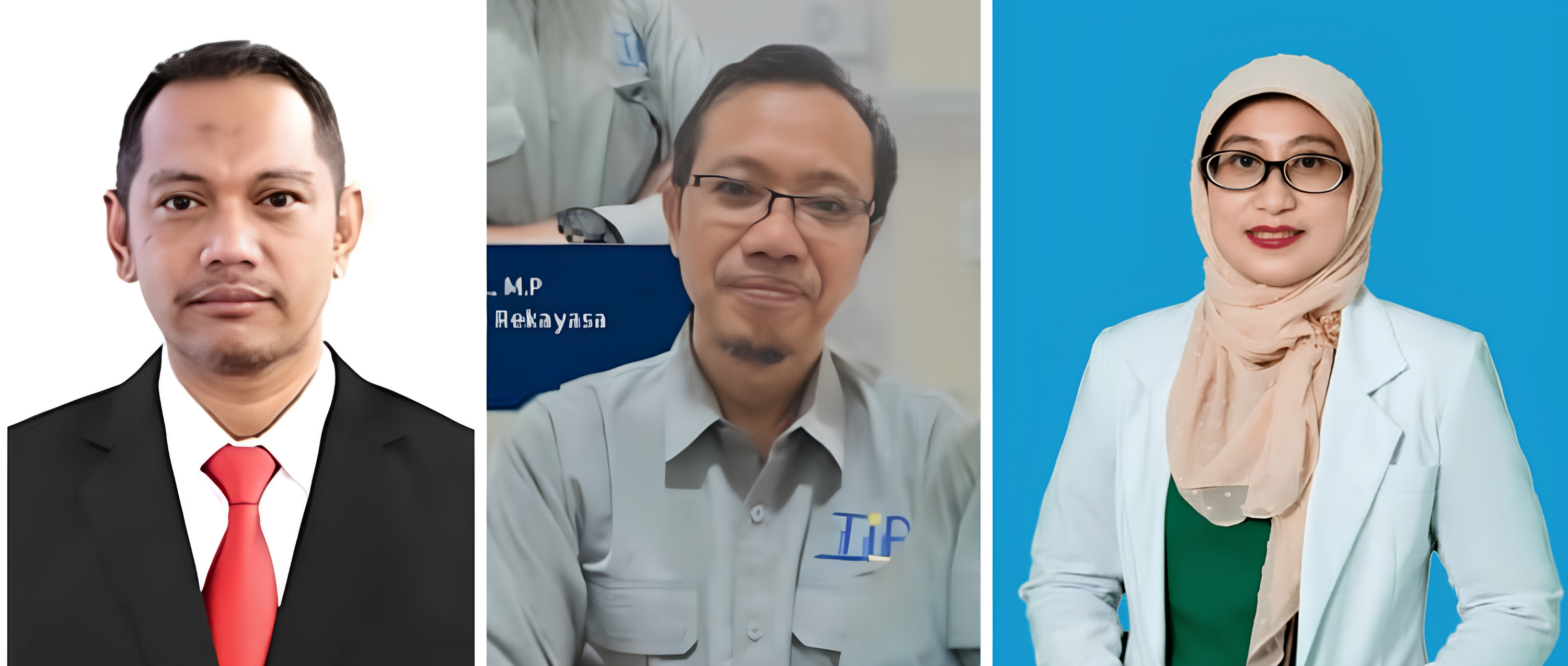
Universitas Jember (UNEJ) contributes to the implementation of SDG 16 by connecting academic expertise with regional government initiatives and public decision-making. One example is the involvement of UNEJ academics and former university leaders in the Regional Development Acceleration Team (Tim Pengarah Percepatan Pembangunan Daerah/TP3D) established by the Jember Regency Government.
According to a report by K-Radio Jember, Dr. Ulfa Elfiah, Dean of UNEJ's Faculty of Medicine, and Nurul Ghufron, former Dean of UNEJ's Faculty of Law and former Deputy Chair of the Corruption Eradication Commission (KPK), were among the individuals identified as members of the TP3D. Their professional and academic backgrounds represent the contribution of university-related expertise to regional development planning and government advisory activities.
This involvement illustrates UNEJ's role in supporting evidence-informed policymaking and strengthening cooperation between higher education institutions and local government. By making academic knowledge and professional expertise available to public institutions, UNEJ contributes to more informed, accountable, and effective governance, in line with SDG 16.
Source :
16.3.2 Policy and Lawmaker Outreach and Education
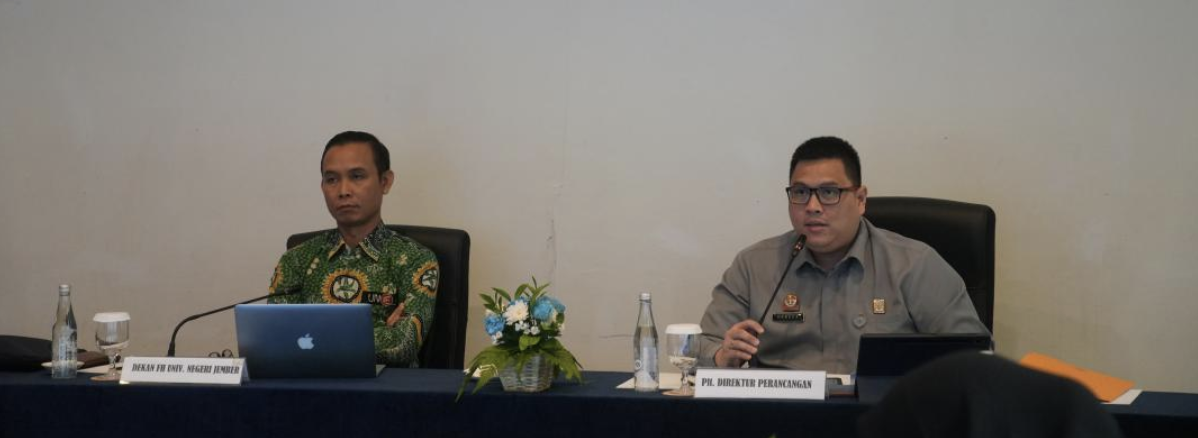
Universitas Jember (UNEJ) supports lawmaking and public policy by contributing academic expertise to national legislative processes.
Contribution to criminal law reform. On 21 October 2025, the Directorate General of Legislation (Direktorat Jenderal Peraturan Perundang-undangan, DJPP) of the Ministry of Law held a public hearing on the Bill on Criminal Law Adjustment. The hearing gathered input from academics, practitioners, and the legal community on rules that align the national criminal law system with the new Criminal Code (KUHP). The Dean of the UNEJ Faculty of Law, Prof. I Gede Widhiana Suarda, took part as a speaker, alongside representatives of the Attorney General’s Office, the national police, and the Supreme Court. He shared views on law enforcement readiness and the practical implications of the changes. The hearing was held in hybrid format and drew 680 participants on Zoom and more than 1,000 views on YouTube.
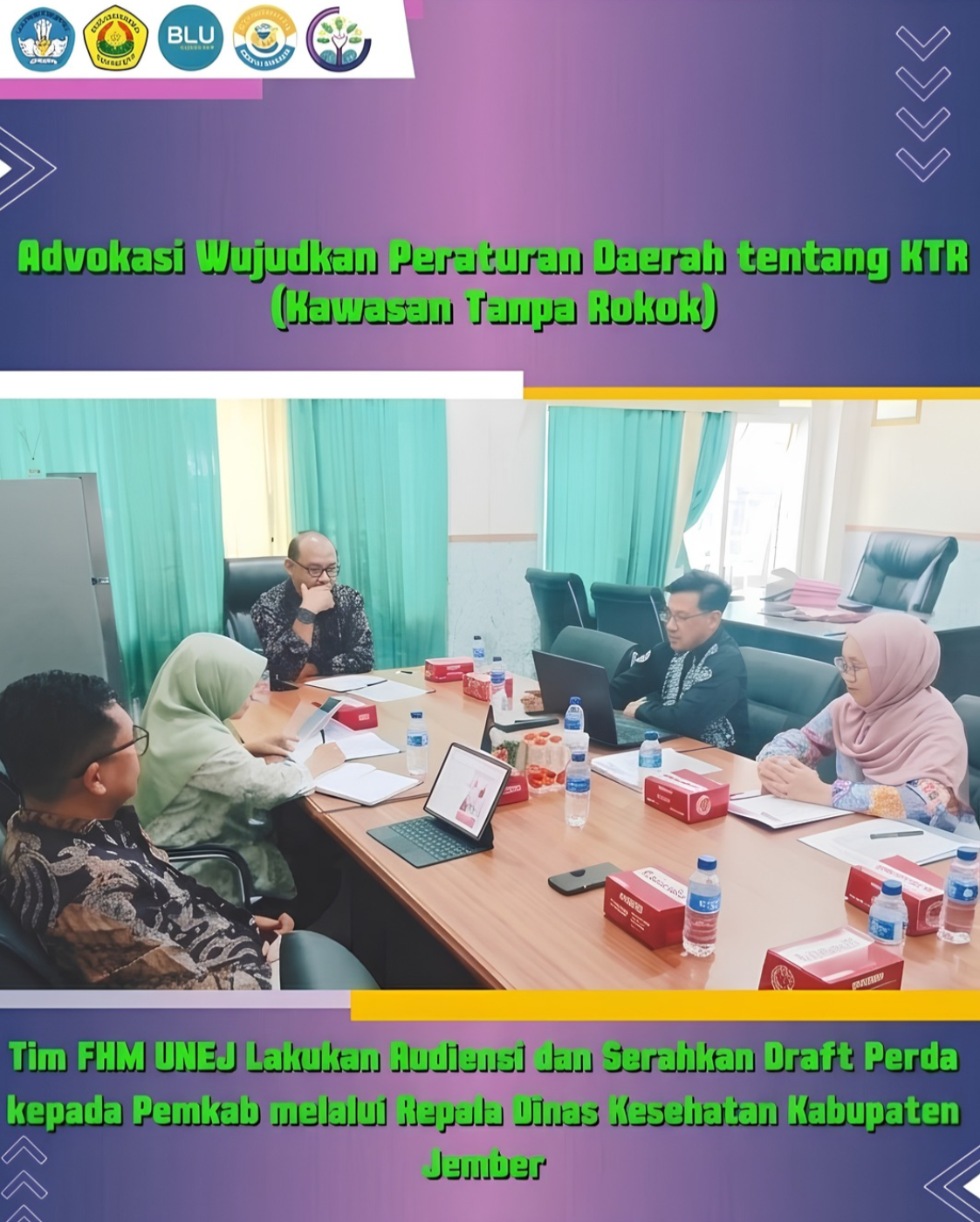
Taking public health evidence to local lawmakers. On 7 November 2025, the Policy Advocacy Team of UNEJ’s Faculty of Public Health, led by Dr. Nuryadi, met Commission D of the Jember Regency Council (DPRD) to propose a regional regulation on smoke-free areas (Kawasan Tanpa Rokok). Jember currently has a regent’s regulation but no regional regulation, so the team prepared a draft regulation and an academic paper for the council to use. The proposed areas include health facilities, classrooms, children’s play areas, places of worship, public transport, malls, stations and terminals, with designated smoking areas as a practical compromise. This is a direct example of university researchers offering ready-to-use policy drafts to local legislators.
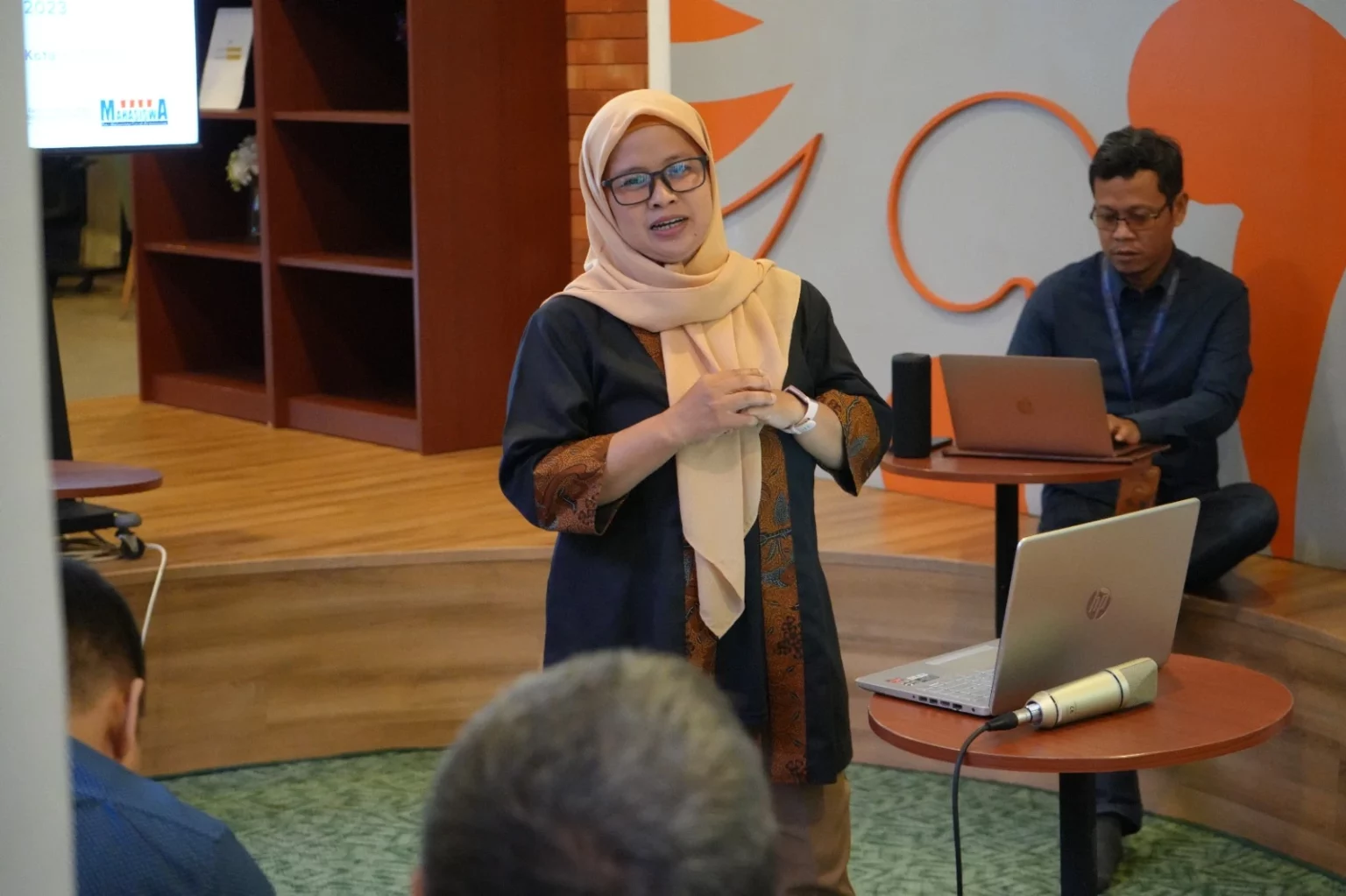
Educating legal practitioners on the new Criminal Code. On 23 January 2025, UNEJ’s Centre for Human Rights, Multiculturalism and Migration (CHRM2) joined seven other universities in a nationwide soft launch of a textbook interpreting Articles 300-305 of Indonesia’s 2023 Criminal Code, which deal with offences against religion and belief. UNEJ’s session brought together a Deputy Minister of Law and Human Rights, a Supreme Court Justice (Hon. Yohanes Priyana), a Deputy Attorney General, and academics and civil society representatives. Participants discussed how judges, prosecutors and investigators should apply the provisions, and agreed that continuing education is needed so that the new rules are enforced fairly and do not disadvantage minority groups. The event helped put academic interpretation in front of the officials who implement the law.
This participation shows how UNEJ’s academics contribute to open, evidence-based lawmaking, supporting SDG 16’s aim of effective, accountable, and inclusive institutions.
Source :
16.3.3 Participation in Government-Sponsored Policy Research
Universitas Jember collaborates with government departments on policy-focused research, with the Institute for Research and Community Service (LP2M) coordinating and recording these collaborative research programmes. Through this collaboration, UNEJ researchers contribute academic evidence to policy questions and help connect higher education with public decision-making, in line with SDG 16.
In 2025, LP2M recorded 20 research agreements of this kind, signed with East Java Provincial Government agencies and with the governments of six regencies: Banyuwangi, Jember, Gresik, Blitar, Sumenep, and Pasuruan. Researchers from six faculties took part: Agriculture, Engineering, Economics and Business, Social and Political Sciences, Public Health, and Dentistry. The agreements are listed below by policy area (original Indonesian titles in italics).
Spatial planning and infrastructure
Assessment of the East Java Provincial Spatial Plan (Rancangan Teknokratik Penilaian Perwujudan Rencana Tata Ruang Wilayah Provinsi Jawa Timur). Housing, Settlement Areas and Public Works Agency, East Java Province, 30 April 2025.
Substance approval of the Jember Regency Spatial Plan 2025-2045 (Persetujuan Substansi Rencana Tata Ruang Wilayah Kabupaten Jember Tahun 2025-2045). Housing, Settlement Areas and Public Works Agency, Jember, 30 April 2025.
Pre-cross-sector assistance for the Jember Regency Spatial Plan (Pendampingan Pra Lintas Sektoral Rencana Tata Ruang Wilayah Kabupaten Jember). Same agency, 29 September 2025.
Traffic impact analysis for the Mangli Flyover (Kajian Analisis Dampak Lalu Lintas (ANDALALIN) Pembangunan Fly Over Mangli). Transportation Agency, Jember, 8 September 2025.
Traffic engineering study for widening the Mangli-Tanggul road (Kajian Manajemen Rekayasa Lalu Lintas Pelebaran Ruas Jalan Mangli-Tanggul). Transportation Agency, Jember, 21 October 2025.
Disaster risk and resilience
Disaster risk assessment for Gresik Regency 2025-2029 (Kajian Risiko Bencana Kabupaten Gresik Tahun 2025-2029). Regional Disaster Management Agency, Gresik, 14 July 2025.
Flood contingency plan for the Lamong River, Gresik, 2025 (Penyusunan Rencana Kontigensi Banjir Kali Lamong Kabupaten Gresik Tahun 2025). Same agency, 14 August 2025.
Disaster management plan for Gresik Regency 2025-2029 (Penyusunan Rencana Penanggulangan Bencana Kabupaten Gresik Tahun 2025-2029). Same agency, 14 August 2025.
Public service and governance
Analysis of public service quality in Pasuruan Regency, 2025 (Penyusunan Kajian Analisis Kualitas Pelayanan Publik di Kabupaten Pasuruan Tahun 2025). Regional Development Planning, Research and Development Agency, Pasuruan, 28 August 2025.
Community satisfaction survey on health services (Survei Kepuasan Masyarakat Bidang Kesehatan). Regional Development Planning Agency, Jember, 15 July 2025.
Increasing the impact of regional inspectorate oversight on financial governance and local government performance (Peningkatan Dampak Pengawasan Inspektorat Daerah terhadap Perbaikan Tatakelola Keuangan dan Kinerja Pemerintah Daerah). Inspectorate, Banyuwangi, 11 August 2025.
Local economy, food, and tourism policy
Shallot price dynamics and their impact on the consumer price index in Banyuwangi (Dinamika Harga Bawang Merah dan Dampaknya terhadap Indeks Harga Konsumen di Kabupaten Banyuwangi). Regional Development Planning Agency, Banyuwangi, 3 March 2025.
Quantitative analysis of rice and maize potential in Banyuwangi (Analisis Potensi Komoditas Padi dan Jagung di Kabupaten Banyuwangi Melalui Pendekatan Kuantitatif). Same agency, 19 May 2025.
Analysis of tourist behaviour and preferences in choosing Banyuwangi as an alternative destination (Analisis Perilaku dan Preferensi Wisatawan dalam Menentukan Banyuwangi sebagai Destinasi Alternatif). Same agency, 14 April 2025.
Inflation control strategy for Sumenep Regency (Strategi Pengendalian Inflasi di Kabupaten Sumenep). Regional Research and Innovation Agency, Sumenep, 14 August 2025.
Agro-industry roadmap for Blitar Regency (Penyusunan Roadmap Agroindustri Kabupaten Blitar). Regional Planning, Research and Development Agency, Blitar, 17 October 2025.
Regional Action Plan for Food and Nutrition, Gresik Regency, 2025-2029 (Penyusunan Dokumen Rencana Aksi Daerah Pangan dan Gizi Kabupaten Gresik Tahun 2025-2029). Regional Development Planning, Research and Development Agency, Gresik, 28 August 2025.
Masterplan and roadmap for the Jember Creative Center (Penyusunan Masterplan dan Roadmap Jember Creative Center). Tourism and Culture Agency, Jember, 6 November 2025.
Investigation survey and design for optimising non-swamp land (Survei Investigasi dan Desain Optimasi Lahan Non Rawa). Agriculture and Food Security Agency, East Java Province, 17 April 2025.
Investigation survey and design for optimising non-swamp land in Situbondo Regency, 2025 (Survei Investigasi dan Desain Optimasi Lahan Non Rawa Kabupaten Situbondo Tahun 2025). Same agency, 25 June 2025.
These collaborations show how UNEJ’s research supports local governments in planning, service delivery, and accountable decision-making.
Source :
16.3.4 Provision of Neutral Platforms for Public Policy Dialogue
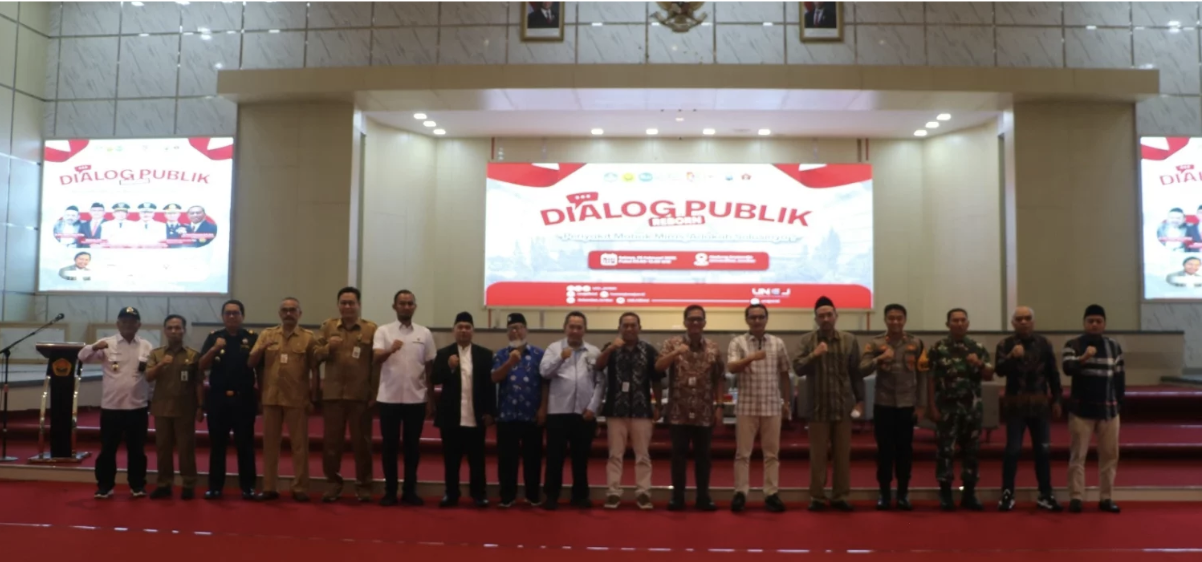
UNEJ provides two regular spaces where academics, officials, and the public can discuss real policy issues openly: the “Ngopi Selasa” discussion series and the public dialogues held at Gedung Soetardjo.
Gedung Soetardjo public dialogues
The Gedung Soetardjo dialogues bring journalists, local government representatives, and experts together to discuss current public issues. They are organized by the Indonesian Journalists Association (PWI) Jember in cooperation with UNEJ. The format is simple: each session takes one local problem, invites people who work on it from different sides, and gives them room to exchange views face to face.
One documented example is the public dialogue “Penyakit Mabuk Miras, Adakah Solusinya?” (Alcohol Abuse: Is There a Solution?), held on 25 February 2025. The aim was to find concrete ways to reduce the circulation of alcoholic beverages in Jember. Speakers came from government, academia, the police, and religious circles. UNEJ Rector Iwan Taruna argued that the problem cannot be solved through law enforcement alone and called for an approach that combines social, educational, and legal measures. The Deputy Chief of Jember Police explained that the circulation of alcohol, especially dangerous adulterated alcohol, remains high and that enforcement needs public support. The Chair of the Jember Indonesian Ulema Council (MUI) spoke about the moral and religious side of the issue. The Deputy Speaker of the Jember Regional House of Representatives (DPRD), Widarto, noted that a regional regulation on alcohol already exists and that the real challenge is making it work in practice. The discussion therefore connected lawmakers, enforcers, and community leaders around one question: how an existing regulation can be implemented effectively.
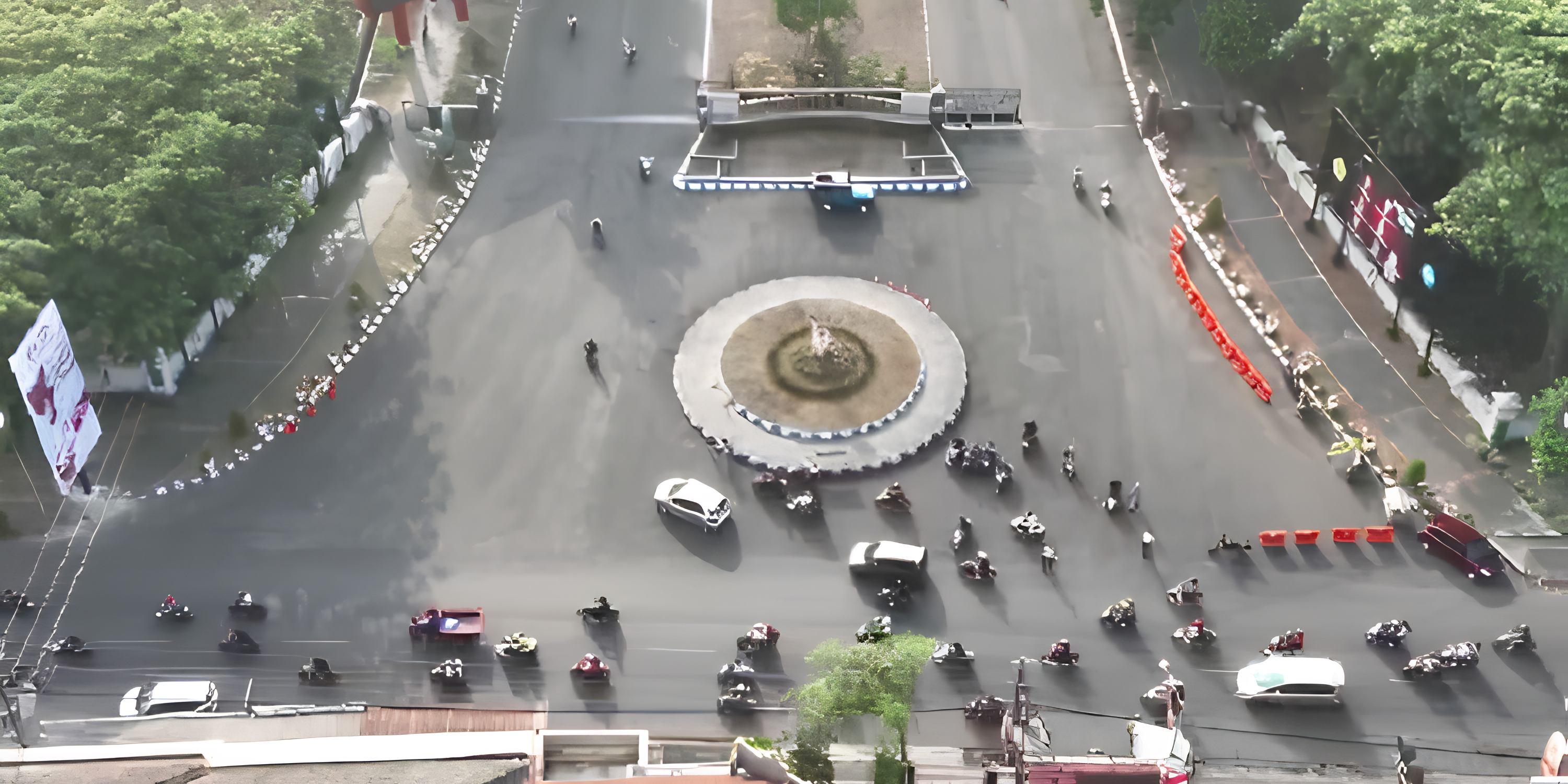
An earlier dialogue by the same organizers, held on 16 October 2023, discussed the one-way traffic system introduced around the UNEJ campus area. UNEJ transportation researcher Sonya Sulistyono, who is also an expert adviser to the national police traffic corps, presented before-and-after traffic counts and recommended applying the system fully, evaluating it continuously, and improving road signage and alternative routes. Jember Regent Hendy Siswanto responded with his vision of a more pedestrian-friendly campus area. In this session, a university researcher’s data was discussed directly with the head of local government.
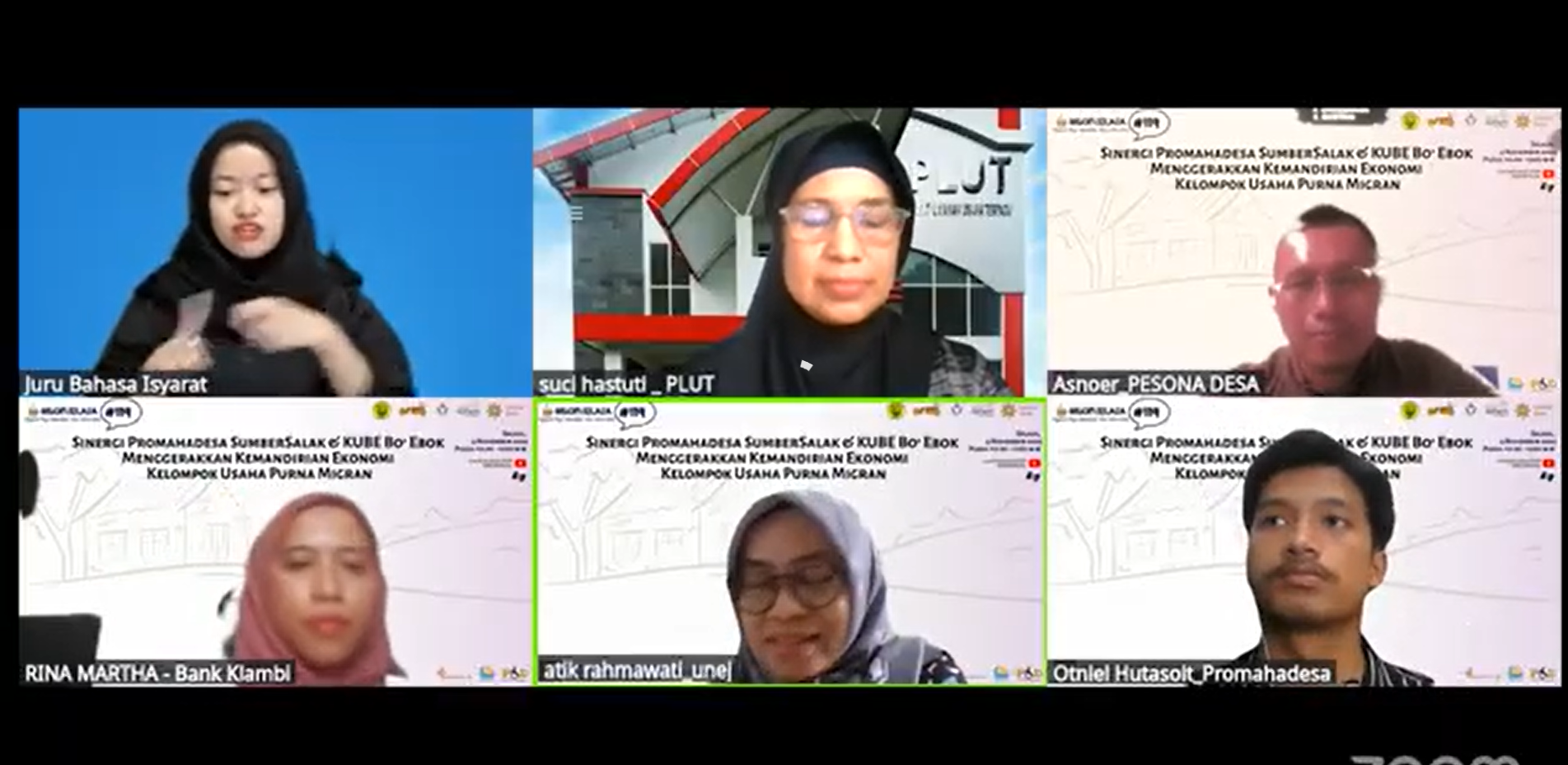
UNEJ also has a neutral platform for dialogues running on a weekly basis, so called Ngopi Selasa. This programme takes place every Tuesday conducted Via Zoom Cloud meeting and is broadcast on the YouTube channel of the Institute for Research and Community Service (LPPM UNEJ). The name suggests an informal setting, and that is the idea: it is a safe, relaxed platform where lecturers, researchers, and invited guests can talk openly about current issues, including public policy topics, without the formality of a seminar or conference. Because the program runs on a weekly schedule, it builds a steady habit of public discussion rather than one-off events, so policy topics can be raised as they arise instead of waiting for a special occasion.
Broadcasting on YouTube also widens the audience. Policymakers, students, community members, and anyone else interested can watch live or later, so the discussions are not limited to the people in the room. This makes Ngopi Selasa a practical channel for sharing academic knowledge with the wider public and for putting evidence and expert views into local policy conversations.
Together, Ngopi Selasa and the Gedung Soetardjo dialogues give lawmakers, law enforcement, religious leaders, media, and the university a shared, neutral place to discuss local public-order and public-policy issues, from alcohol regulation to traffic management, and how to implement the solutions.
Source :
PWI Jember and UNEJ Hold Public Dialogue on Solutions to Alcohol Distribution, A Federasi
Observer Recommends Making the One-Way System in the UNEJ Area Permanent, Ngopibareng.id
16.4.1 Proportion of Law Graduates
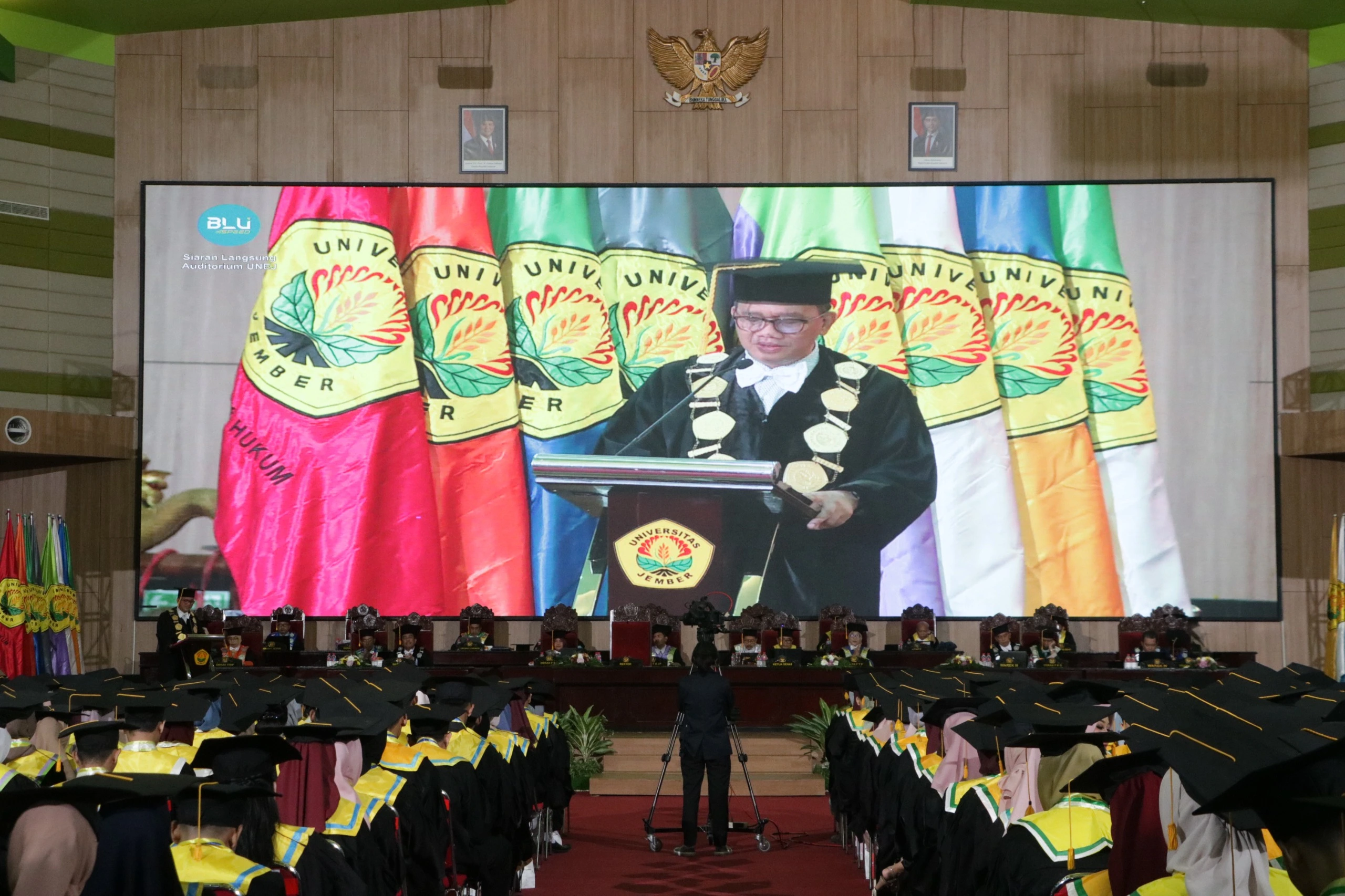
According to UNEJ's official 2025 graduation data, the Faculty of Law (FH) produced 493 graduates out of 8,449 total Universitas Jember graduates in 2025. This gives a proportion of approximately 5.84% of the university's total graduates. The calculation is: 493 ÷ 8,449 × 100 = 5.48%.
This figure shows the Faculty of Law's contribution to UNEJ's graduate output. The 493 law graduates of 2025 completed formal legal education, adding to the pool of legally trained graduates available to the justice sector and public institutions in support of SDG 16.
News Link: Data Lulusan Fakultas Hukum UNEJ 2025 — UNEJ Official