
SDG 14 Universitas Jember 2025
14.2.1 Fresh-water ecosystems (community outreach)
Freshwater ecosystems, including rivers and streams, are important for maintaining environmental health and supporting local communities. However, protecting these ecosystems requires more than environmental action; it also needs public awareness and community participation. Universitas Jember (UNEJ) contributes to these efforts through community-based education initiatives, including the River Ecosystem School in Sukorejo Village, Jember. This program reflects the role of higher education institutions in encouraging communities to understand the importance of river conservation and environmental protection.
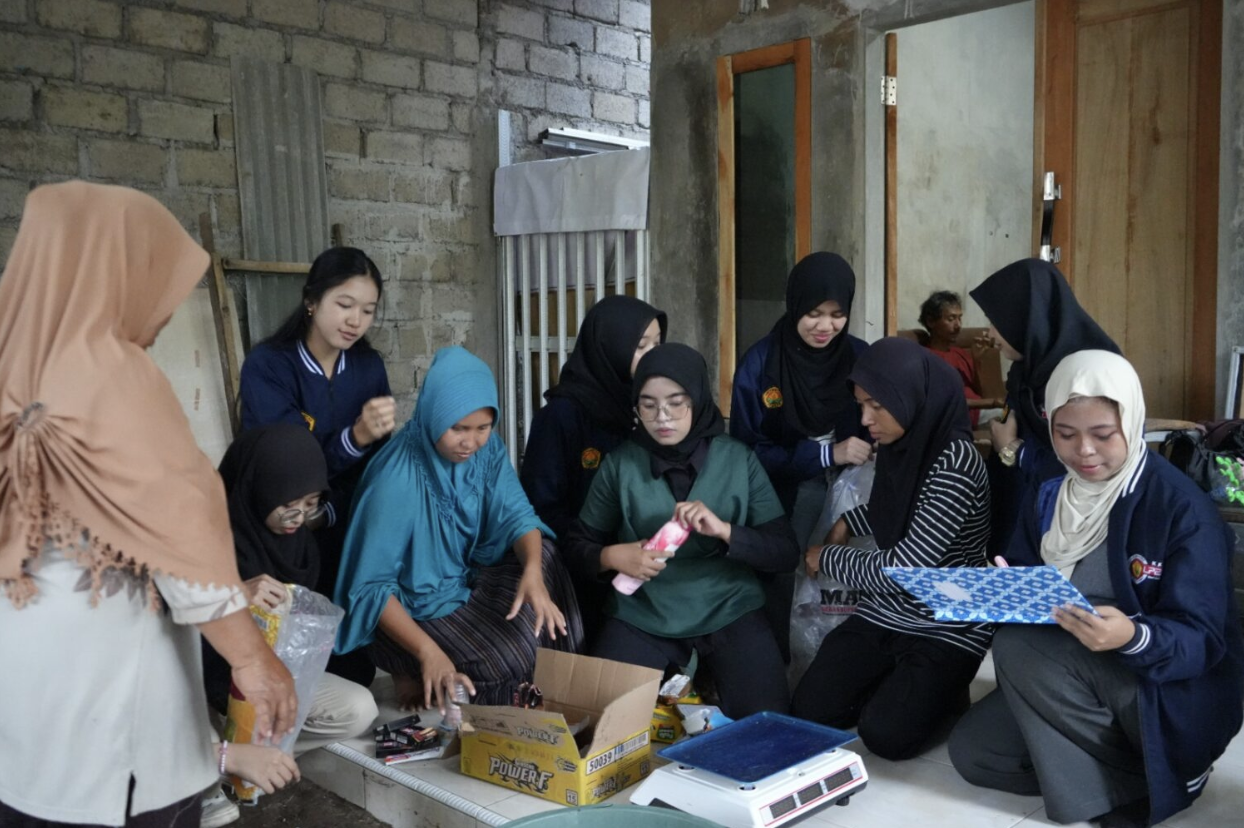
In September 2025, Universitas Jember (UNEJ) students conducted a community outreach to introduce the Green Bank initiative through the Student Village Development Program (Promahadesa) in Kemuninglor Village, Arjasa District, Jember. The program was developed to address improper waste disposal, particularly residents' habit of throwing rubbish into village irrigation channels. Through this initiative, students encouraged residents to sort waste by category and earn income by selling recyclable materials. The program also aimed to change public perceptions of waste by introducing it as a resource rather than something to discard. Through community education and waste-management activities, UNEJ encouraged residents to help maintain a cleaner village environment and prevent waste from polluting local water channels.
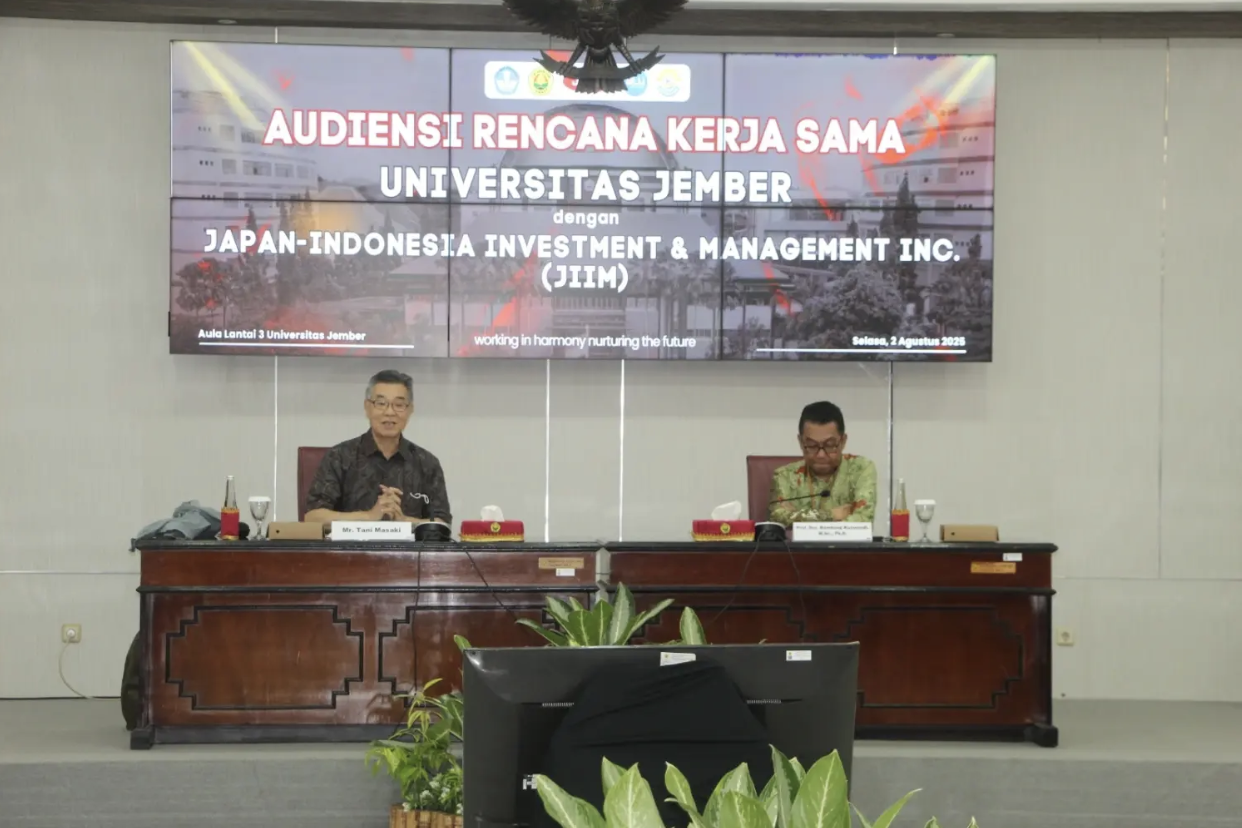
Building on its community-based environmental programmes, UNEJ also contributes to freshwater protection through research on natural water filtration. In 2025, a researcher from the Faculty of Public Health (FKM), Rahayu Sri Pujiati, developed a water filtration material using activated carbon made from banana stems. The research showed that this natural material could reduce lead (Pb) levels in well water collected from a community near the Pakusari landfill in Jember. The innovation offers a potential solution for improving water quality, particularly in areas with limited access to clean water. UNEJ also discussed the possibility of further developing the technology through collaboration with researchers and business representatives from Japan.
Through the Green Bank Initiative, UNEJ demonstrates how community education can raise awareness of freshwater conservation and encourage local participation in environmental protection. UNEJ also contributes through research on natural water filtration using activated carbon made from banana stems, which has shown potential to reduce lead levels in well water. This innovation offers an alternative approach to improving water quality and could support future freshwater protection efforts. In addition, UNEJ's collaboration with local governments and communities in coastal conservation illustrates the importance of shared responsibility in protecting natural environments. Continued educational programmes, community involvement, research development, and follow-up activities can help strengthen conservation efforts over time. These initiatives contribute to broader environmental sustainability goals, while further documentation of ongoing river-focused activities would help demonstrate their long-term impact on freshwater ecosystems.
References:
14.2.2 Sustainable fisheries (community outreach)
Sustainable fisheries play an important role in protecting marine resources while supporting the livelihoods of coastal communities. Recognising the economic potential of local marine products, Universitas Jember (UNEJ) has encouraged community empowerment through educational activities, fisheries product development, and local business assistance. Throughout 2025, UNEJ students carried out several community outreach initiatives to help residents improve their skills in processing marine resources and developing sustainable economic opportunities.
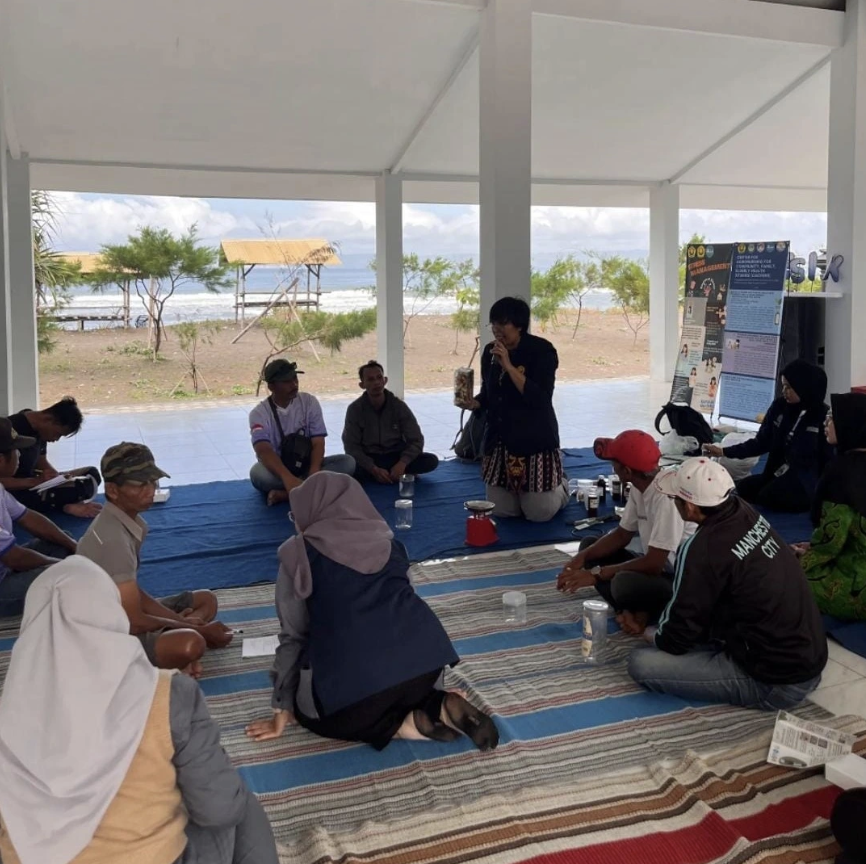
Image 1. PPK Ormawa of FKEP UNEJ at SAGARA PANGURIPAN Program in Puger Kulon
One initiative was the SAGARA PANGURIPAN program, launched by the Student Organization Capacity Building Program (PPK Ormawa) of UNEJ's Faculty of Nursing (FKEP) in Puger Kulon Village, Jember, in August 2025. The program focused on empowering coastal communities by developing the potential of local marine resources, particularly lemuru fish. Through this initiative, residents received assistance in processing lemuru into various food products, including sausages, meatballs, and cilok. The students also planned to support product packaging and marketing to help residents develop products with greater economic value.
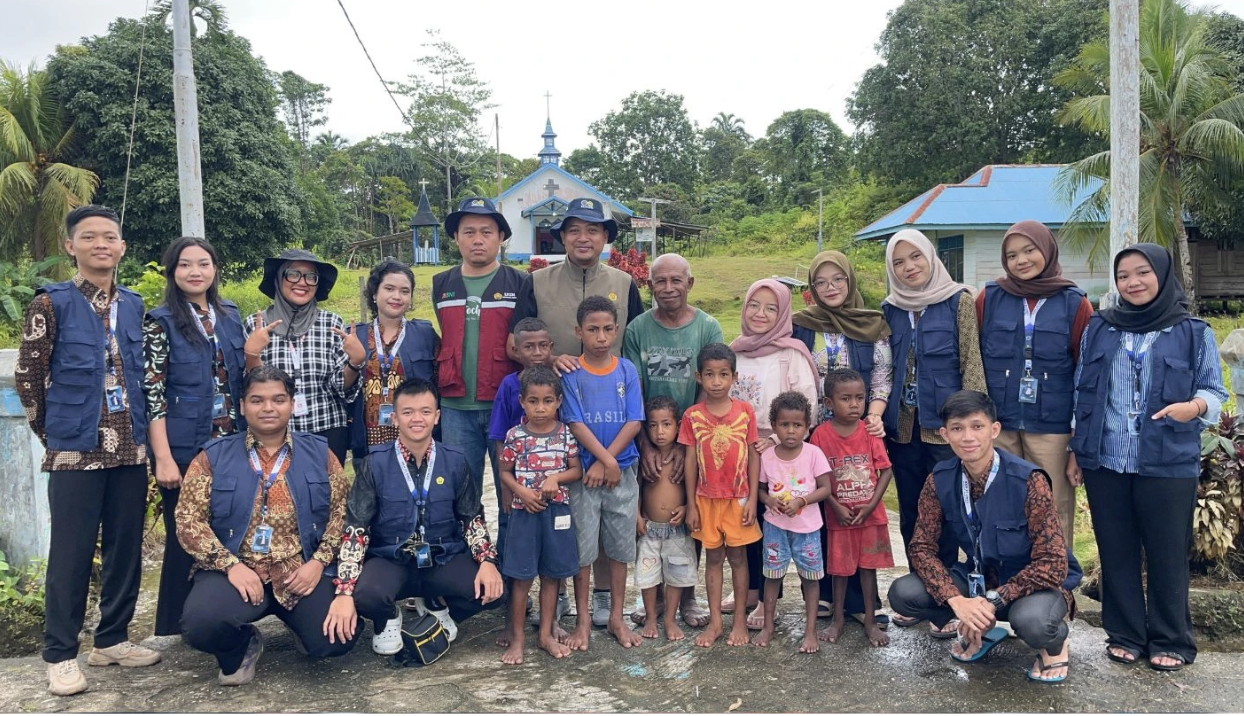
Another community outreach initiative took place in Warimak Village, Raja Ampat, through UNEJ's Collaborative Community Service Program (KKN 3T). Reported in August 2025, the program introduced a mini-processing initiative for mangrove crabs, a local marine resource with economic potential. Previously, residents mainly sold crabs in their raw form. To improve their product value, UNEJ students assisted the community through cultivation training, smoking techniques, product labelling, branding, and digital marketing. The program also introduced production guidelines to help residents improve product quality and develop more organised local businesses.
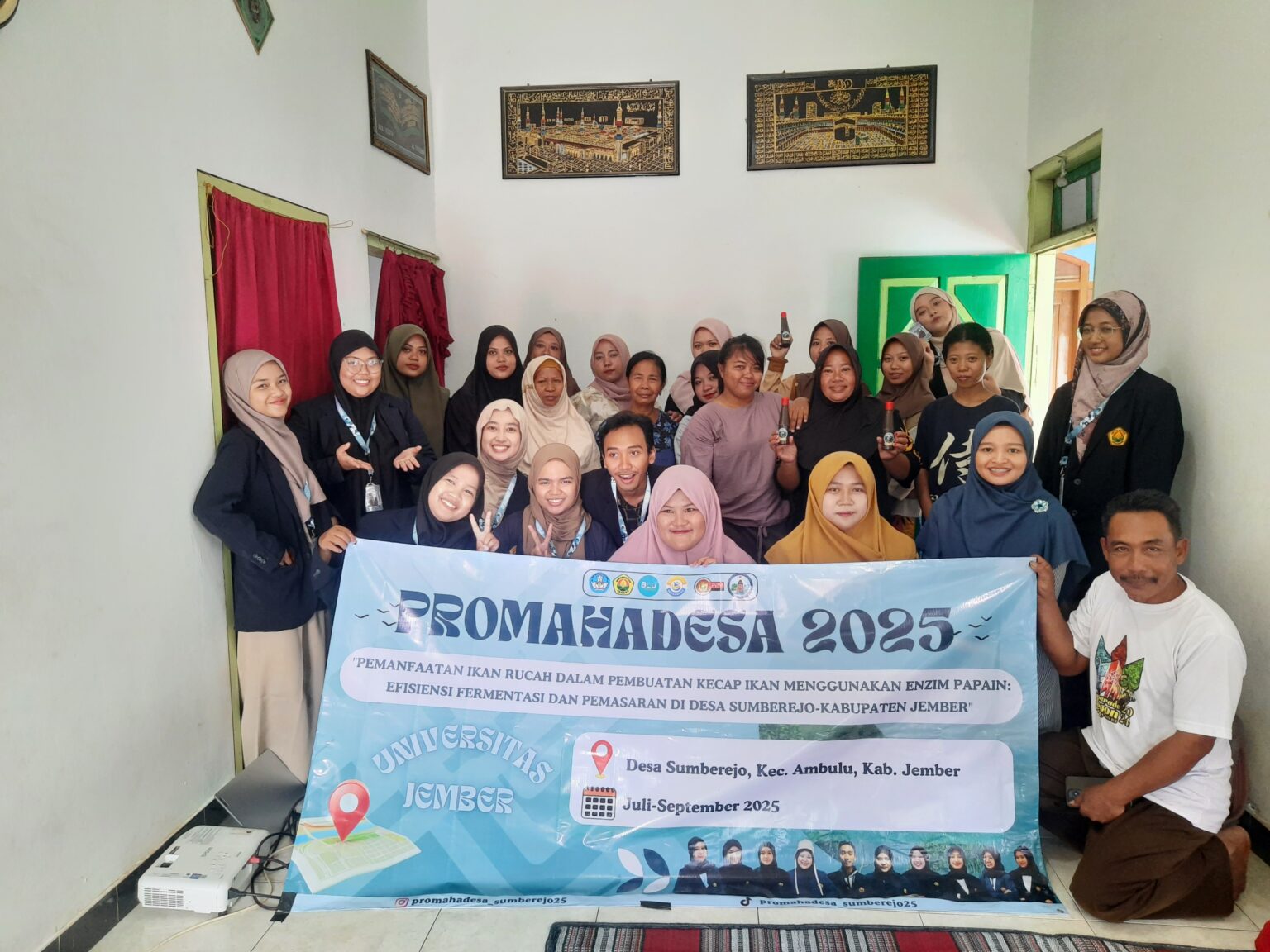
In addition to developing marine products, UNEJ students also introduced ways to utilize low-value fish through the Student Village Development Program (Promahadesa) in Sumberejo Village, Jember. In July 2025, the program focused on processing low-value fish, locally known as ikan rucah, into fish sauce using papain enzymes. The activities included community education on fish processing, packaging, product quality, and production-cost calculations. Residents also participated in practical fermentation activities, followed by filtering, seasoning, and packaging processes. This initiative introduced an alternative way to utilise fish that was previously often discarded or used as animal feed.
These three initiatives demonstrate UNEJ's involvement in strengthening the capacity of coastal and fishing communities through practical knowledge and skills development. By introducing fish processing techniques, product development, and marketing assistance, UNEJ helps residents explore opportunities to increase the economic value of local fisheries resources. These activities also encourage communities to make better use of available marine products and reduce the underutilisation of fish resources.
Reference:
14.2.3 Overfishing (community outreach)
Illegal fishing and unsustainable fishing practices threaten marine ecosystems, biodiversity, and the long-term sustainability of fisheries. To address challenges in Indonesia's marine sector, students from Universitas Jember (UNEJ) have introduced technological innovations to support marine surveillance and fishing activities. These initiatives demonstrate how technology can contribute to better fisheries management and the protection of marine resources.
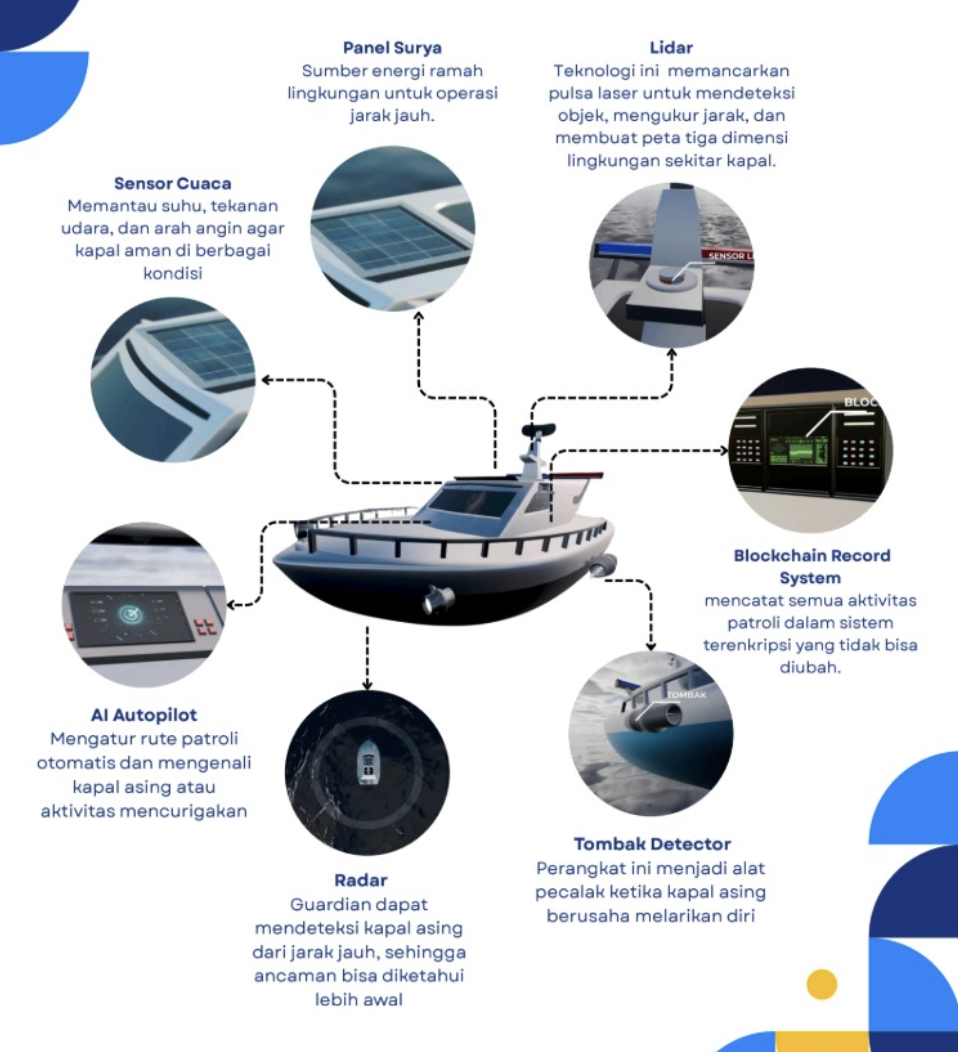
One of these innovations is Guardian of the Sea, an unmanned smart vessel developed by UNEJ students through the Student Creativity Program (PKM-VGK). The vessel is designed to monitor Indonesian waters using environmentally friendly technology. It is equipped with smart sensors, surveillance cameras, and artificial intelligence (AI) to monitor marine activities automatically. Its monitoring data can be transmitted in real time and stored using blockchain technology to support secure and transparent information management.
The vessel also uses solar panels as its main energy source, allowing it to operate with less dependence on fossil fuels. Although still at the conceptual stage, Guardian of the Sea has received intellectual property rights recognition. The student team hopes to develop the innovation further in collaboration with the Ministry of Marine Affairs and Fisheries and relevant research institutions. Through its monitoring capabilities, the vessel has the potential to support the detection of illegal fishing activities and strengthen efforts to protect marine ecosystems.

In addition to marine surveillance, UNEJ students have introduced technology to support more sustainable fishing activities. On November 24, 2025, BEM FEB UNEJ presented Fish Light, a lighting device designed to help fishers increase their catches through the Blueteck Empowerment programme in Seletreng Village, Situbondo. The technology is also introduced as an alternative to pukat harimau (trawl nets), which can damage marine ecosystems by catching non-target species and disturbing seabed habitats. By offering another fishing method, Fish Light has the potential to encourage fishing practices that are less harmful to marine biodiversity. However, its environmental benefits still depend on how the technology is used and whether fishing activities follow sustainable catch limits.
Together, Guardian of the Sea and Fish Light illustrate two different applications of technology in the fisheries sector: monitoring marine activities and supporting fishing productivity. While Guardian of the Sea may help identify illegal fishing, Fish Light focuses on improving fishing activities. When accompanied by sustainable fisheries management, effective monitoring, and responsible catch practices, these technological initiatives can contribute to the long-term protection of marine resources and biodiversity.
Evidence:
14.3.1 Conservation and sustainable utilisation of the oceans (events)

Protecting oceans and coastal ecosystems requires more than environmental policies; it also needs education, public awareness, and direct participation. Universities can contribute by organising events that encourage students and local communities to take part in conservation activities. Universitas Jember (UNEJ) supports these efforts through student-led environmental programmes and collaborations with local governments. These activities provide opportunities for people to learn about marine ecosystems while taking practical steps to protect coastal environments.
One example is AKAR ASA (Aksi Reboisasi Anak Bangsa), an environmental conservation event organised by SWAPENKA, a nature conservation student organisation at UNEJ’s Faculty of Humanities. Held on August 9–10, 2025, at Payangan Beach, Sumberejo Village, Ambulu District, Jember, the event focused on mangrove ecosystem conservation. Participants first watched a documentary about mangroves and joined educational discussions with environmental practitioners and community representatives. The discussions covered the role of mangroves in protecting coastlines from erosion, suitable locations for mangrove planting, and the importance of maintaining marine ecosystem balance. On the second day, participants attended a short workshop on planting techniques before taking part in a mangrove-planting activity. The event also involved student nature organisations from several UNEJ faculties and other universities, with HIMAFISI participating in support of the programme. Through education and practical activities, AKAR ASA encouraged young people to become more involved in protecting coastal ecosystems.
UNEJ also contributes to environmental conservation through collaboration with local governments. On November 19, 2025, UNEJ’s Institute for Research and Community Service (LP2M) worked with the Situbondo Regency Government to organise a mangrove-planting activity at Tanjung Batu Beach, Landangan Village, Kapongan District, Situbondo. The activity involved planting 500 mangrove seedlings and was part of the Mangrove Lestari programme and the Environmental Awareness School initiative. High school students also participated, allowing them to learn about the importance of protecting coastal environments. According to UNEJ’s LP2M, the planting location was selected based on research identifying the area as vulnerable to coastal erosion. The collaboration aimed not only to support coastal conservation but also to encourage environmental awareness among younger generations and local communities. It also formed part of broader efforts to develop environmentally based tourism in Situbondo.
These activities demonstrate UNEJ’s involvement in promoting ocean and coastal conservation through educational events, student participation, and institutional collaboration. AKAR ASA shows how student organisations can combine environmental discussions with direct conservation action, while the Situbondo programme highlights the role of universities and local governments in involving students and communities in coastal protection. By continuing to support such events, UNEJ can help strengthen public awareness and encourage shared responsibility for preserving marine and coastal ecosystems.
Evidence:
HIMAFISI Hadiri Kegiatan AKAR ASA: Edukasi, Aksi, dan Kebersamaan di Pantai Payangan - PSTF UNEJ
Situbondo gandeng LP2M Unej kembangkan pariwisata berbasis lingkungan - ANTARA News Jawa Timur
14.3.2 Food from aquatic ecosystems (policies)
Universitas Jember (UNEJ) has strengthened its commitment to sustainable food systems by implementing policies that promote responsible sourcing of fish and other aquatic products served on campus. Through its Sustainable Food Procurement Policy and a 2025 circular on food served within the university environment, UNEJ requires food suppliers and campus canteens to ensure aquatic food products are obtained through responsible, environmentally friendly practices.
Under the Sustainable Food Procurement Policy, UNEJ prioritizes fish and other aquatic products from capture fisheries and aquaculture activities that comply with applicable regulations and follow environmentally responsible practices. Suppliers are required to ensure that fish are obtained through fishing methods and aquaculture practices that do not damage aquatic ecosystems or threaten fish populations.
The policy also prohibits UNEJ from purchasing or serving protected fish species and species categorized as Critically Endangered, Endangered, or Vulnerable on the IUCN Red List. The policy specifically prohibits consuming belida fish and other protected fish species.
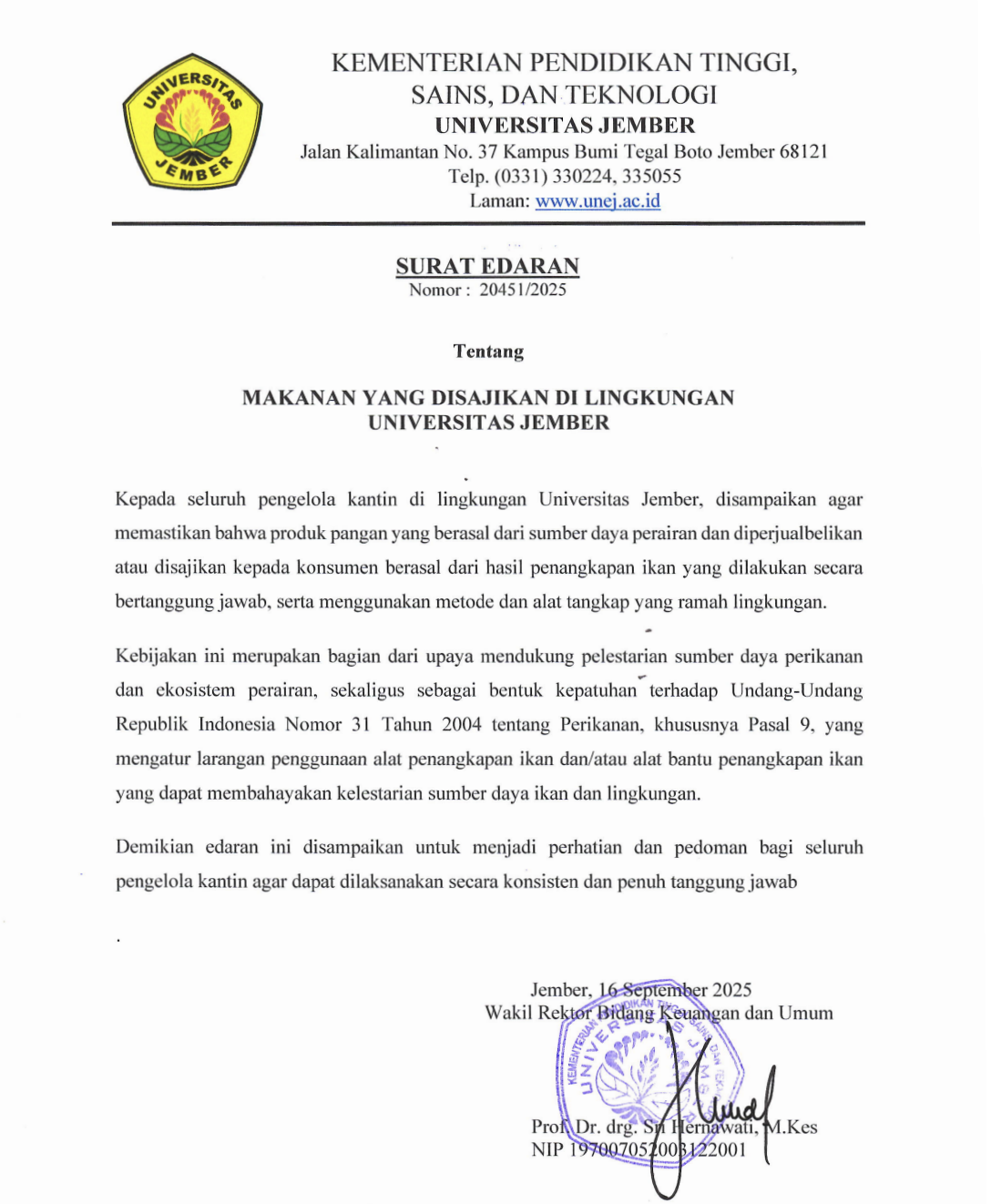
This commitment is reinforced through UNEJ Circular Letter Number 20451/2025 on Food Served in the Universitas Jember Environment. The circular instructs all campus canteen managers to ensure that aquatic food products sold or served to consumers come from responsible fishing activities and use environmentally friendly fishing methods and equipment.
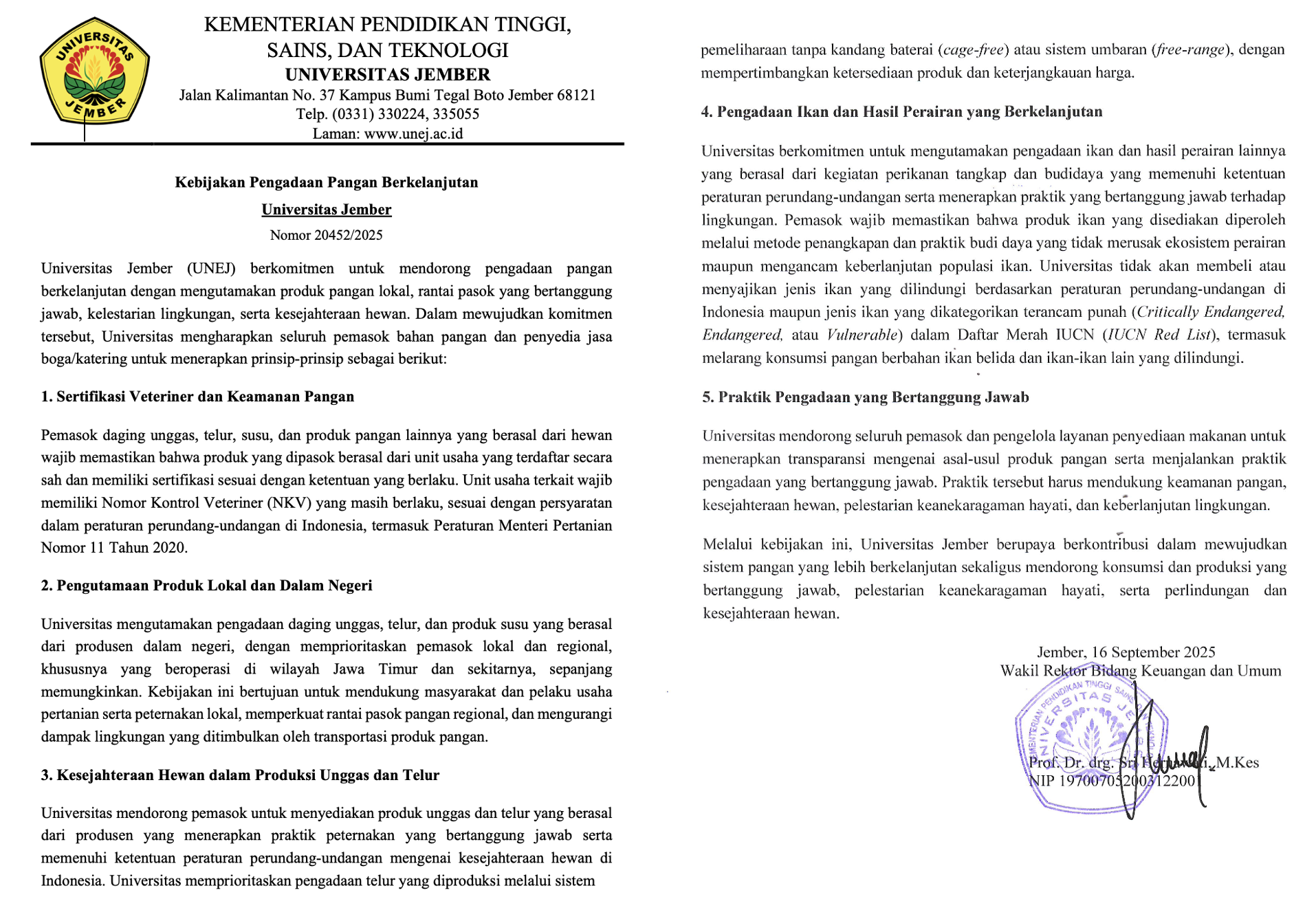
The circular also links the policy to the protection of fisheries resources and aquatic ecosystems. It refers to Law No. 31 of 2004 on Fisheries, particularly Article 9, which prohibits the use of fishing equipment or supporting equipment that can threaten the sustainability of fish resources and the environment.
Together, these policies provide a framework for ensuring that aquatic food consumed within the UNEJ campus is sourced more responsibly. The Sustainable Food Procurement Policy focuses on responsible procurement and biodiversity protection, while the 2025 circular provides specific guidance for campus canteens. Through these measures, UNEJ supports more sustainable consumption of food from aquatic ecosystems and helps protect aquatic resources and biodiversity.
14.3.3 Maintain ecosystems and their biodiversity (direct work)
Rivers are important ecosystems that support freshwater biodiversity and nearby communities. They provide habitats for various organisms and help maintain ecological balance. However, riverbank erosion can damage surrounding habitats, threaten biodiversity, and put nearby public facilities at risk. Universitas Jember (UNEJ) contributes to addressing this issue through community engagement and riverbank protection efforts along the Bedadung River in Jember.
In a community service programme published on June 23, 2025, four UNEJ researchers worked to help prevent riverbank erosion near SDIT Harapan Ummat, Islamic Centre Al-Ichlas Foundation. Changes in the river's flow caused strong currents to approach the educational facilities, increasing the risk of erosion and landslides. To address this problem, the team supported the construction of a 200-metre stone retaining wall along the riverbank. Activities included site surveys, community discussions, technical planning, and construction with local residents.
This initiative demonstrates UNEJ's direct involvement in protecting the Bedadung River's surrounding environment through erosion mitigation and community collaboration. Stabilising riverbanks can help reduce soil loss and maintain the physical conditions of river environments. This is also important for freshwater biodiversity because healthy riverbanks can support habitats for organisms living in and around rivers. Through research-based planning and community participation, UNEJ contributes to broader efforts to maintain river ecosystems and protect the communities that depend on them.
Evidence:
https://kiatjcd.com/ojs/index.php/kjcd/article/view/105 - Prof Indarto
14.3.4 Technologies towards aquatic ecosystem damage prevention (direct work)
Water pollution poses a serious threat to aquatic ecosystems and the organisms that depend on them. Industrial wastewater can contain harmful substances, including heavy metals and other pollutants. To address these challenges, Universitas Jember (UNEJ), through its Research Center for Biobased Chemical Product, develops research on environmentally friendly materials and wastewater-treatment technologies.
In 2025, UNEJ supported research on the use of Ulva sp., a type of green marine algae, to reduce chromium (Cr) in wastewater. Led by Bekti Palupi, the study was titled Kinetic Study of Chromium (Cr) Reduction in Ulva sp. after Wastewater Treatment using Coagulation and Flocculation Methods. Funded through the Thesis Reworking Grant scheme, the research investigated chromium reduction using coagulation and flocculation processes. This study explored the potential of marine algae as a material for addressing heavy metal pollution.
UNEJ researchers also investigated Photo-Fenton technology to treat coffee-processing wastewater in 2025. The method combines hydrogen peroxide, iron sulfate, and ultraviolet (UV) irradiation to reduce pollutants in wastewater. The published results showed reductions of 95.55% in suspended solids, 98.40% in turbidity, 93.97% in colour, and 72.47% in chemical oxygen demand (COD). These findings demonstrate the potential of advanced treatment technology to improve industrial wastewater quality before discharge.
In addition to wastewater treatment, UNEJ's research center listed projects on processing Ulva sp. into biosorbents and bioplastics. Biosorbents can capture certain pollutants from water, while bioplastics offer alternatives to conventional plastic materials. These projects explore how marine biomass can support pollution management and the development of more sustainable materials.
Through its research roadmap, the Research Center for Biobased Chemical Product aims to develop environmentally friendly products and technologies using agricultural, plantation, and fisheries resources. Its research covers bioprocesses, functional materials, and environmental applications. Further testing and practical implementation remain important to evaluate the effectiveness of these technologies under real-world conditions.
Through these research initiatives, UNEJ contributes to developing technological approaches to aquatic pollution prevention. By exploring algae-based materials and wastewater-treatment methods, the university supports scientific efforts to reduce environmental contamination and protect aquatic ecosystems.
References:
https://chemeng.teknik.unej.ac.id/research-center-for-biobased-chemical-product/
https://garuda.kemdiktisaintek.go.id/documents/detail/6282858
14.4.1 Water discharge guidelines and standards
Wastewater from daily activities can pollute rivers and other aquatic environments if it is not managed properly. To address this issue, Universitas Jember (UNEJ) has established Green Campus Standards that include requirements for liquid-waste management. These standards show the university's commitment to responsible environmental practices and support the goals of Sustainable Development Goal (SDG) 14: Life Below Water.
Under Standard GC-06 on Waste Management, UNEJ requires university leadership to establish a programme for managing liquid-waste disposal. The standard also assigns the university's environmental and disaster-management unit, which is part of the Institute for Research and Community Services (LP2M), responsibility for auditing liquid-waste disposal. These requirements provide a framework for managing wastewater and reviewing the university's waste-management practices.
Monitoring is an important part of responsible wastewater management. UNEJ's standards include provisions for auditing liquid-waste disposal and preparing an audit form to evaluate its management. Through these procedures, the university can identify areas that need improvement and strengthen accountability in handling wastewater.
The standards also state that liquid waste must be handled through appropriate technical processes, including downcycling or upcycling approaches. This requirement highlights the importance of managing waste responsibly rather than allowing it to become an uncontrolled source of environmental pollution. Proper treatment can help reduce the risk of harmful substances entering surrounding water systems.
In addition to waste management, UNEJ's Standard GC-07 focuses on water resource management. It requires the university to implement water conservation and water-reuse programmes, while LP2M is responsible for planning and evaluating these efforts. Together, the two standards address both wastewater management and the responsible use of water resources.
Through its Green Campus Standards, UNEJ provides an institutional framework to improve wastewater management and protect the environment. Clear responsibilities, technical waste handling, and regular audits can support more responsible practices. Consistent implementation and monitoring are important to ensure that these policies contribute to cleaner water and healthier aquatic ecosystems.
Reference:
14.4.2 Action plan to reducing plastic waste
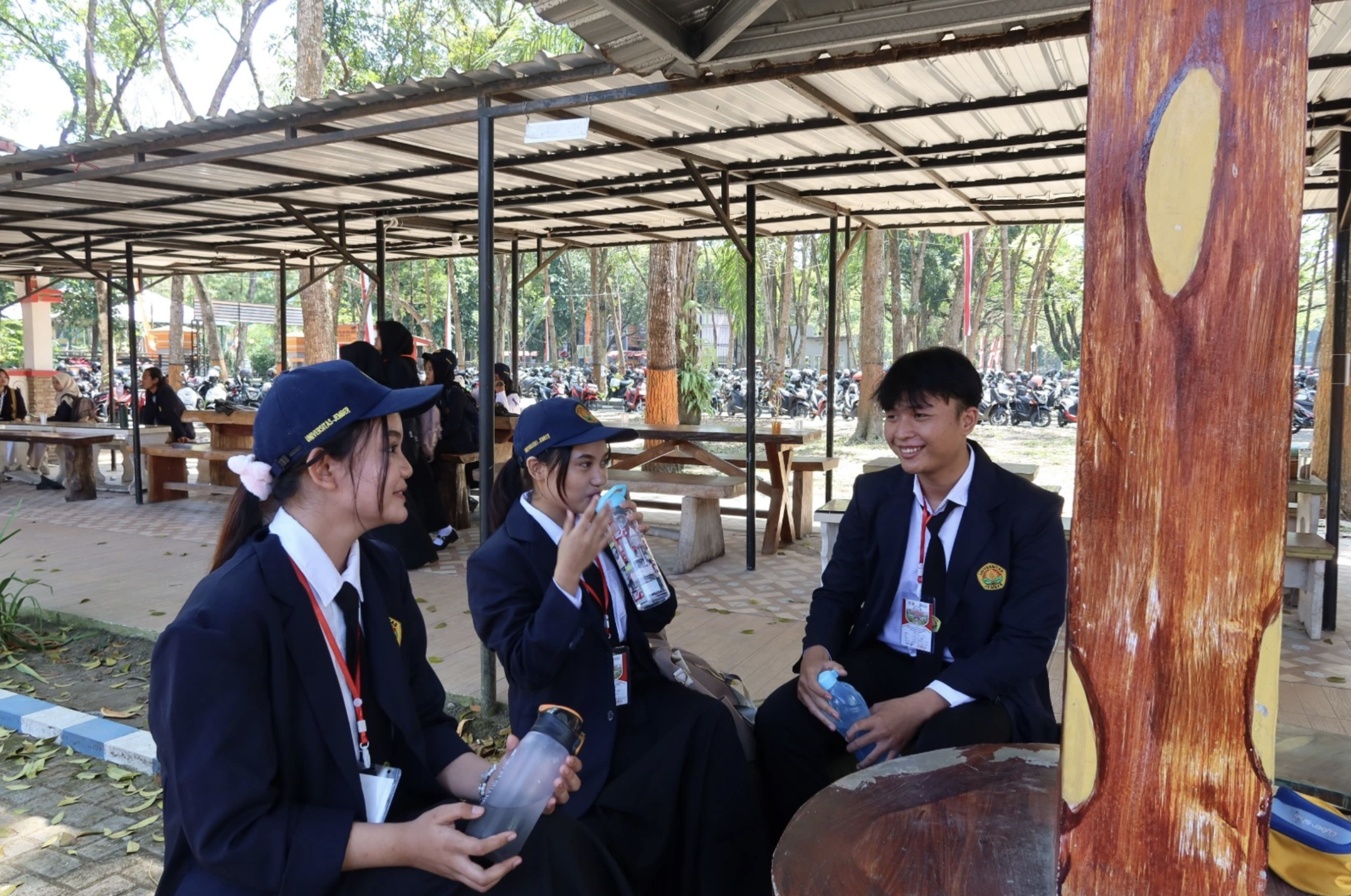
Plastic waste is a major environmental problem because it can enter rivers and oceans and harm aquatic life. To help reduce this problem, Universitas Jember (UNEJ) encourages students to adopt more environmentally friendly habits through its Green Campus initiative. One effort is encouraging students to bring reusable drinking bottles instead of single-use plastic bottles, supporting Sustainable Development Goal (SDG) 14: Life Below Water.
During the Student Orientation Programme (PKKMB), new UNEJ students, known as Aruna, were required to bring their own 600 ml drinking bottles during classroom sessions. This initiative aimed to reduce the use of disposable plastic bottles and introduce students to sustainable habits from the beginning of their university life.
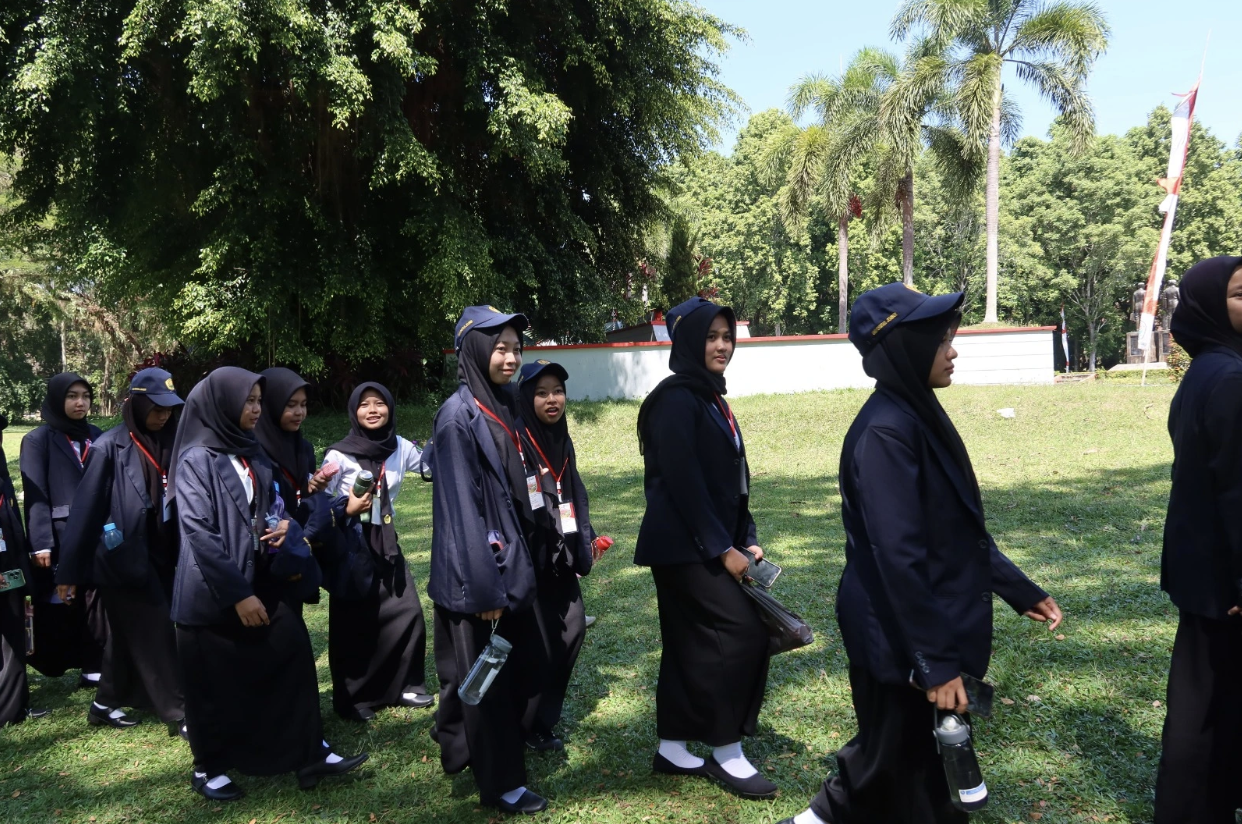
Beyond reducing plastic use during orientation, the programme also encouraged students to take greater responsibility for the environment. Bringing a personal bottle is a simple action that students can continue in their daily activities on campus. By practising this habit, they can also inspire their friends and families to reduce their use of single-use plastics.
Reducing plastic bottle consumption is important because plastic waste can reach rivers and oceans if it is not properly managed. This waste can threaten marine animals and damage aquatic habitats. Replacing disposable bottles with reusable ones can help prevent plastic waste at its source and support broader efforts to protect aquatic ecosystems.
To strengthen this initiative, UNEJ could encourage the continued use of reusable bottles across campus, provide accessible drinking-water refill stations, and conduct regular environmental education activities. Monitoring the amount of plastic waste generated on campus could also help evaluate whether these efforts are effective in reducing disposable bottle use.
Through this initiative, UNEJ shows how small changes in students' daily habits can support environmental protection. Continued action, supported by effective facilities and waste monitoring, can help build a more sustainable campus and contribute to the long-term goal of reducing plastic pollution in aquatic environments.
Reference:
14.4.3 Reducing marine pollution (policy)
Plastic pollution is a serious environmental problem because plastic waste can remain in nature for a long time and threaten aquatic ecosystems. To support environmental protection, Universitas Jember (UNEJ) has established Green Campus standards, introduced activities to reduce single-use plastic, and supported research into environmentally friendly materials and marine waste management. These efforts show how campus policies, daily practices, and technological innovation can contribute to reducing plastic pollution.
UNEJ’s commitment to waste reduction is reflected in its Green Campus Standards, particularly Standard GC-06 on waste management. The document requires university leaders to establish waste recycling programs, reduce paper and plastic use on campus, and manage organic and inorganic waste. It also addresses liquid-waste disposal and related audits. These requirements provide an institutional foundation for improving waste management and reducing pollution, although the document does not specifically establish a marine-pollution policy.
As one practical effort, UNEJ required new students, known as Aruna, to bring their own 600-milliliter reusable bottles during classroom activities for Campus Life Introduction Program (PKKMB). The initiative aimed to reduce the use of single-use plastic bottles and encourage students to develop environmentally friendly habits. By introducing this practice to new students, the university also hoped to build greater environmental awareness within the campus community.
Research and material development also contribute to UNEJ’s efforts to reduce plastic waste. In November, ANTARA reported that UNEJ engineering lecturer Dr. M. Asrofi had developed biocomposite materials using waste mango seeds as an alternative for food packaging. He also developed prototypes of paper and cardboard from sugarcane bagasse and empty oil-palm fruit bunches. These materials could provide alternatives to conventional plastic packaging while making use of agricultural waste.
In another innovation, UNEJ students proposed an autonomous vessel powered by artificial intelligence (AI) to help address plastic pollution in the sea. Reported in September, the concept is designed to detect, collect, and sort marine plastic waste before processing suitable plastic through pyrolysis to produce oil and gas for energy. The team hopes to develop the idea further through research and prototype development. However, the vessel remains a proposed innovation rather than a confirmed operational waste-collection system.
Through its Green Campus standards, reusable-bottle initiative, environmentally friendly material research, and proposed marine-cleanup technology, UNEJ demonstrates several approaches to addressing plastic waste. Although these activities do not by themselves prove that marine pollution has been reduced, they reflect institutional efforts to prevent waste, encourage more sustainable practices, and explore new solutions. Continued implementation and further development of these initiatives could strengthen UNEJ’s contribution to environmental protection and the broader goals of SDG 14: Life Below Water.
References:
14.5.1 Minimizing alteration of aquatic ecosystems (plan)
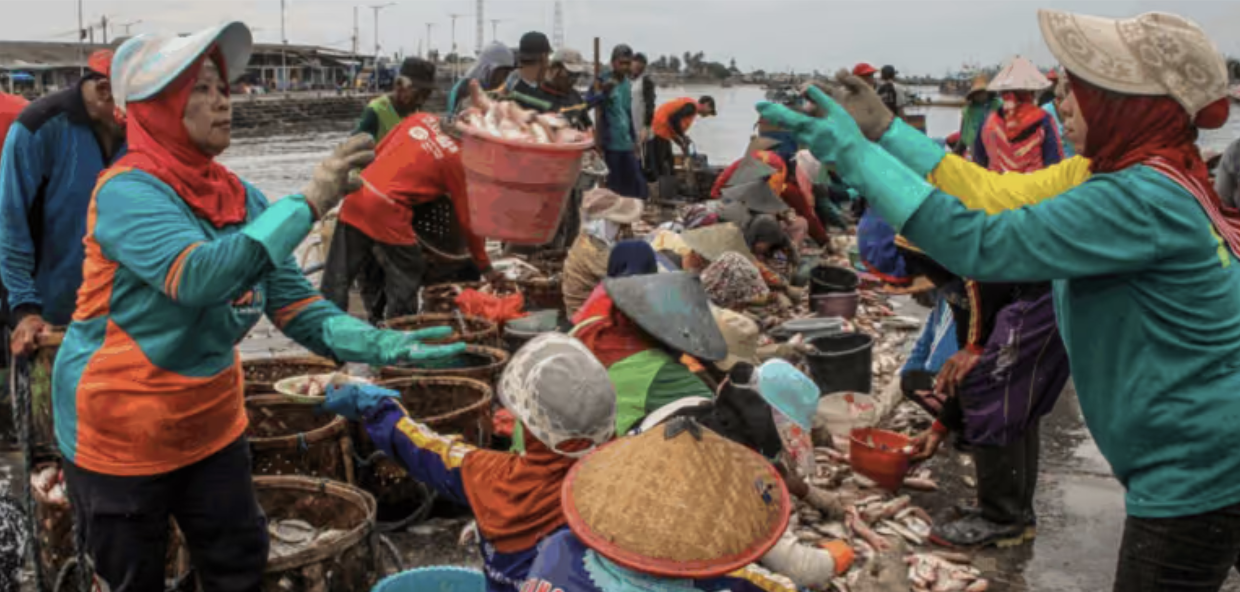
Coastal ecosystems play an important role in supporting aquatic biodiversity and maintaining environmental balance. However, coastal pollution, poor waste management, and habitat degradation can threaten marine habitats and aquatic life. To address these challenges, Universitas Jember (UNEJ) contributes to coastal ecosystem protection through environmental research, mangrove conservation, and community engagement. These initiatives support efforts to minimise human-induced changes to aquatic ecosystems in line with Sustainable Development Goal (SDG) 14: Life Below Water.
Through its Faculty of Public Health (FKM), UNEJ conducted collaborative research with Universitas Airlangga to examine the relationship between waste-management policies and the attitudes and behaviours of coastal communities in Puger Kulon, Jember. The study aimed to understand how local policies and community practices influence waste management in coastal areas.
The research found that more than 75% of residents had good knowledge and attitudes toward waste management. However, fewer than 65% demonstrated appropriate waste-management behaviour. These findings indicate that public awareness alone may not be sufficient to address coastal waste problems. Communities also need effective waste-management systems and institutional support to translate their knowledge into appropriate practices.
The researchers identified several challenges, including limited funding, insufficient community support, and weak enforcement of waste-management policies. These findings can help policymakers develop better coastal waste-management strategies by improving local regulations, strengthening government support, and monitoring waste-management practices. Such measures could help reduce coastal pollution and protect marine habitats.
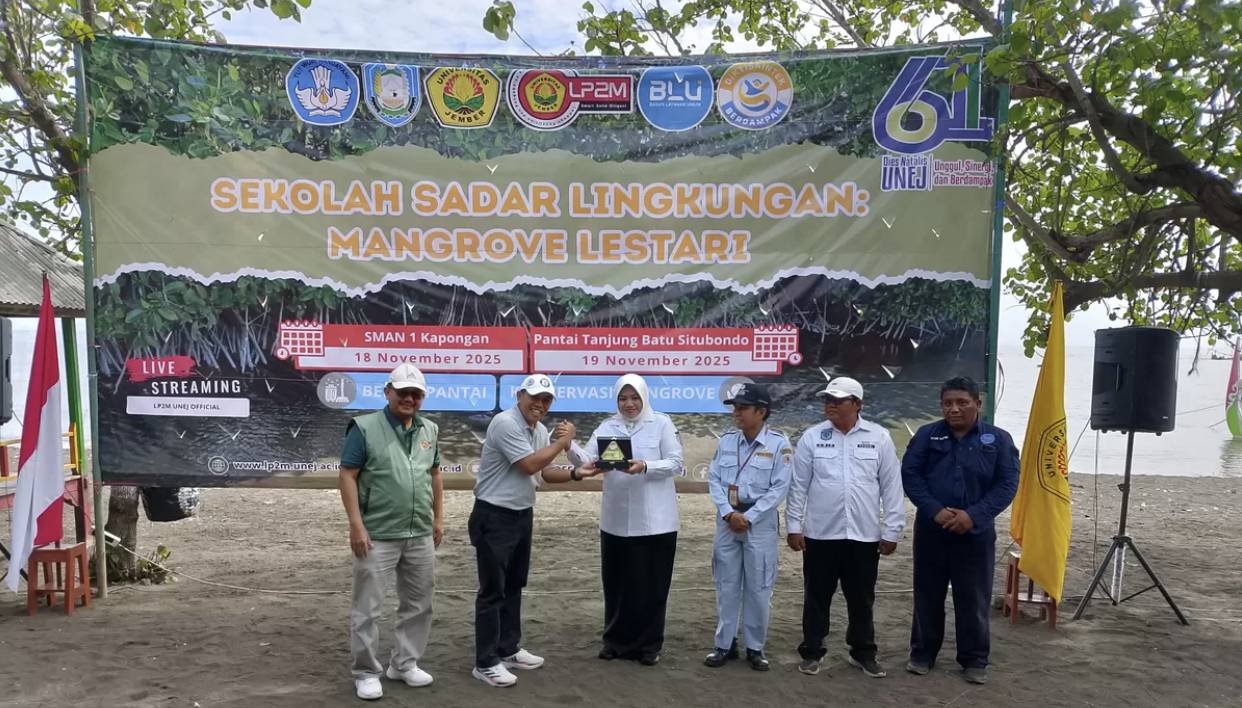
Beyond environmental research, UNEJ also contributes directly to coastal ecosystem conservation through mangrove restoration and environmental education. On November 19, 2025, UNEJ's Institute for Research and Community Service (LPPM) collaborated with the Situbondo Regency Government through the Sekolah Sadar Lingkungan Mangrove Lestari programme at Tanjung Batu Beach, Landangan Village, Situbondo. The programme included planting Rhizophora mangroves, locally known as tancang, to support coastal conservation in an area vulnerable to erosion and abrasion. It also promoted environmental awareness through educational activities for children and local communities. This collaboration demonstrates UNEJ's involvement in maintaining coastal habitats through conservation activities and community participation.
Through its research and community programmes, UNEJ contributes to efforts to protect coastal ecosystems from environmental pressures. Research on coastal waste management provides information that can support better environmental policies, while mangrove conservation activities demonstrate practical efforts to maintain coastal habitats. Cooperation between universities, local governments, and communities is important for developing effective and sustainable conservation strategies. Continued monitoring, community participation, and long-term conservation planning are necessary to maintain healthy aquatic ecosystems and protect their biodiversity.
References:
14.5.2 Monitoring the health of aquatic ecosystems
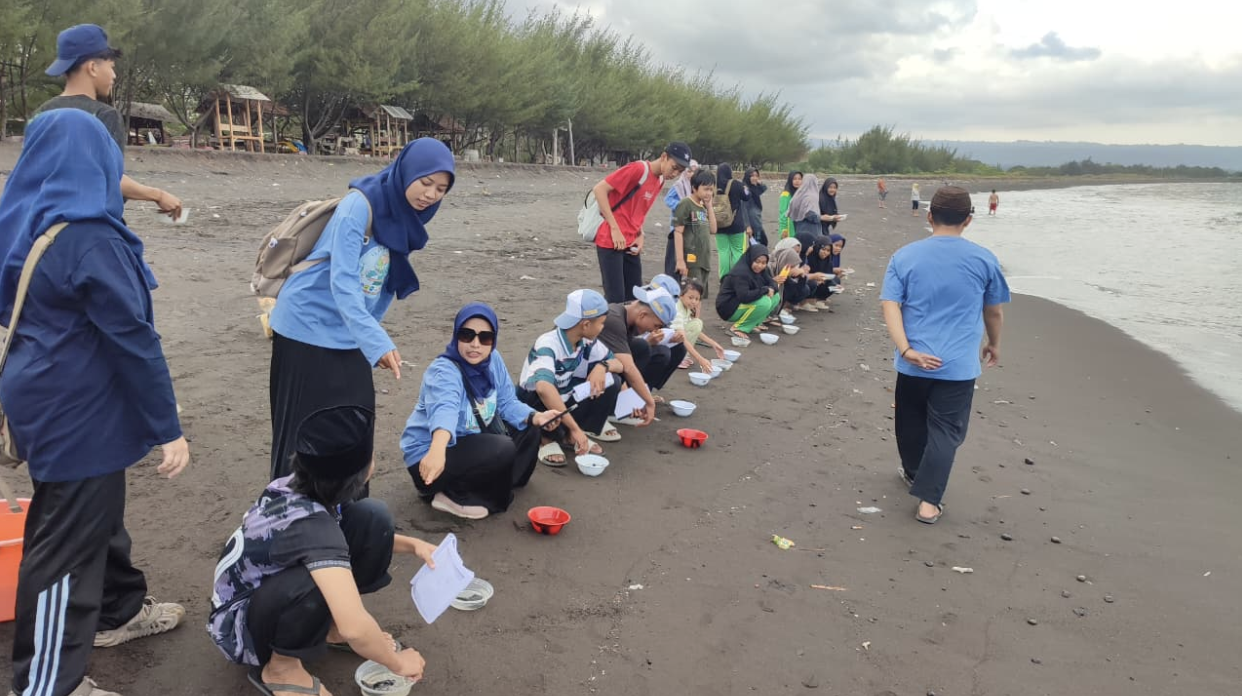
Monitoring aquatic ecosystems is essential to identifying pollution and protecting water resources. Universitas Jember (UNEJ) contributes to this effort through scientific research on microplastic contamination and educational facilities that introduce students to marine ecosystems.
In 2025, UNEJ researchers studied microplastic contamination in the Bedadung River and two drinking water treatment plants in Jember. They collected water samples from seven points and analysed the abundance, size, and types of microplastics. The study found that microplastic concentrations in the river reached 1,179 particles per litre during the rainy season. These findings provide information about water pollution and the condition of local aquatic environments.
UNEJ also supports aquatic ecosystem education through a Mini Marine Ecosystem Laboratory provided to MA Unggulan Al-Anwari in Banyuwangi in December 2025. Developed through collaboration between the Faculty of Engineering and the Faculty of Teacher Training and Education, the facility supports practical learning activities, including water-quality simulations, coastal vegetation identification, and marine organism observation.
Through environmental research and educational facilities, UNEJ contributes to improving knowledge of aquatic ecosystem conditions. These initiatives also encourage greater awareness of water pollution and the importance of protecting aquatic environments.
References:
14.5.3. Programmes towards good aquatic stewardship practices
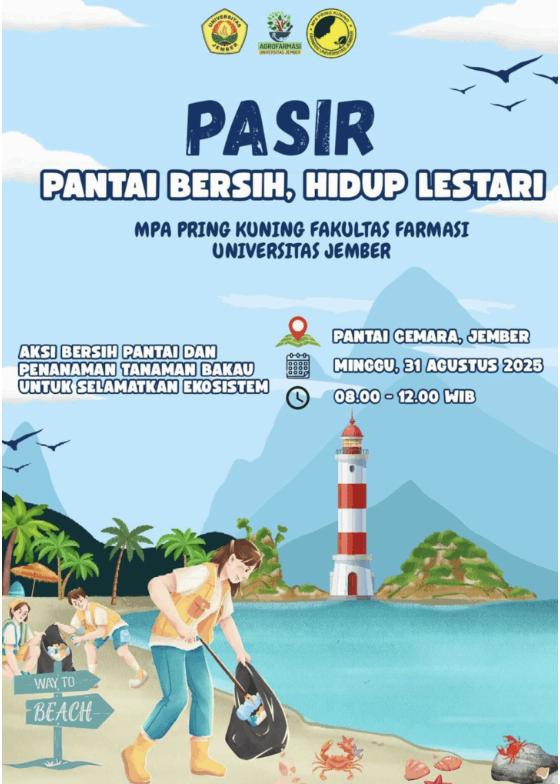
Universitas Jember (UNEJ) supports environmental conservation through student-led activities. One example is UKMPA Pring Kuning, a nature-lover student organization at the Faculty of Pharmacy. Its coastal conservation activities support Sustainable Development Goal (SDG) 14, which focuses on protecting life below water.
On August 31, 2025, UKMPA Pring Kuning held a beach clean-up activity at Pantai Payangan, Jember. The programme involved 25 members of UKMPA Pring Kuning and 15 volunteers. This activity aimed to help reduce coastal waste and encourage students to care more about the environment.
In addition to cleaning the beach, the students also planted mangroves. Mangroves play an important role in protecting coastlines from erosion and providing habitats for marine organisms. This activity helped introduce students to practical ways of protecting coastal ecosystems.
These activities show how UNEJ students can contribute to good aquatic stewardship practices. Beach cleaning helps maintain coastal cleanliness, while mangrove planting supports the protection of marine habitats. Both activities are relevant to SDG 14 because they encourage people to take responsibility for the health of aquatic environments.
In conclusion, UNEJ's student-led conservation activities show that small actions can support environmental protection. By involving students and volunteers, these programmes can raise awareness of coastal conservation and encourage more responsible environmental practices in the future.
Reference:
14.5.4. Collaboration for shared aquatic ecosystems
Healthy marine and coastal ecosystems are essential for biodiversity, local livelihoods, and environmental sustainability. However, coral reef damage and coastal degradation threaten marine life and the communities that depend on these environments. Recognising the importance of collective action, Universitas Jember (UNEJ) collaborates with government agencies, private partners, local communities, and educational institutions through various conservation and environmental education initiatives.
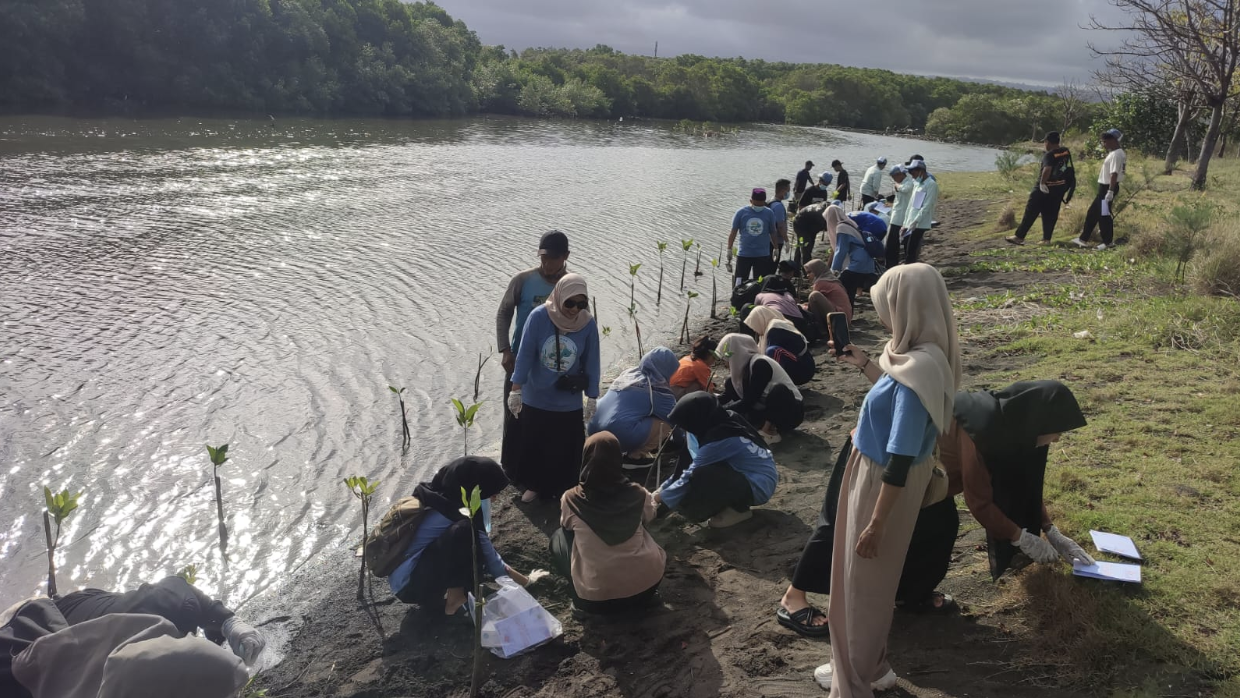
One example is UNEJ's collaboration with the Situbondo Regency Government and local-communitty to restore coastal ecosystems through mangrove conservation. On November 19, 2025, UNEJ's Institute for Research and Community Service (LP2M) and the local government planted 500 mangrove seedlings at Tanjung Batu Beach, Landangan Village, Situbondo. The activity also involved environmental education for local residents and students. The planting site was selected based on research identifying its vulnerability to coastal erosion and other environmental hazards. Through this partnership, both institutions aimed to strengthen coastal protection and promote conservation-based ecotourism while considering the needs of local fishing communities.
UNEJ also works with educational institutions to encourage younger generations to participate in marine conservation. Through its Faculty of Engineering and Faculty of Teacher Training and Education, UNEJ collaborated with MA Unggulan Al-Anwari in Banyuwangi through the Sekolah Santri Maritim (SENTRIMAR) programme in 2025. As part of this initiative, the team provided a Mini Marine Ecosystem Laboratory to support practical learning activities, including coastal vegetation identification, water-quality simulations, and marine organism observation. The programme also involved mangrove and sea pandan planting, plant-growth monitoring, beach clean-ups, and the release of turtle hatchlings at Pulau Santen Beach. These activities connected classroom learning with direct environmental action, allowing students to understand and participate in coastal conservation.
Together, these initiatives demonstrate how UNEJ engages different stakeholders in protecting marine and coastal environments. Collaboration with local government supports ecosystem restoration, while partnerships with educational institutions encourage environmental knowledge and community participation. Although these programmes address different aspects of conservation, they share a common goal of protecting aquatic ecosystems and the livelihoods connected to them.
Through mangrove restoration, marine education, and community involvement, UNEJ contributes to the conservation of coastal ecosystems. Sustaining these efforts requires continued cooperation, environmental monitoring, and active participation from relevant stakeholders. These initiatives support the broader objectives of Sustainable Development Goal 14, Life Below Water, by promoting shared responsibility for marine and coastal protection.
References:
14.5.5. Watershed management strategy
Watershed management plays an important role in protecting water resources, maintaining environmental balance, and supporting communities that depend on rivers and surrounding ecosystems. Universitas Jember (UNEJ) contributes to these efforts through environmental research, spatial planning, and collaboration with local institutions.
In 2025, UNEJ researchers studied groundwater potential in the Bedadung Watershed. They analysed 136 spring locations using remote sensing and Geographic Information Systems (GIS). The research examined environmental factors related to groundwater distribution and produced a map of potential water sources. These findings can support future water conservation and watershed planning.
UNEJ also strengthened environmental collaboration through a partnership between its Faculty of Mathematics and Natural Sciences (FMIPA) and the East Java Regional Forestry Service Branch in Jember. The partnership, signed on February 21, 2025, covers forest monitoring, biodiversity research, remote sensing, and community empowerment. It also includes plans for forest restoration and training for forest farmer groups. These activities can support the management of forest areas that contribute to the sustainability of surrounding watersheds.
In another initiative, UNEJ students from the Urban and Regional Planning Study Programme developed a disaster-mitigation model for the Mount Ijen Disaster-Prone Area, which covers Bondowoso, Banyuwangi, and Situbondo. Published on October 17, 2025, the research combined spatial data analysis, field surveys, drone imagery, and handheld GPS to identify villages with high levels of social vulnerability. The students also examined local settlement patterns, adaptive land use, and traditional practices that support community preparedness. The findings are expected to provide an initial basis for developing more inclusive disaster-mitigation strategies. Although this project focuses on volcanic-disaster preparedness rather than watershed management directly, it demonstrates UNEJ's contribution to spatial planning and community resilience in environmentally vulnerable areas.
Through groundwater research, forestry collaboration, and spatial-based community research, UNEJ contributes to broader efforts to support environmental planning and conservation. These initiatives provide knowledge and cooperation that can help strengthen the sustainable management of natural resources in the region.
References: